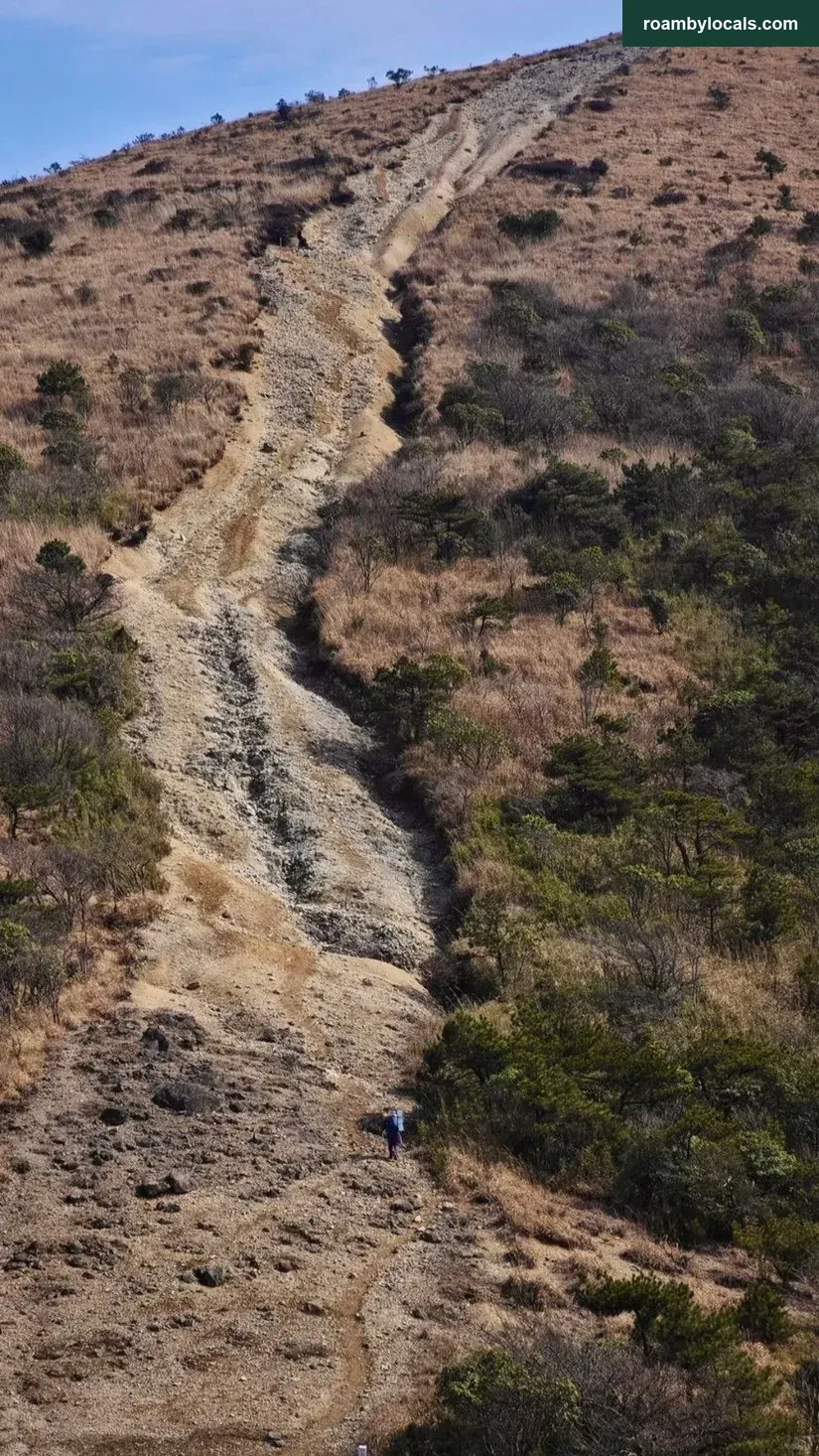
The Qianba route
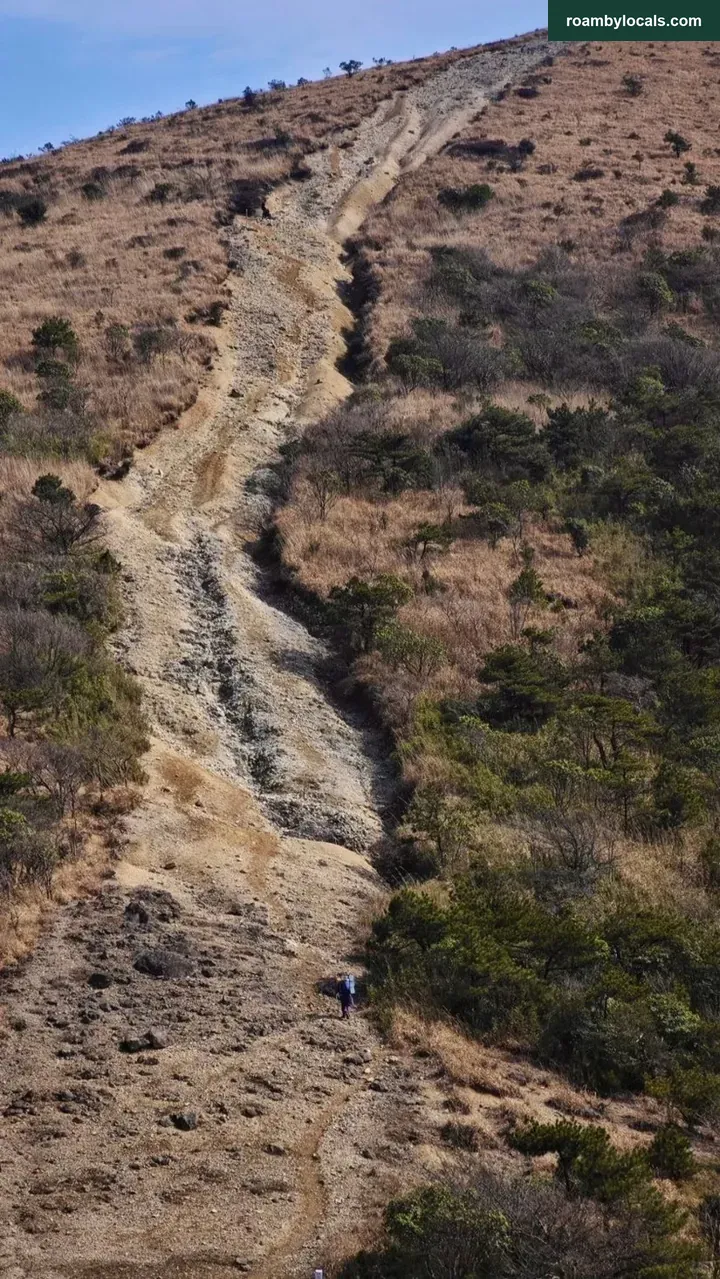
The Qianba route lies in Longquan and Qingyuan, within Lishui, Zhejiang. Its name comes from linking 11 peaks above 1800 metres, including Huangmaojian, the highest peak in Jiangsu and Zhejiang at 1929 metres. Outdoor enthusiasts call it ‘eastern China’s toughest ordeal’, and many hikers regard it as their ‘graduation route’.
Route overview and difficulty
Total distance: the classic traverse is about 45-50 kilometres. The original 11-peak traverse was around 80 kilometres, but restrictions in the Baishanzu reserve mean most walkers now take the 8-9-peak highlights section.
Cumulative ascent: approximately 3000-4000 metres.
Difficulty: advanced or hardcore. The route mainly consists of continuous steps, ridge firebreaks and gravel descents, placing extreme demands on fitness and knees. Beginners are not advised to go alone.
Best seasons: April–May and October–November. Summer brings thunderstorms and intense sun, while winter is icy and slippery; neither is recommended.
Classic itinerary: 2 days and 1 night
This is most hikers’ preferred option, with moderate intensity and no retracing of the route. It can be done with a light or full camping load.
Day 1: Renkeng Village/Cukeng Village → Fengyangshan → Lüye Mountain Lodge → Huangmaojian → Fengyang Lake
Distance and ascent: about 15-20km and 2000m of ascent, taking 8-10 hours.
Trail conditions: continuous steep slopes and steps right from the start use a great deal of energy. Lüye Mountain Lodge is the only commercial resupply point on the route, selling water and hot food. After summiting Huangmaojian, descend to Fengyang Lake to camp or rest.
Campsite: Fengyang Lake has public toilets and spring water, which needs filtering. It is an important place for replenishing supplies and camping.
Day 2: Fengyang Lake → Shaoxiangyan → Datiantang → Nanxi Village
Distance and ascent: about 16-19km and 1000m of ascent, taking 7-9 hours.
Trail conditions: today is a feast of ridge firebreaks, with punishing ups and downs. Shaoxiangyan and Datiantang have steeper slopes and many gravel sections. Beyond Datiantang comes a continuous steep descent of almost 4 kilometres, severely testing the knees.
Finish: on reaching Nanxi Village, arrange a chartered vehicle back to town, or stay at a guesthouse to eat and rest.
Relaxed version: three days and two nights
This version suits those who want more time for the scenery.
Day 1: Renkeng/Cukeng → Fengyangshan → Huangmaojian → Fengyang Lake, camping or staying at a Maliandai guesthouse.
Day 2: Fengyang Lake → Shaoxiangyan → Datiantang → Nanxi Village, staying in a village guesthouse and enjoying a hot farmhouse meal.
Day 3: Nanxi Village → Baishanzu Town, about 11km with 700m of ascent, mostly roads and boardwalks and relatively easy.
Note: Baishanzu’s core scenic area is currently an ecological protection zone and entry is strictly prohibited. Descend to Baishanzu Town on the outer road; do not cross into the restricted area.
Transport and accommodation
Getting there
High-speed rail: take a train to Longquan Station.
Outbound transfer: charter a vehicle from central Longquan to Renkeng or Cukeng, about 1 hour and roughly RMB 100 per vehicle. Cukeng is recommended as a start because the trail conditions are relatively better.
Return transfer: charter a vehicle from Nanxi Village or Baishanzu Town back to Longquan. From Nanxi, it costs about RMB 300 per vehicle. The winding mountain road can cause travel sickness, so bring motion-sickness medicine.
Accommodation along the route
Maliandai: the main midway accommodation point. Few residents live here permanently, so book ahead. It is about RMB 120 per person, including breakfast and dinner. Facilities are simple, but hot showers are available.
Nanxi Village: more guesthouses are available, including Qianba Guesthouse and Ouyuan Farmstay. Conditions are relatively better, also around RMB 120 per person including meals.
Fengyang Lake: suitable for carrying camping equipment; there is water and a toilet, but no commercial accommodation.
Equipment, water, food and clothing
Essential equipment
Two trekking poles: with Qianba’s large ascents and repeated ups and downs, two poles can save 40% of your energy and protect your knees.
Knee supports: continuous descents and gravel are hard on the knees, so strong supportive knee braces are essential.
Slip-resistant hiking boots: most of the route is steps and gravel. Overly stiff soles or poor grip make it very uncomfortable.
Headlamp and power bank: darkness comes early, and some sections may be walked in the dark. A fully charged headlamp is essential.
Offline track: many sections have no reception. Download a track in an app such as Liangbulu in advance, searching for ‘Qianba three-day full-load route’.
Water and food
Water: streams are available along the first day’s route; bring a filter if needed. There is no water source anywhere on the second day, so fill up at Fengyang Lake or Maliandai with at least 2.5L-3L before setting out.
Food: Lüye Mountain Lodge sells snacks and drinks. Bring high-energy trail food such as energy gels, beef jerky, nuts and chocolate, eating smaller amounts more often.
Clothing
Upper body: a long-sleeved quick-drying shirt against scratches and sun, plus a windproof shell for strong summit winds and changeable weather.
Lower body: long trousers are essential against vegetation scratches, preferably in abrasion-resistant material.
Other items: insect repellent, sunscreen, sunglasses and a hat.
Key safety precautions
Do not go alone: Qianba is a strenuous, advanced route, with numerous junctions and no signal in places. Go with companions or an organised group.
Weather warnings: mountain weather changes quickly. Check the forecast before leaving. Stop the trip immediately in heavy rain, strong wind, thick fog or other severe weather. Gravel becomes extremely slippery in rain; do not enter the mountains in these conditions.
Pacing: do not charge ahead at the start. Keep a steady pace on the early big climbs and save energy for the repeated ups and downs in the middle. If you feel unwell, for example heart discomfort or dizziness, descend decisively rather than pushing through.
Leave no trace: bring rubbish bags and carry all your waste out of the mountains to protect the fragile environment. (Author: 九华月)