An early start for the Summer Palace
Sunday, 9 April. We visited the Summer Palace by day and listened to crosstalk at Deyunshe in the evening. Our son spent another whole day with us.
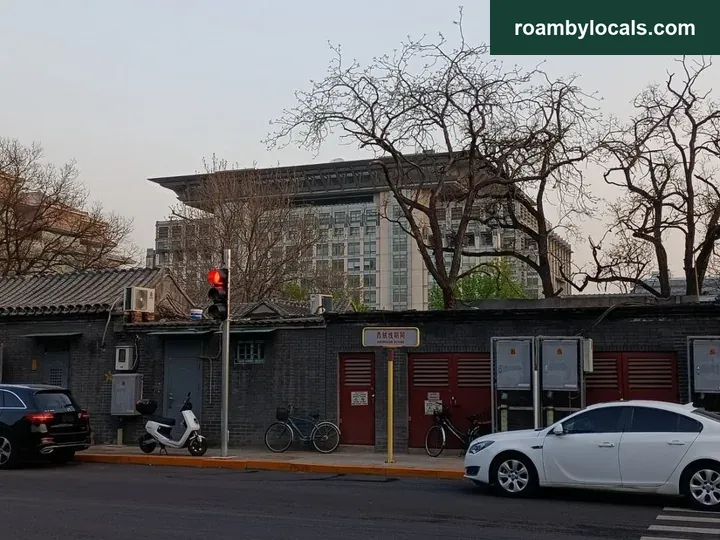
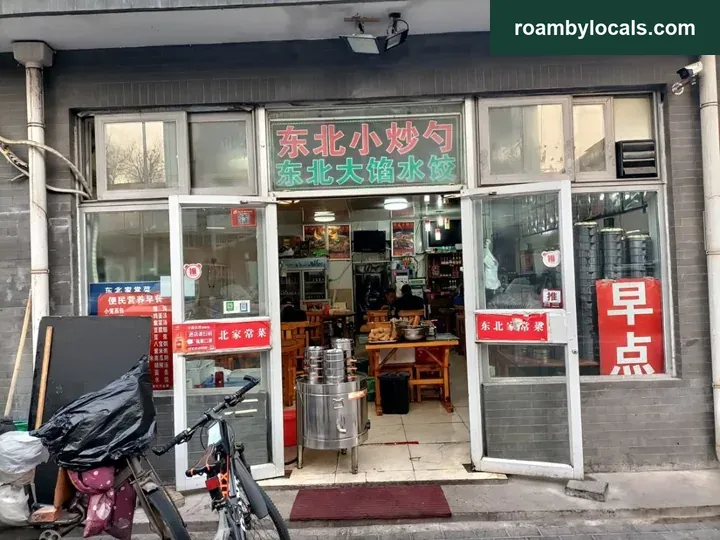
We needed an early start for the Summer Palace again. That was why our son had not gone home the night before, staying with us instead. After getting up, I went out for my usual morning stroll and planned to buy food and fruit for lunch. The Summer Palace is large: a morning is not enough to see it, and there would be nowhere to eat at midday. But the food market or shop I had seen the previous morning did not open until 8. I could only buy breakfast for our son next door and take it back to the hotel.
The morning stroll.
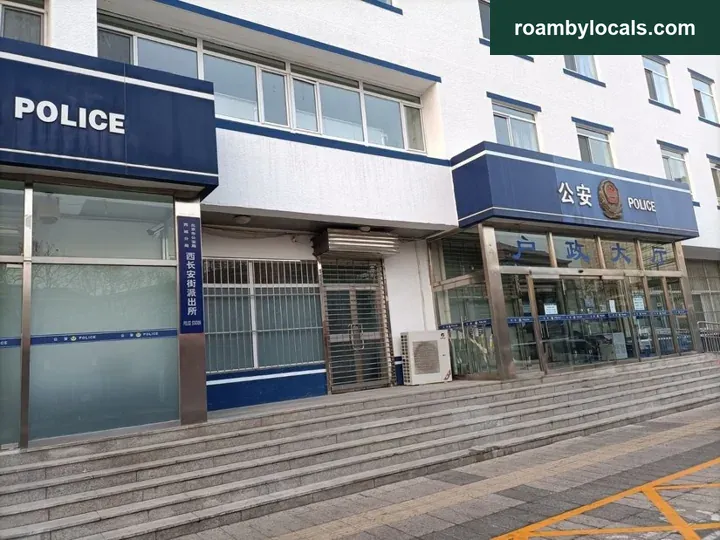
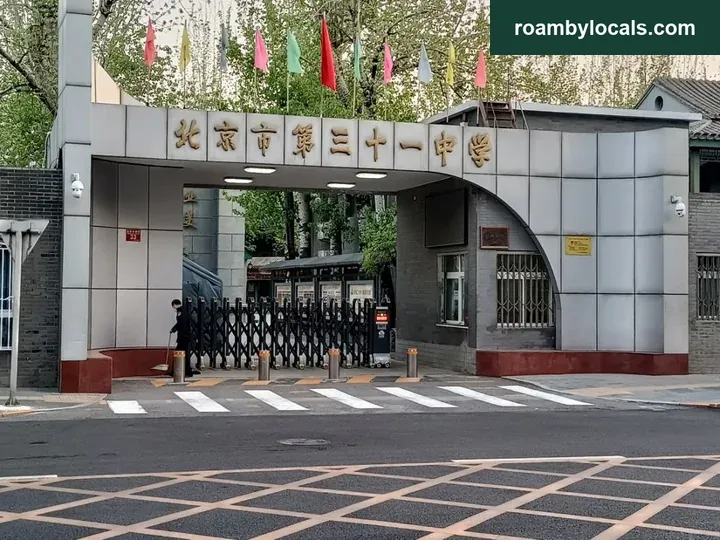
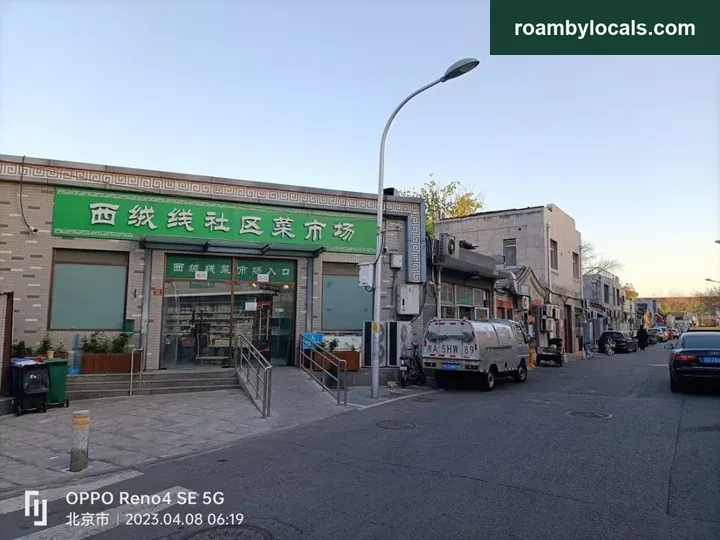
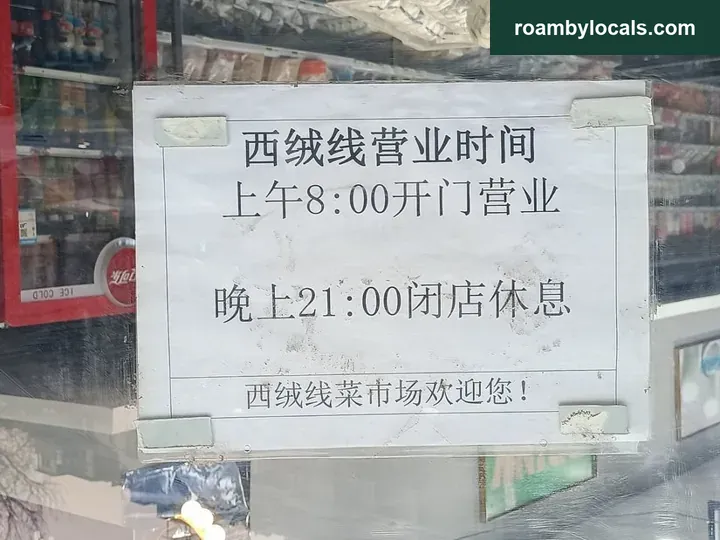
I bought breakfast here.
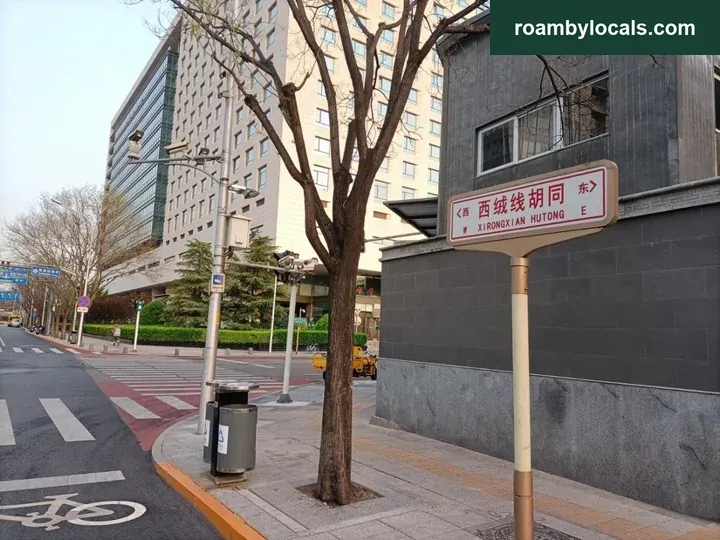
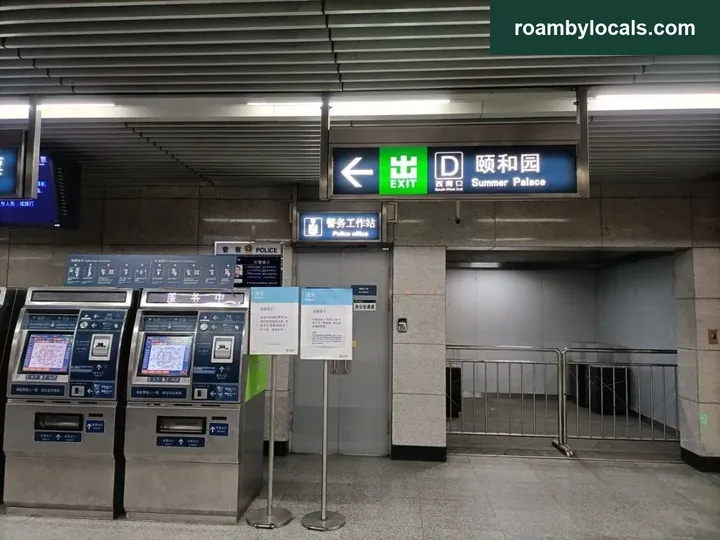
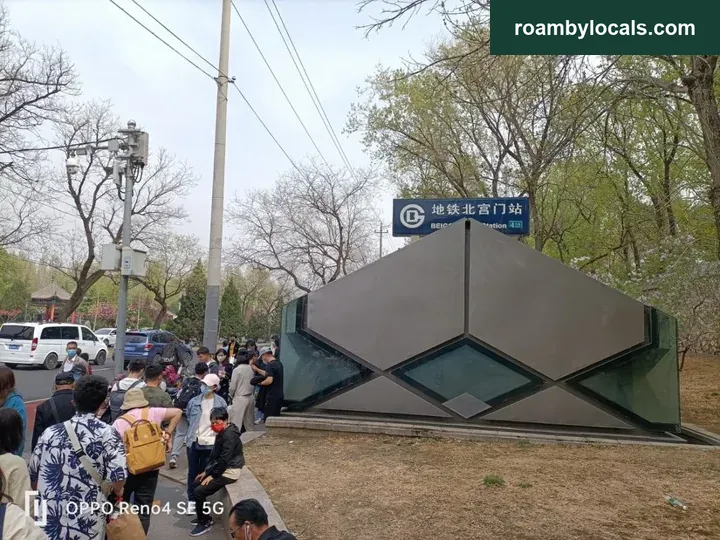
After breakfast, we took the metro to the Summer Palace’s northern gate.
Suzhou Street and the Marble Boat
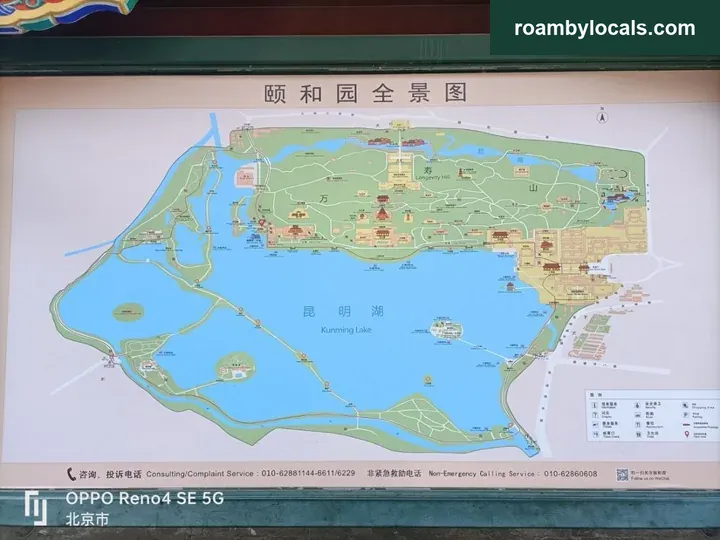
The Summer Palace is an ancient imperial garden in Beijing, formerly called Qingyiyuan, or the Garden of Clear Ripples. In Beijing’s western suburbs beside the Old Summer Palace, it covers about 290 hectares. Built around Kunming Lake and Longevity Hill, modelled on Hangzhou’s West Lake and drawing on Jiangnan garden design, this large landscape garden is also the best-preserved imperial residence and garden. Known as the ‘Museum of Imperial Gardens’, it is a major national tourist attraction.
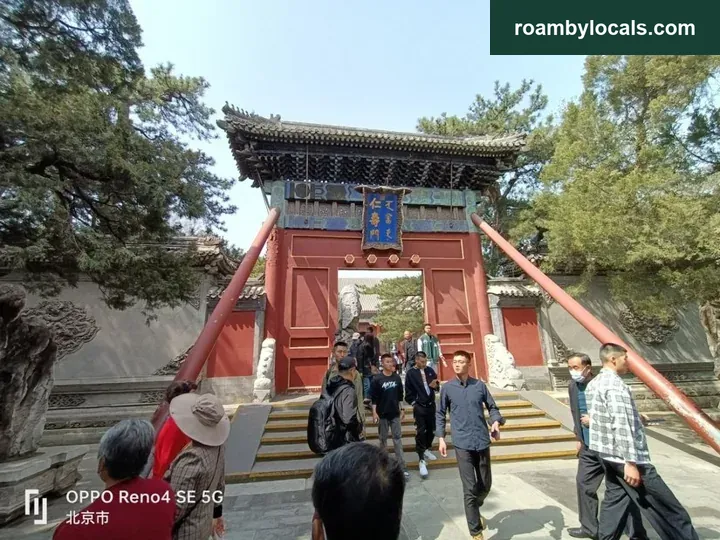
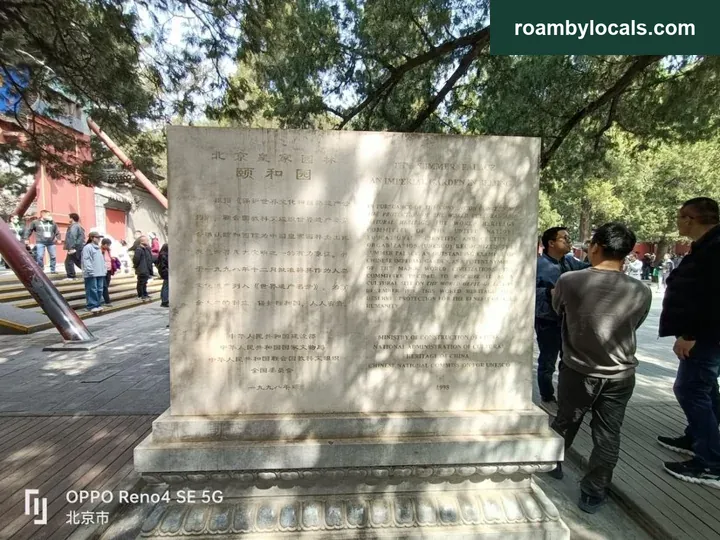
On 4 March 1961, the Summer Palace was named among the first nationally protected cultural heritage sites. Together with Chengde’s Mountain Resort, the Humble Administrator’s Garden and the Lingering Garden, announced at the same time, it is counted among China’s four great gardens. It entered the World Heritage List in November 1998. On 8 May 2007, the National Tourism Administration formally approved it as a national 5A tourist attraction. In 2009, the China World Records Association selected it as China’s largest surviving imperial garden.
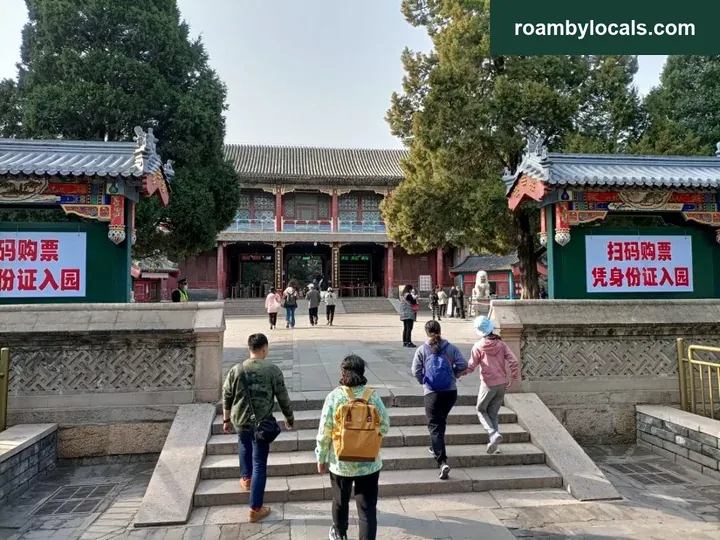
Our son had bought the tickets in advance. As usual, we scanned our identity cards to enter. Just inside was the reconstructed Suzhou Street attraction.
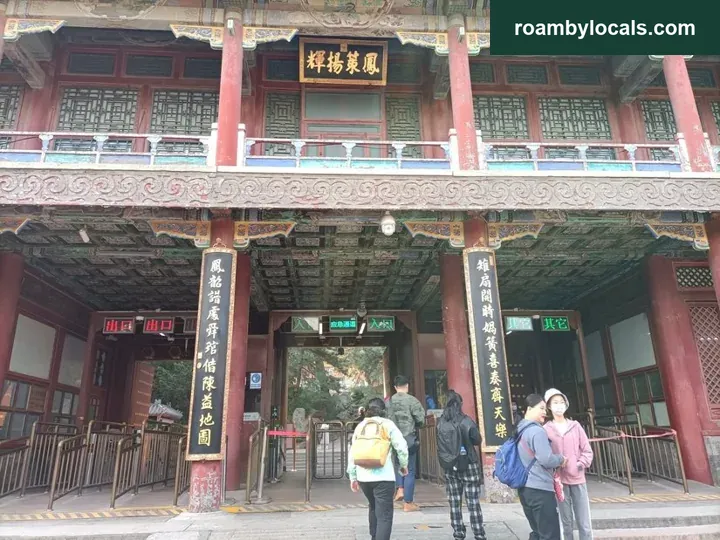
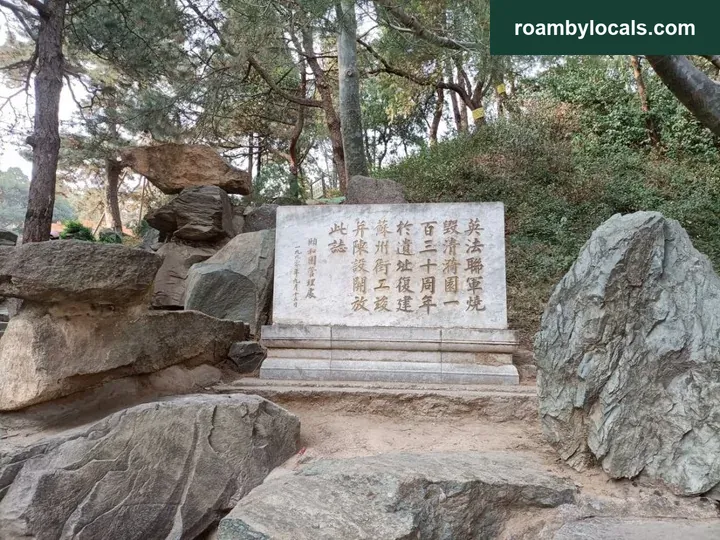
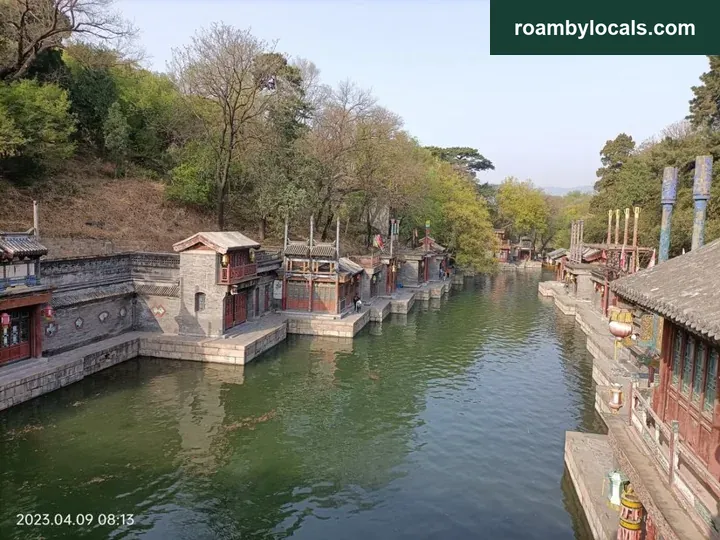
Suzhou Street, reconstructed.
Crossing Suzhou Street Bridge, we first visited Songtang, Xiangyan Zongyin Pavilion, the Four Great Regions and other sights.
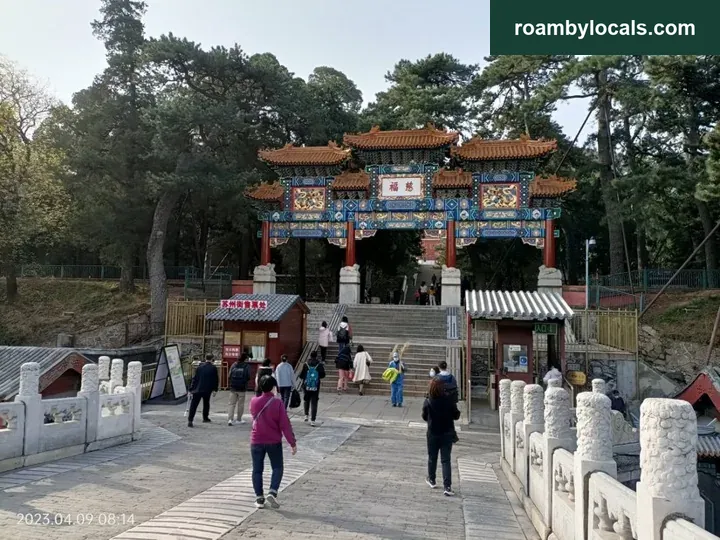
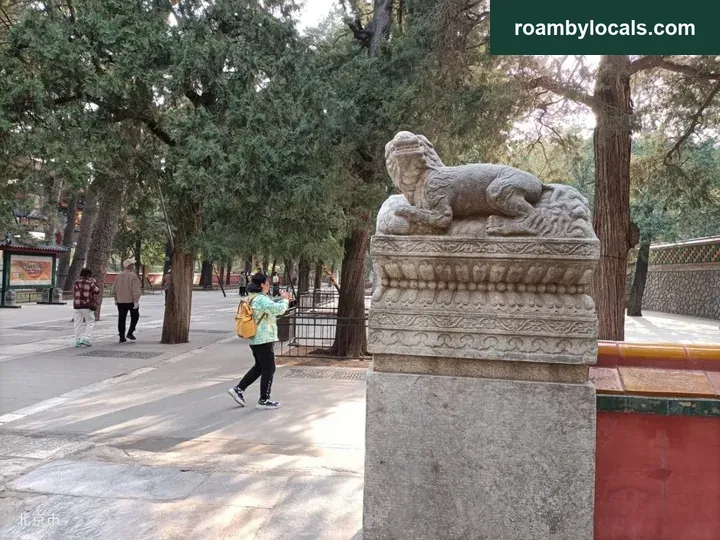
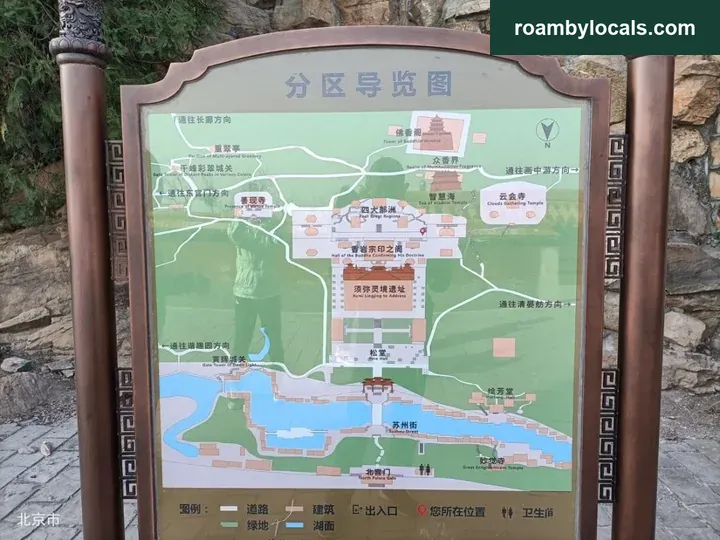
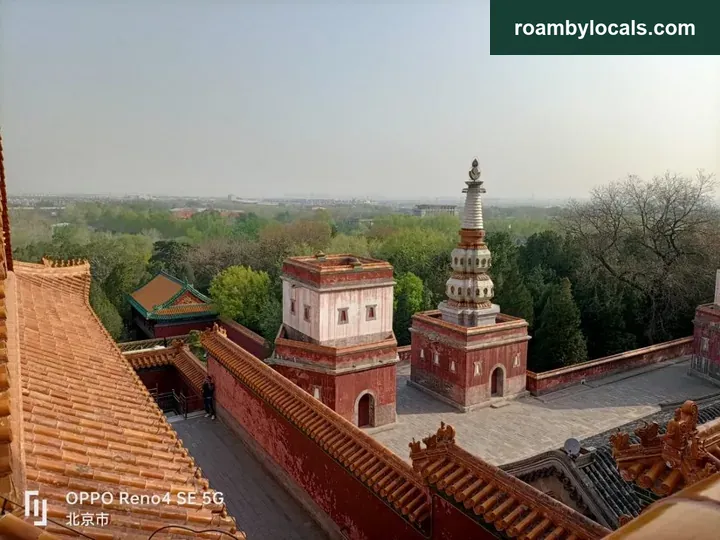
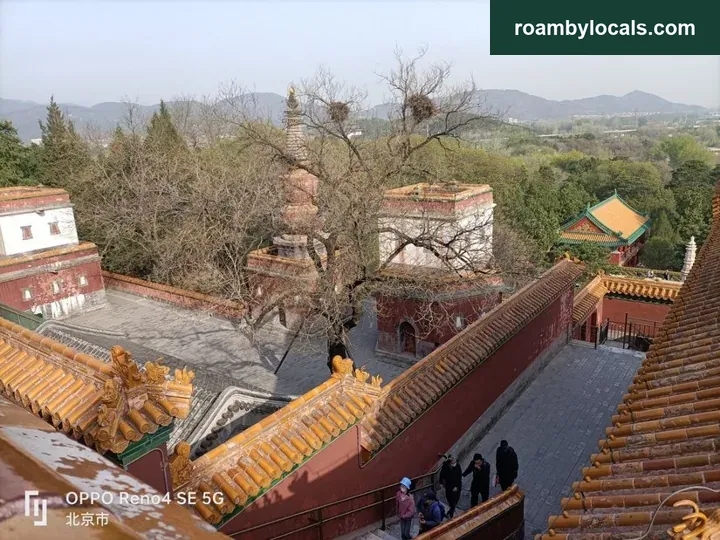
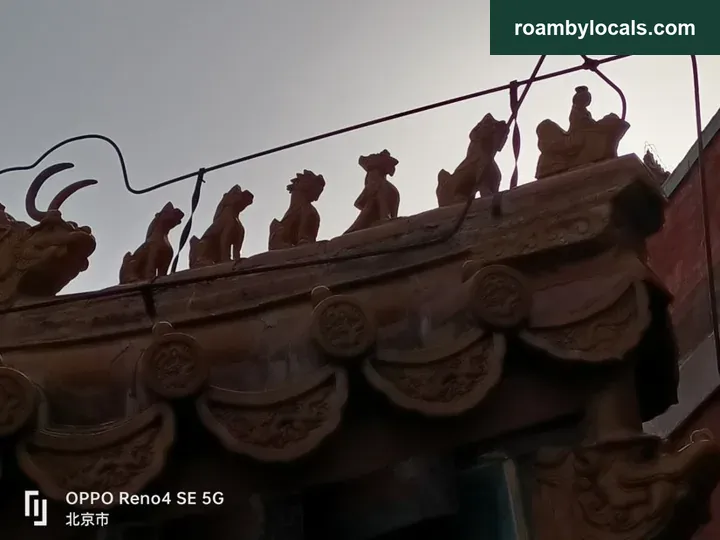
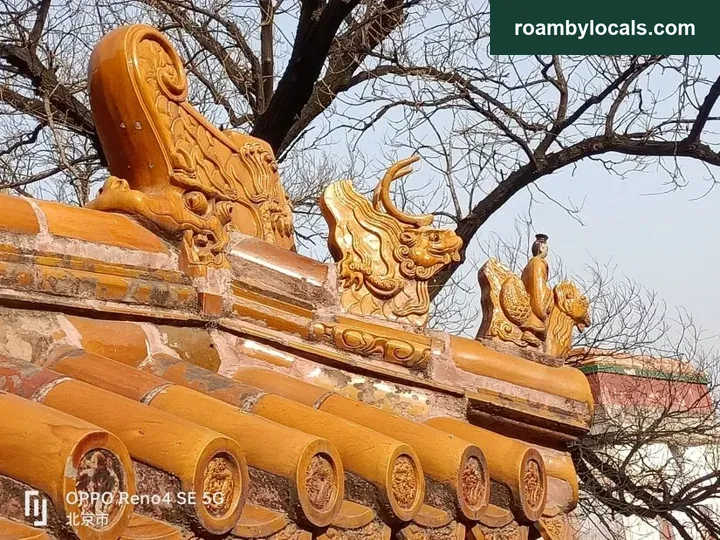
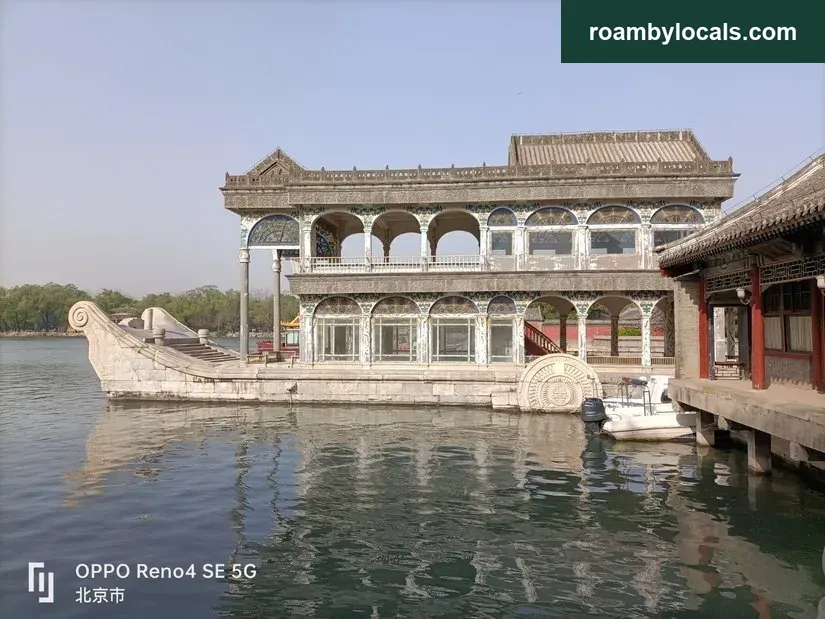
We retraced our steps from Xiangyan Zongyin Pavilion and headed for Qingyanfang, the Marble Boat.
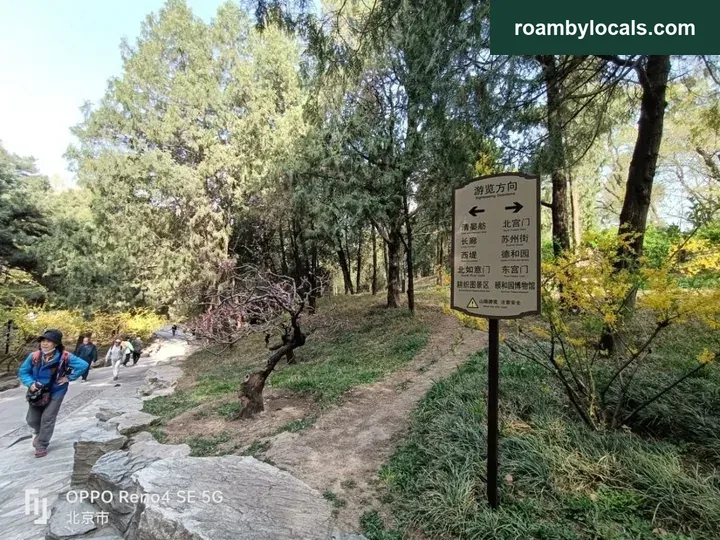
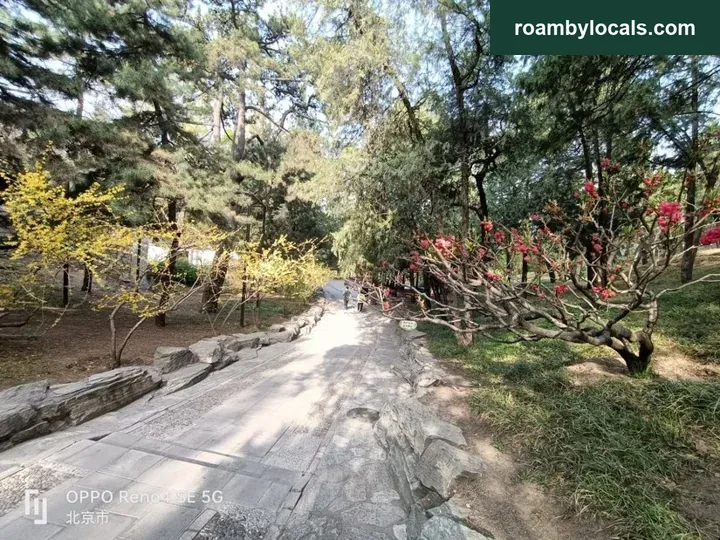
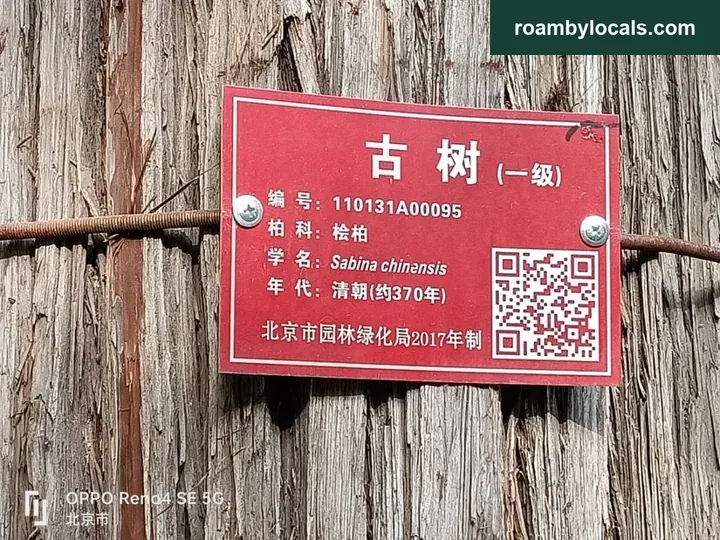
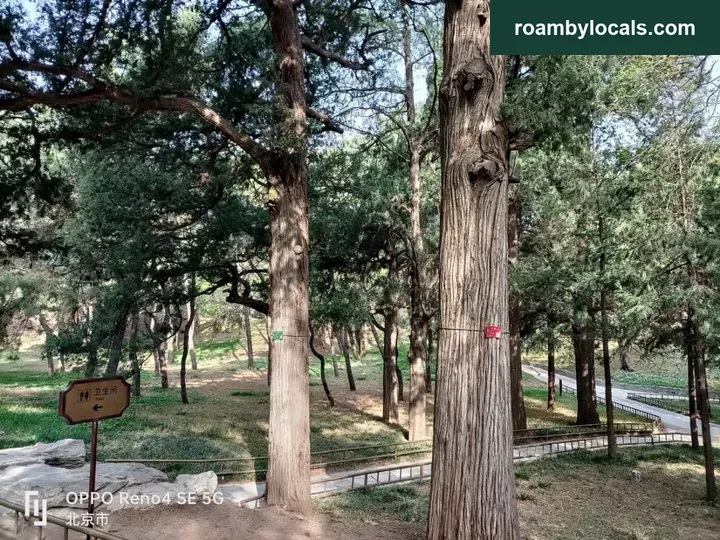
Old trees along the way.
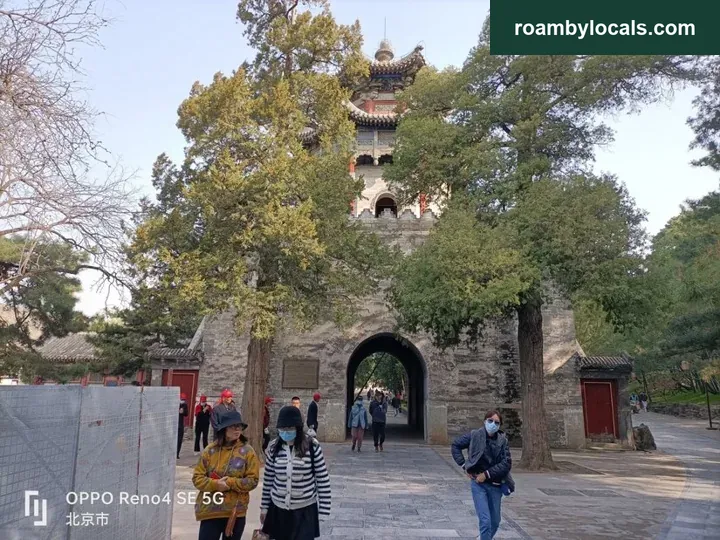
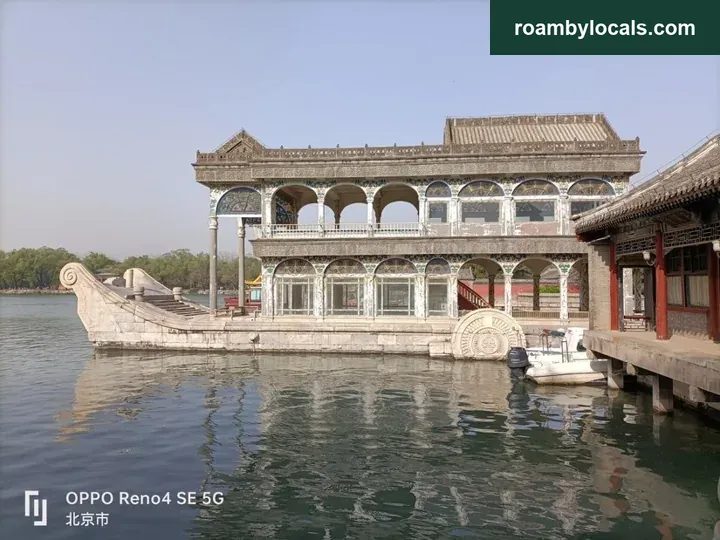
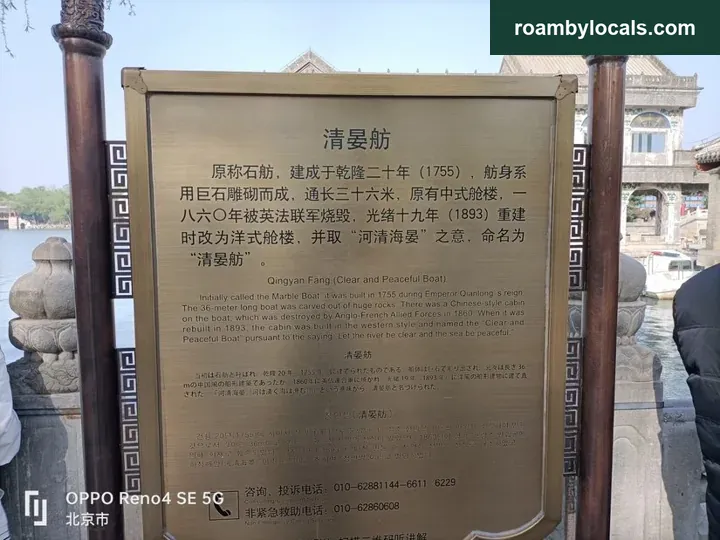
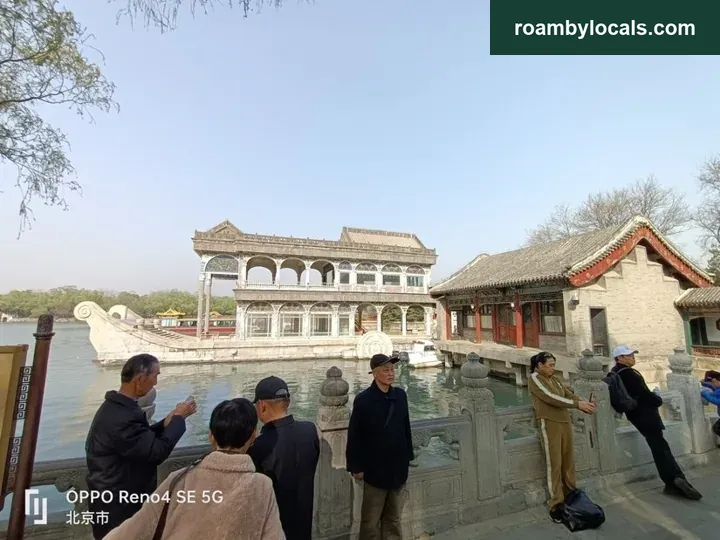
The painted Long Corridor
The Summer Palace’s Long Corridor. Beyond the Marble Boat, we came to the famous Long Corridor.
The corridor lies between the southern foot of Longevity Hill and the northern shore of Kunming Lake. First built in the fifteenth Qianlong year, 1750, it was burnt by Anglo-French forces in 1860 and rebuilt in 1888. It runs from Yaoyue Gate in the east to Shizhang Pavilion in the west, passing through Paiyun Gate. Four double-eaved octagonal pavilions — Liujia, Jilan, Qiushui and Qingyao — are symmetrically placed along it, symbolising spring, summer, autumn and winter. It is 728 metres long, with 273 bays and 548 columns. Famous for exquisite architecture, varied turns and extraordinarily rich paintings, it is the longest corridor in China’s ancient architecture and gardens. It is also a colourful gallery: every crossbeam is painted, with more than 14000 vivid, magnificent pictures. Its length and wealth of paintings earned it a place in Guinness World Records in 1990. Most paintings show landscapes, flowers and birds, or episodes from China’s four classic novels: Dream of the Red Chamber, Journey to the West, Romance of the Three Kingdoms and Water Margin. The painters condensed thousands of years of Chinese history and culture into this long passage. Many landscapes imitate Jiangnan scenery and were painted according to the Qianlong Emperor’s intentions.
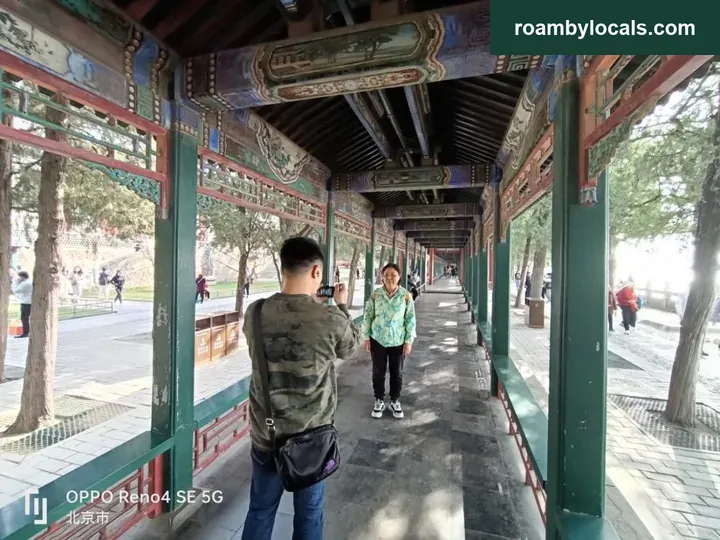
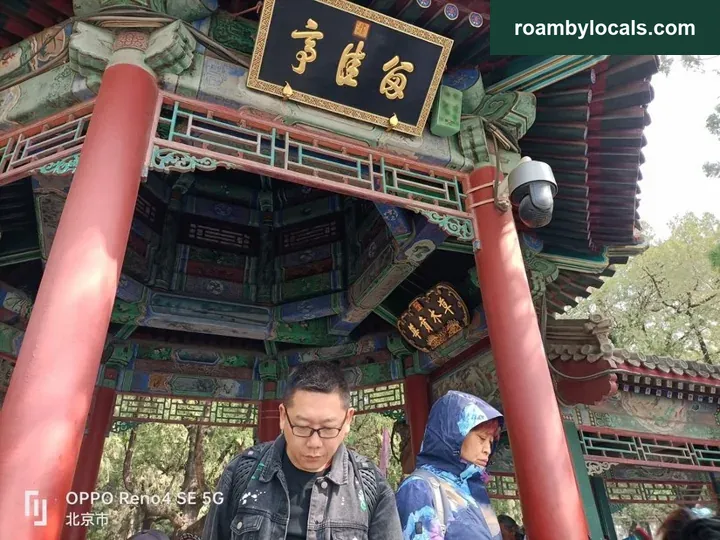
Longevity Hill separates the eastern and western corridors in the middle.
Over Longevity Hill
Longevity Hill, within the Summer Palace, is an outlying ridge of the Yan Mountains, 108.94 metres above sea level. Legend says an old man once dug up a stone urn here, hence its former name, Urn Hill. In front was Wengshan Lake, also called West Lake, today’s Kunming Lake. In the seventh Hongzhi year, 1494, Lady Luo, the Xiaozong Emperor’s wet nurse, built Yuanjing Temple at the hill’s foot. In the early Qing it served as a fodder ground for imperial horses. In the fifteenth Qianlong year, 1750, Dabaoen Yanshou Temple was built on Yuanjing Temple’s site to celebrate the Empress Dowager’s sixtieth birthday. The next year the hill was renamed Longevity Hill. Earth excavated while enlarging Kunming Lake was piled on the hill according to the garden plan, making the eastern and western slopes gentle and symmetrical and the hill the garden’s principal feature.
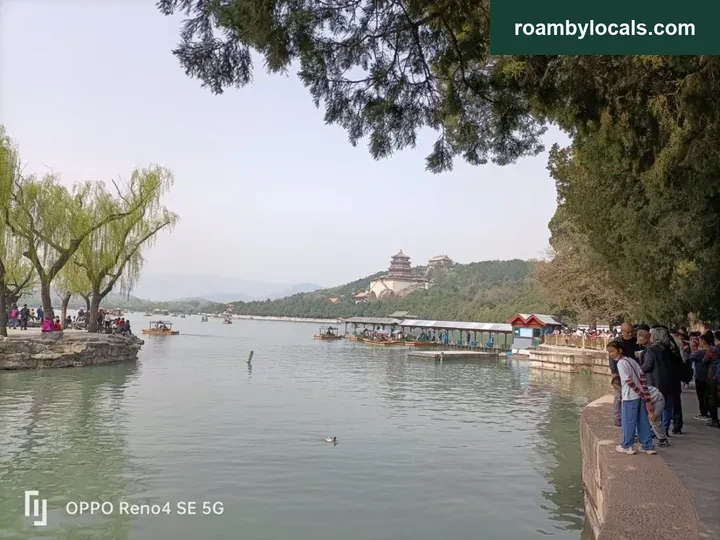
The buildings follow the slope. Those standing today were rebuilt by Empress Dowager Cixi after destruction by Anglo-French forces. On the hill’s front, the great complex centres on the Tower of Buddhist Incense, an octagonal, three-storey building with four tiers of eaves. From the Yunhui Yuyu archway at the foot, an ascending central axis passes Paiyun Gate, the Second Palace Gate, Paiyun Hall, Dehui Hall and the Tower of Buddhist Incense to the Sea of Wisdom at the summit. To the east are the Revolving Archive and the ‘Longevity Hill and Kunming Lake’ stele; to the west, Wufang Pavilion and bronze Baoyun Pavilion. Behind the hill are the grand Tibetan Buddhist Four Great Regions and the multicoloured glazed Duobao Pagoda amid green trees. Jingfu Pavilion, Chongcui Pavilion, Xieqiu Studio, Huazhongyou and other buildings also stand on the hill; from them you can look down over Kunming Lake.
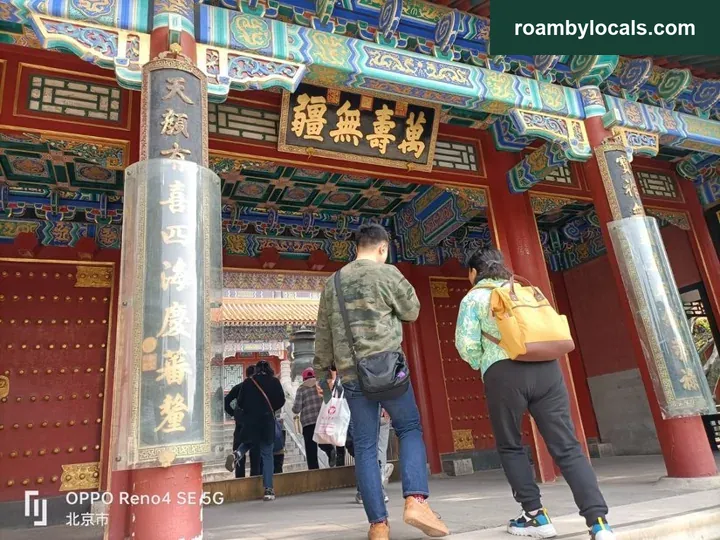
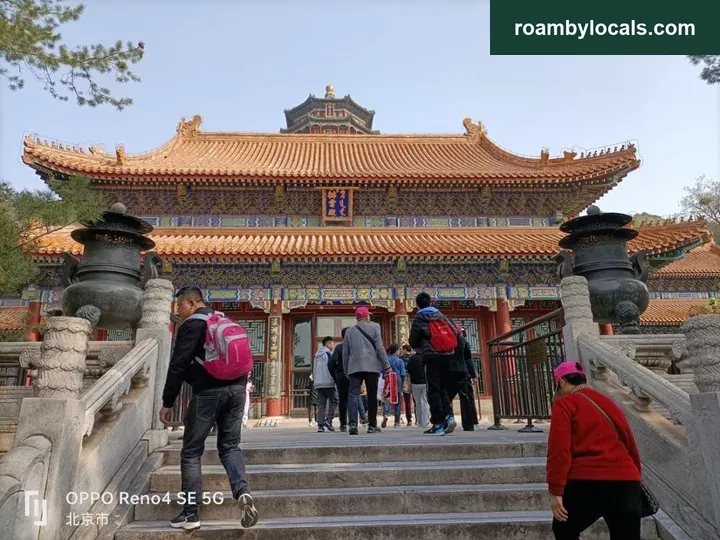
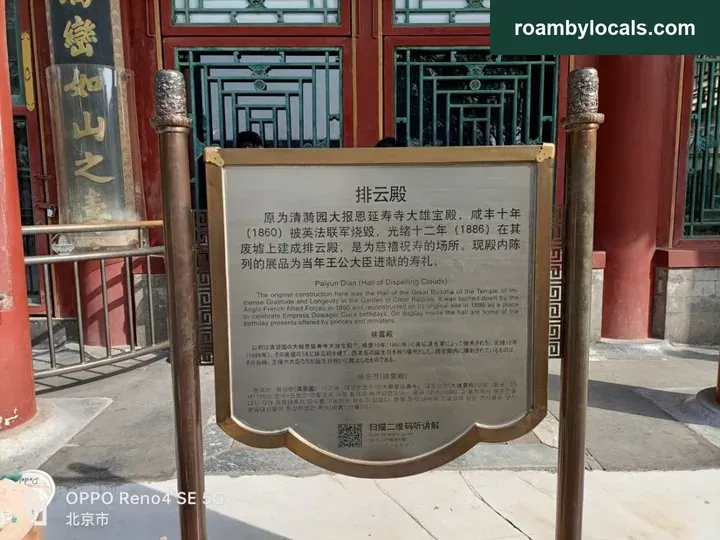
Climbing high for a distant view.
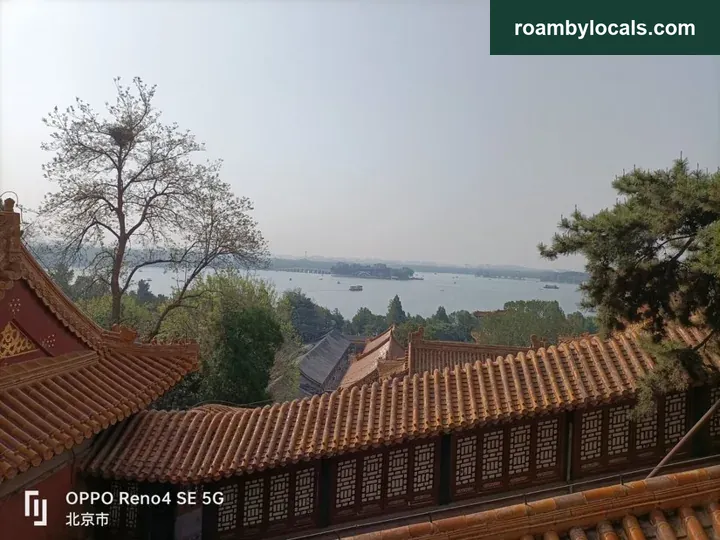
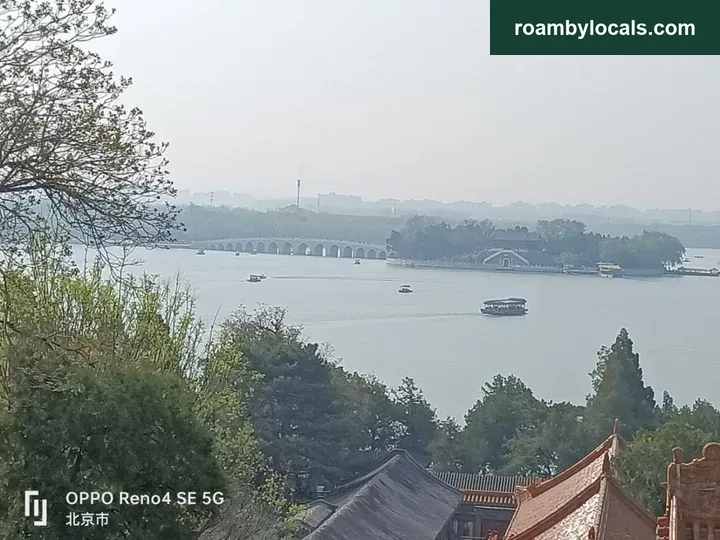
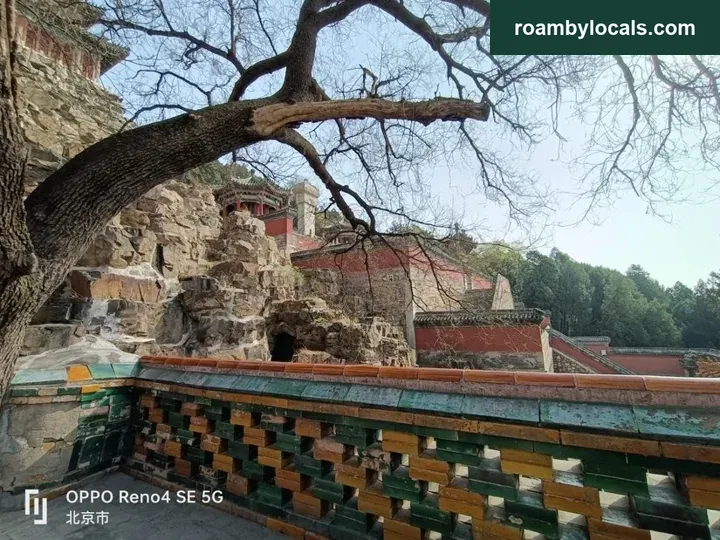
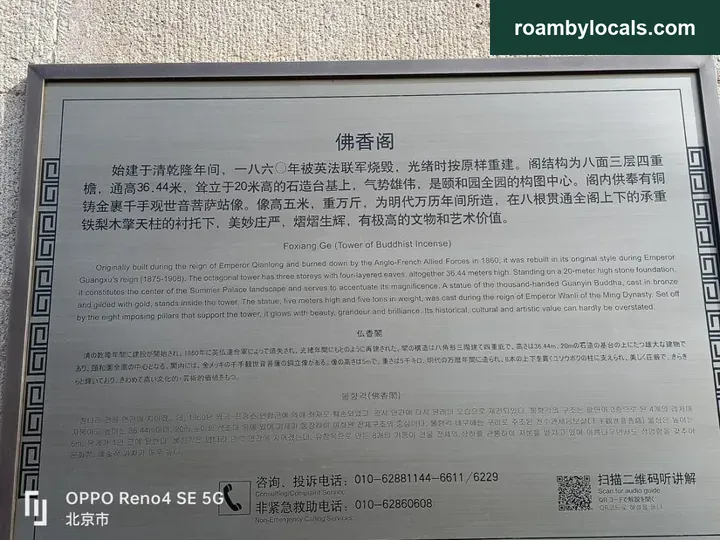
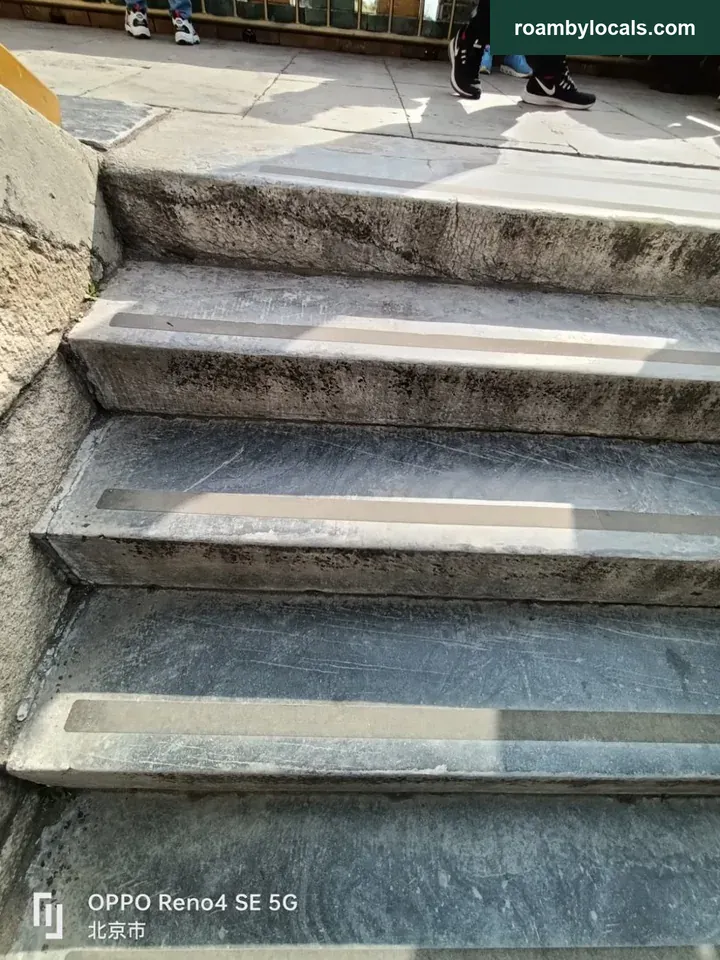
The steps had been treated to prevent slipping.
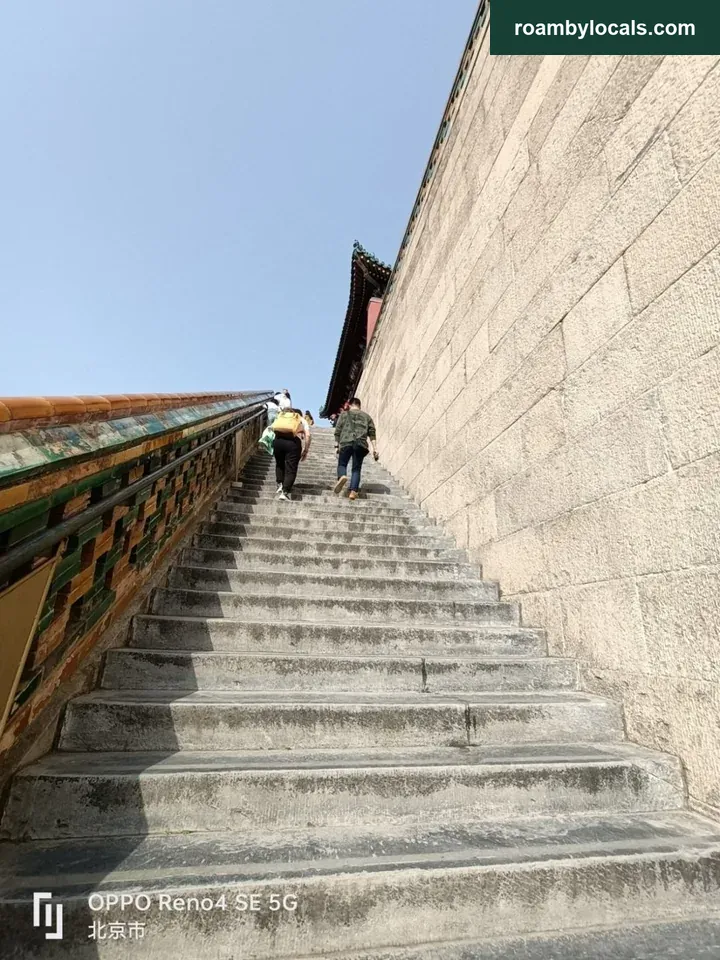
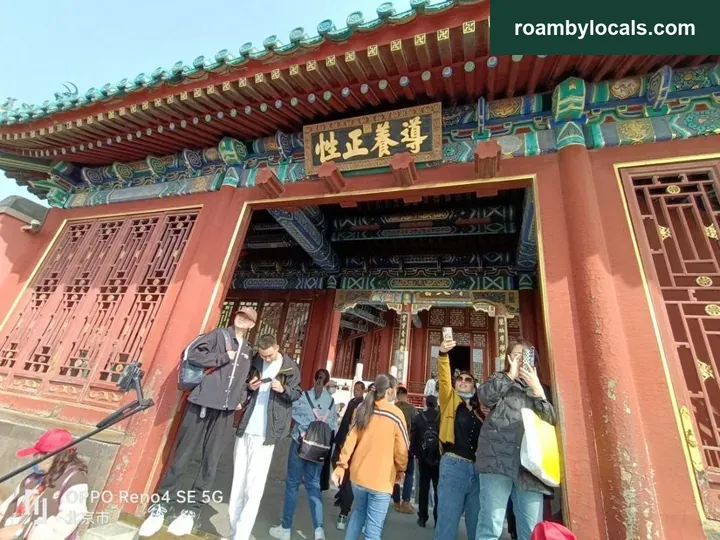
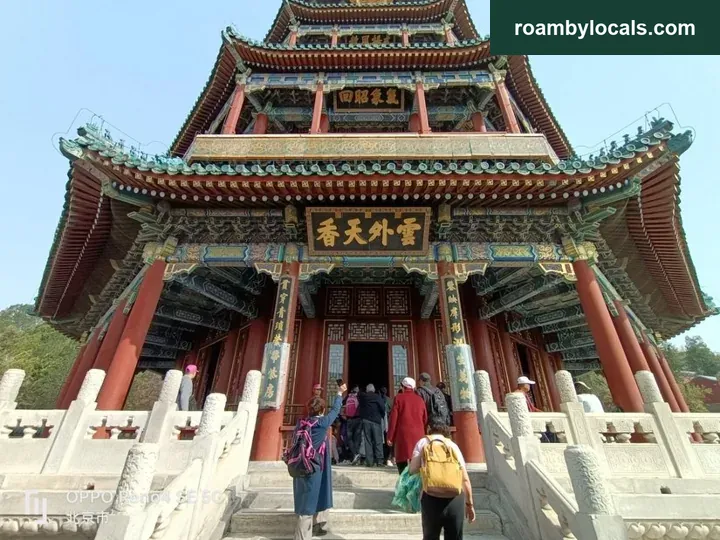
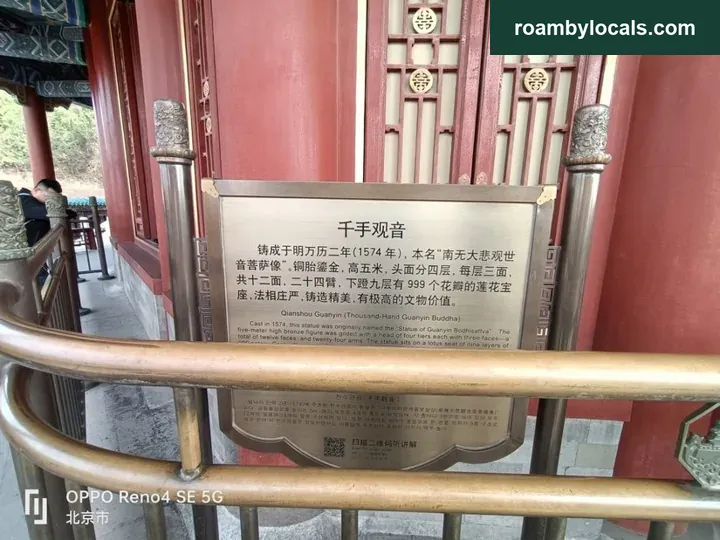
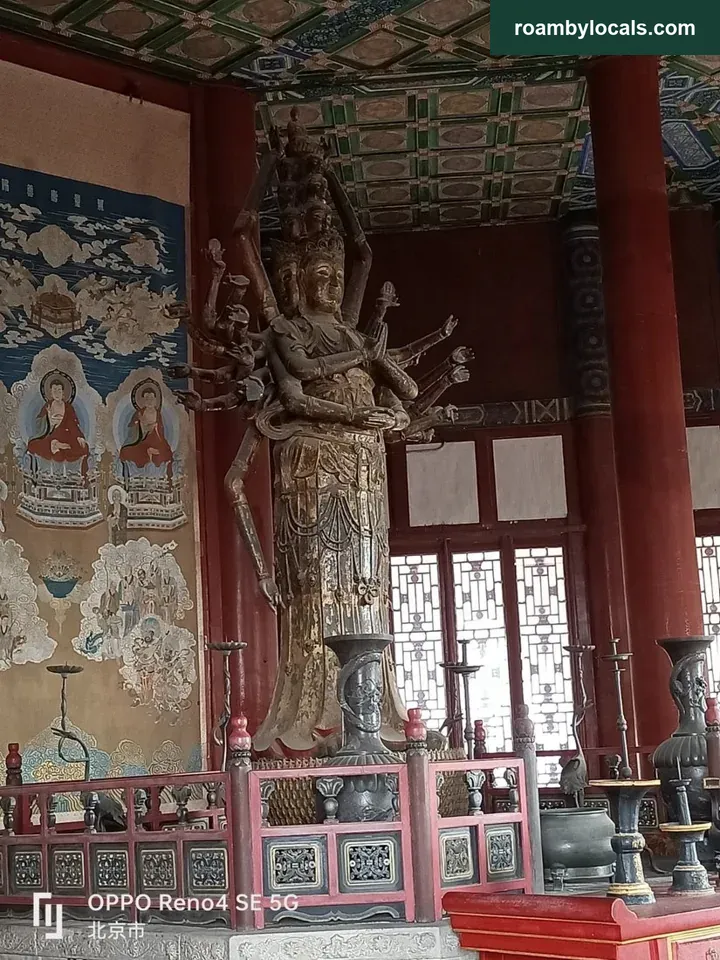
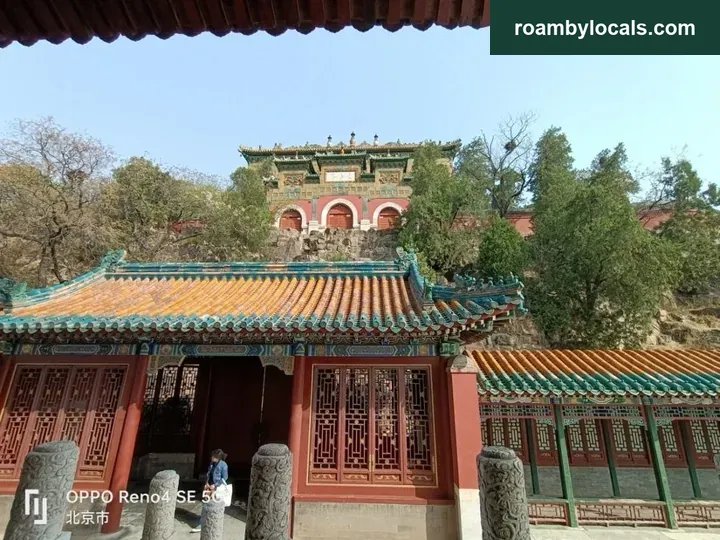
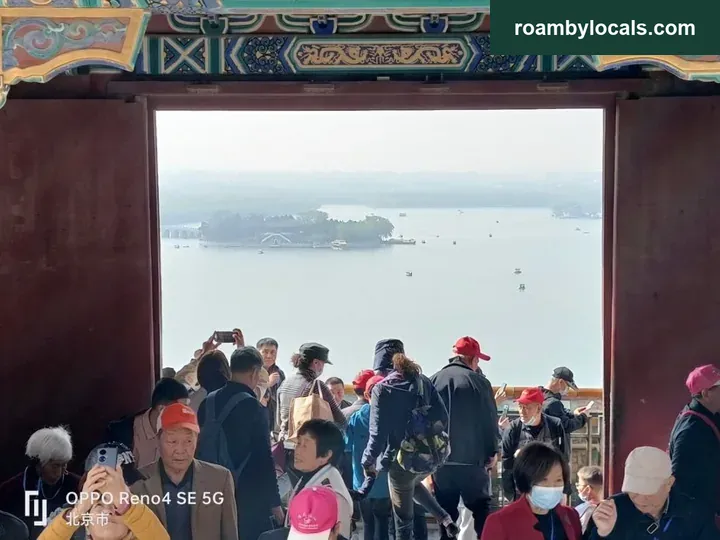
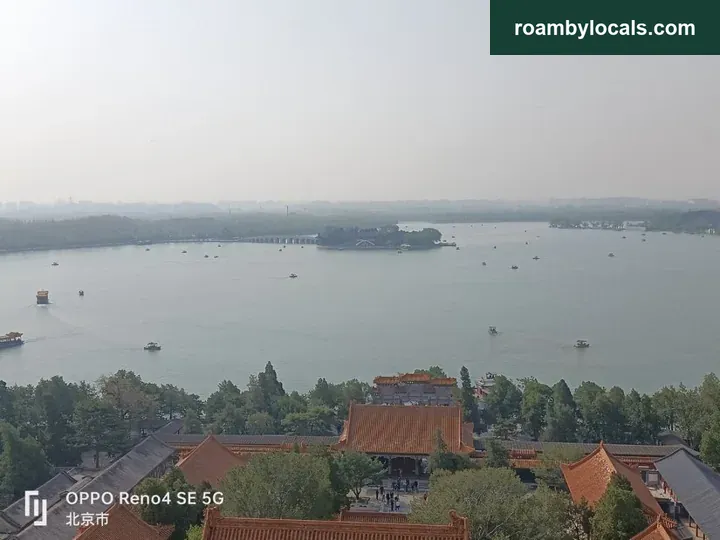
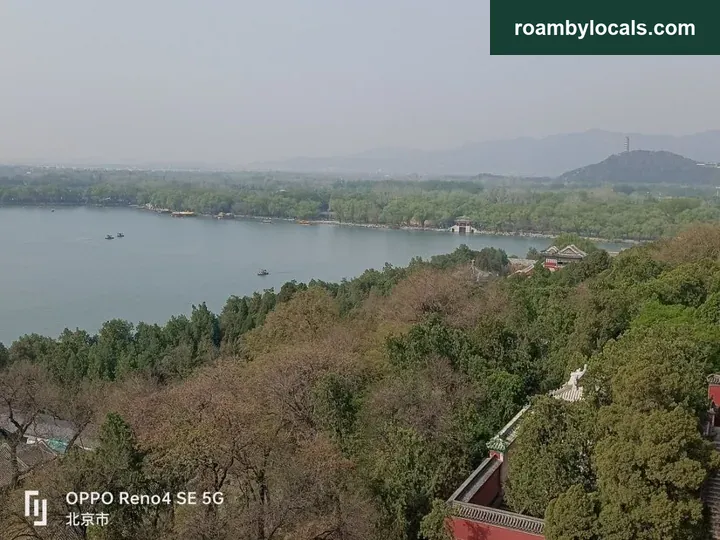
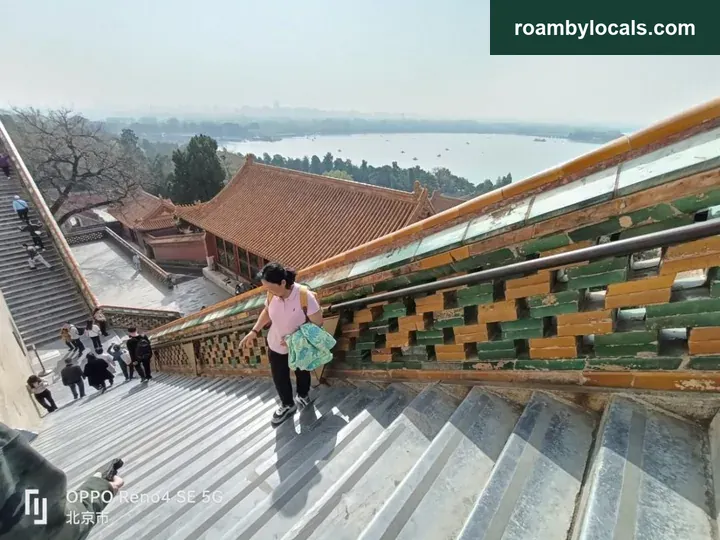
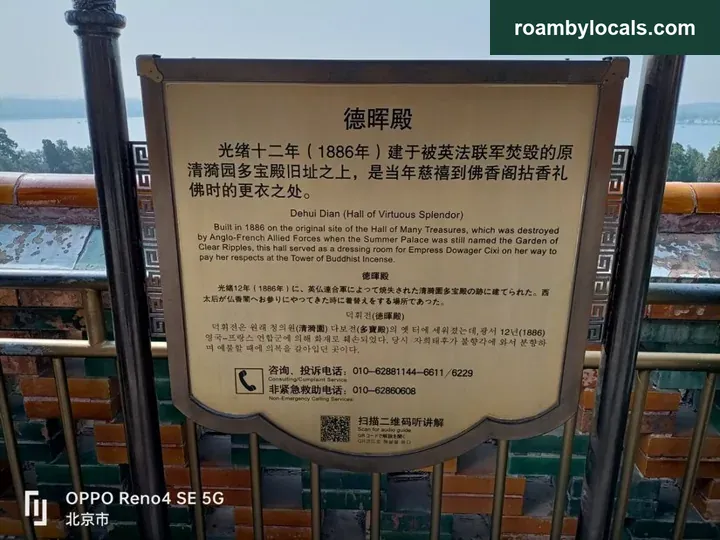
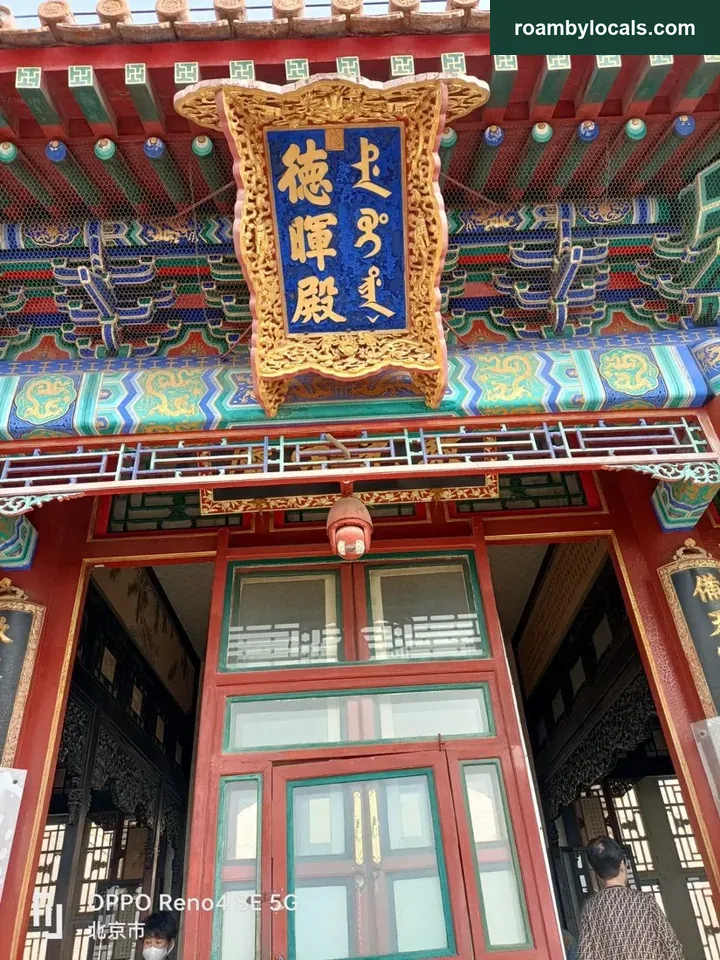
Visitors streamed in from everywhere.
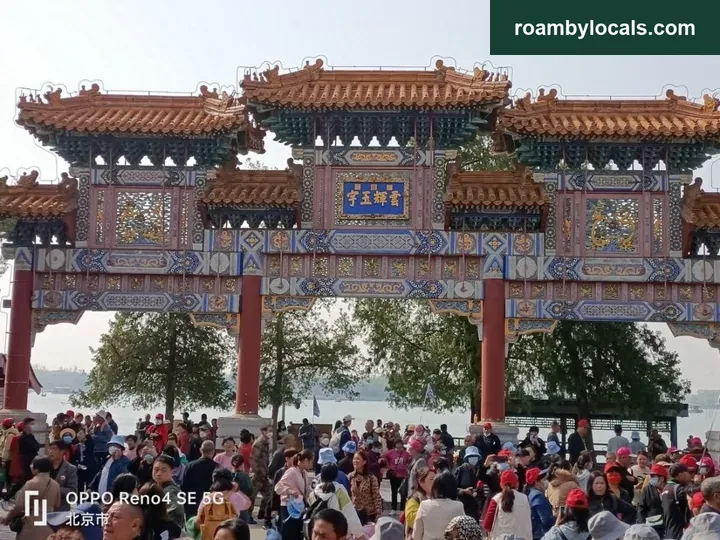
The Garden of Harmonious Pleasures
After coming down Longevity Hill, I thought we would start around Kunming Lake. Our son said the nearby Garden of Harmonious Pleasures was worth seeing. We threaded through dense crowds and used the phone’s navigation several times before finding it.
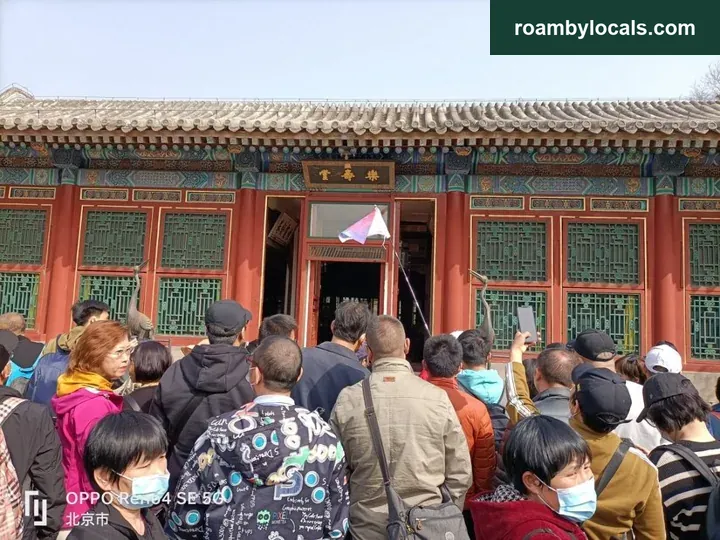
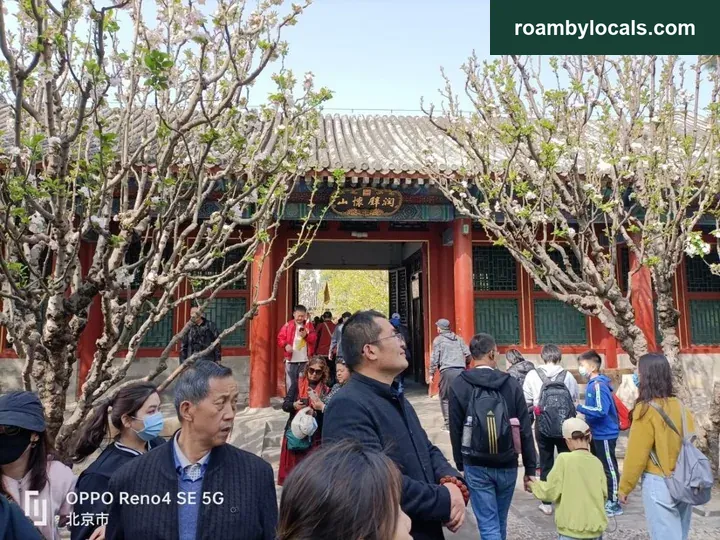
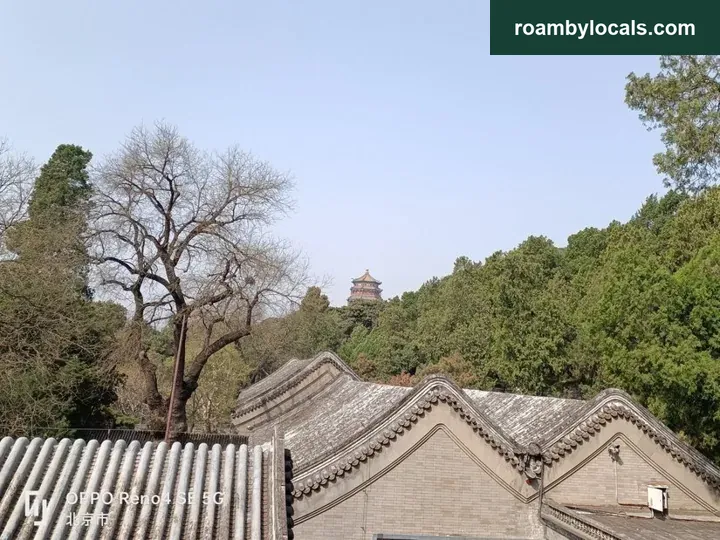
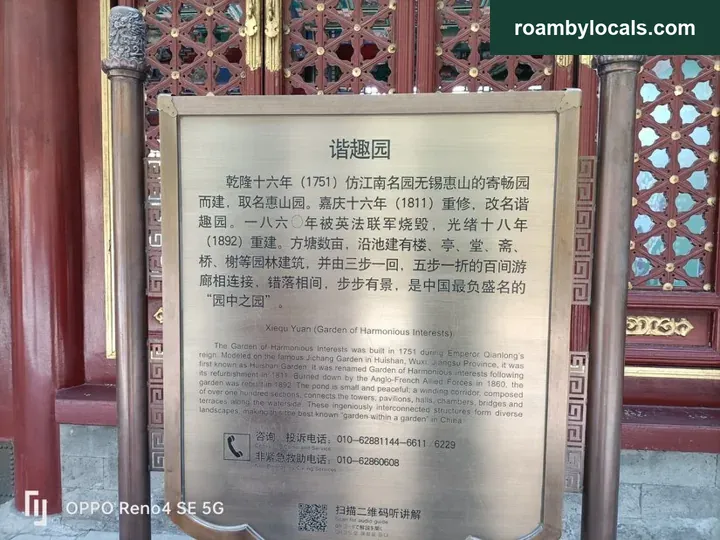
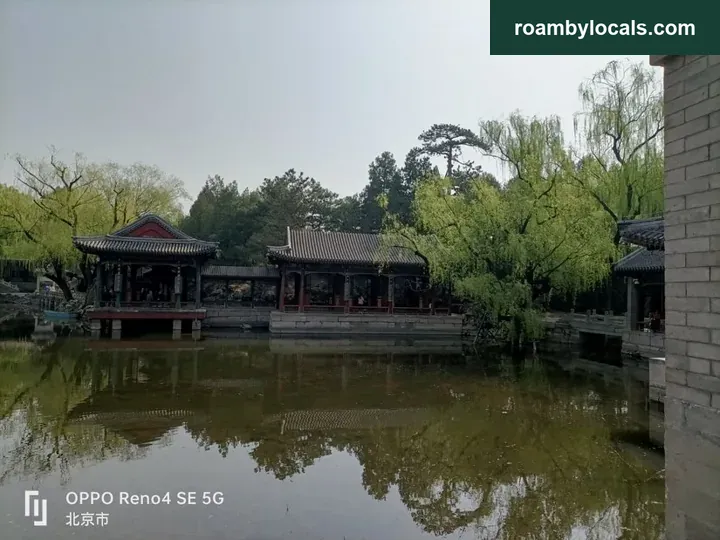
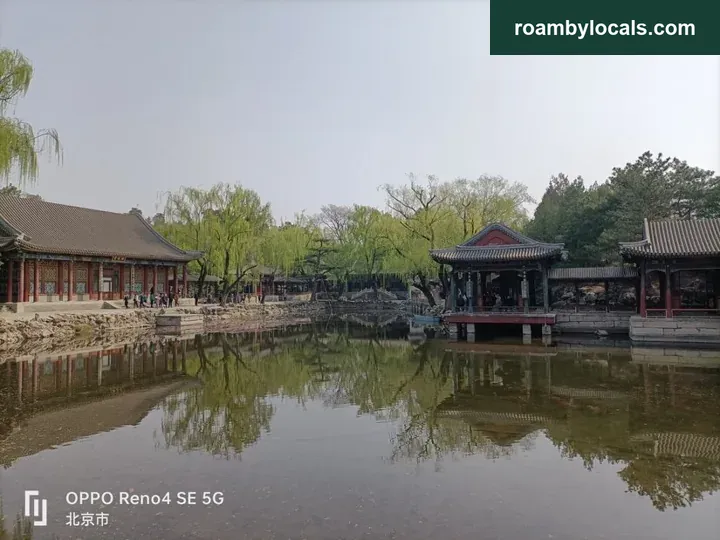
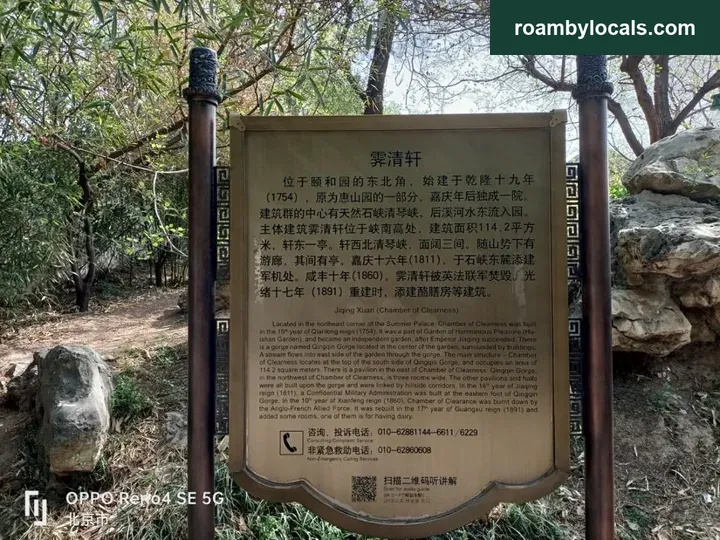
A garden within a garden.
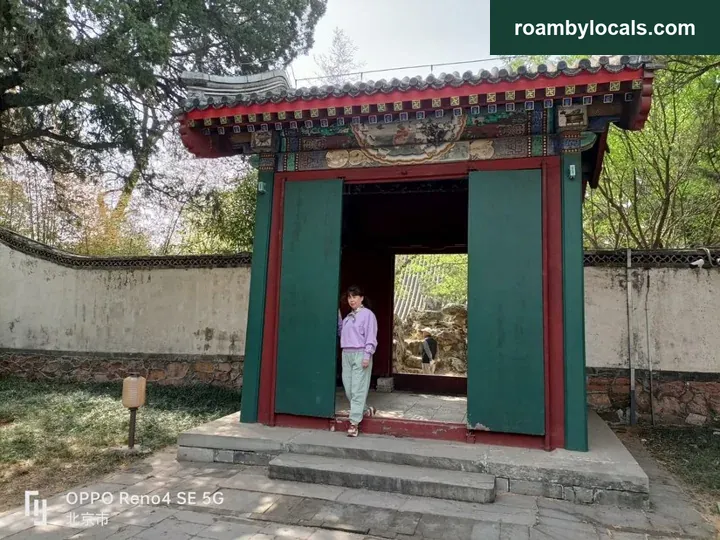
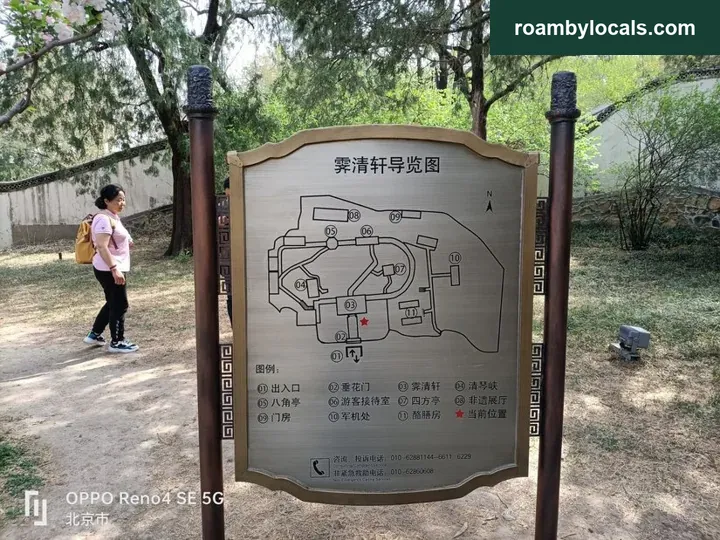
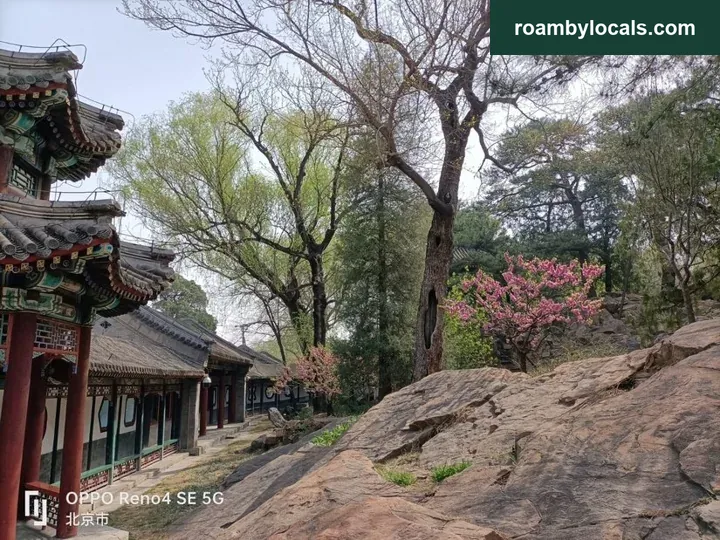
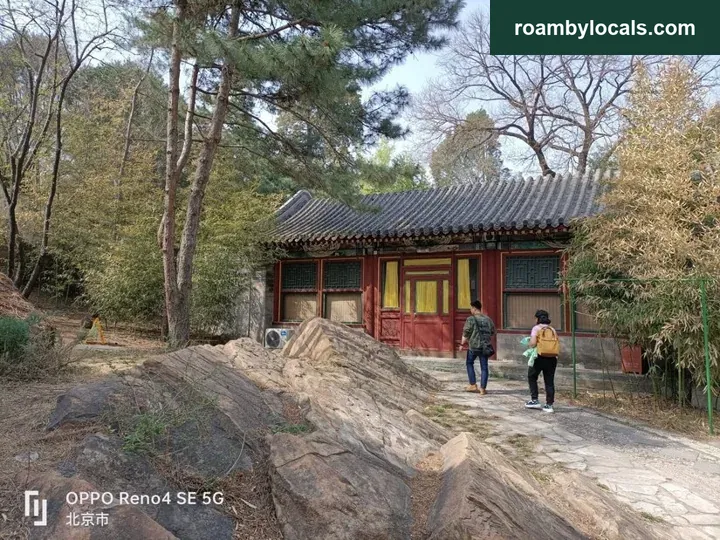
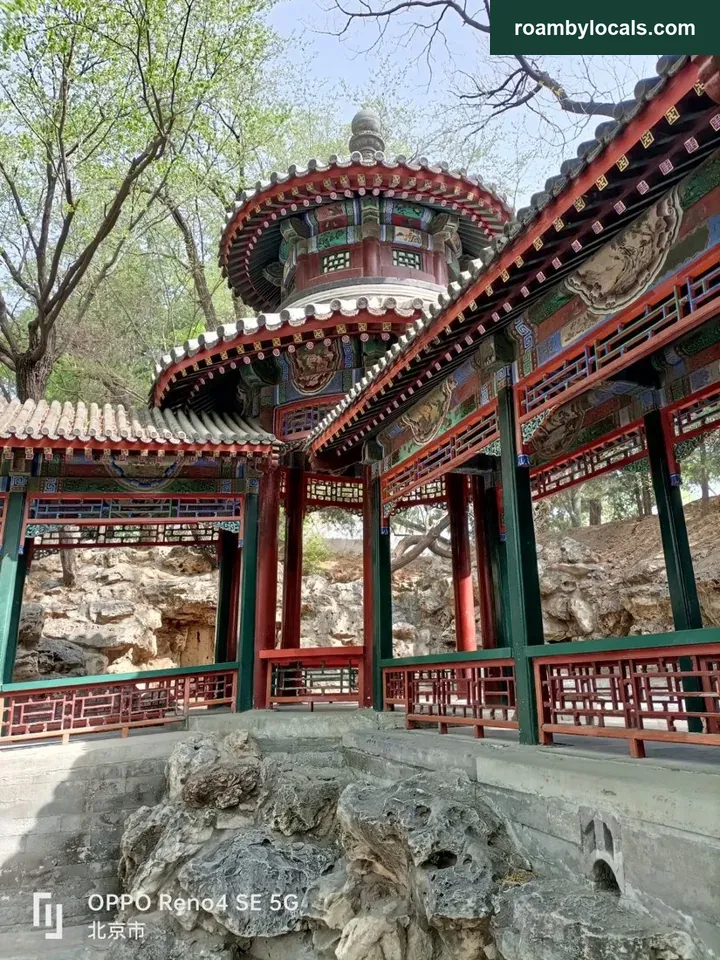
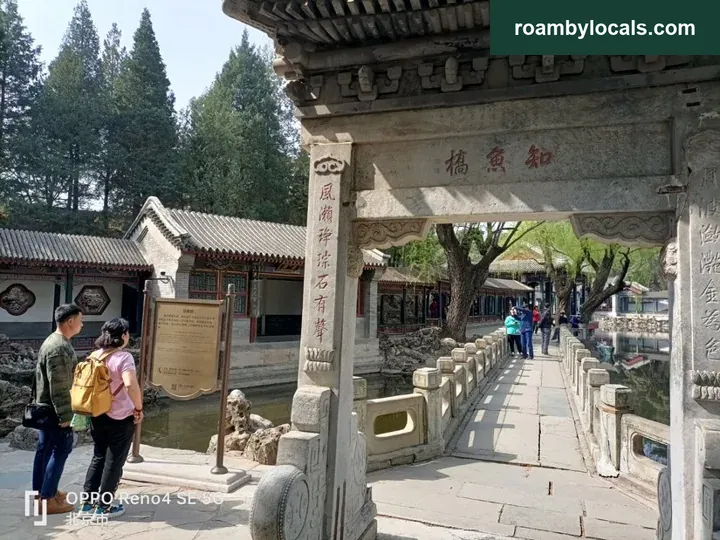
Beyond Zhiyu Bridge, at the visitor service point, we bought yoghurt and coffee and ate some fruit and food.
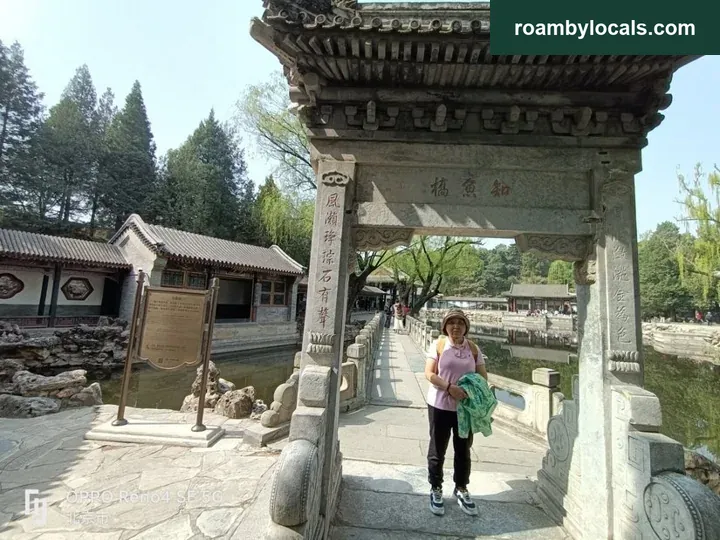
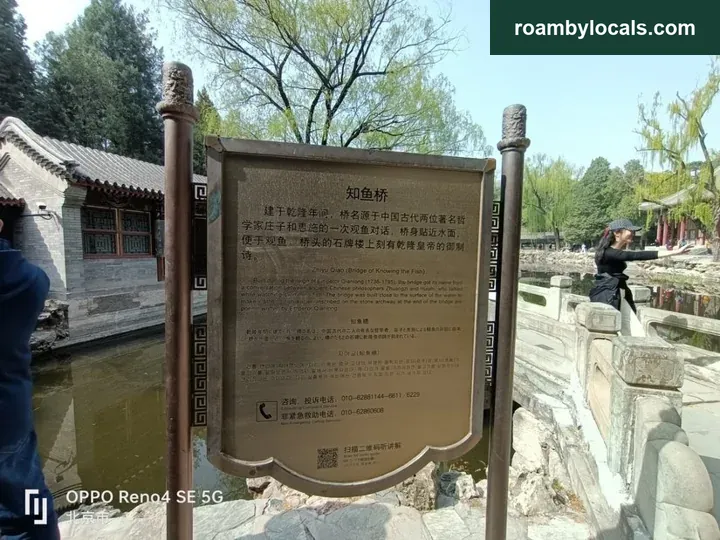
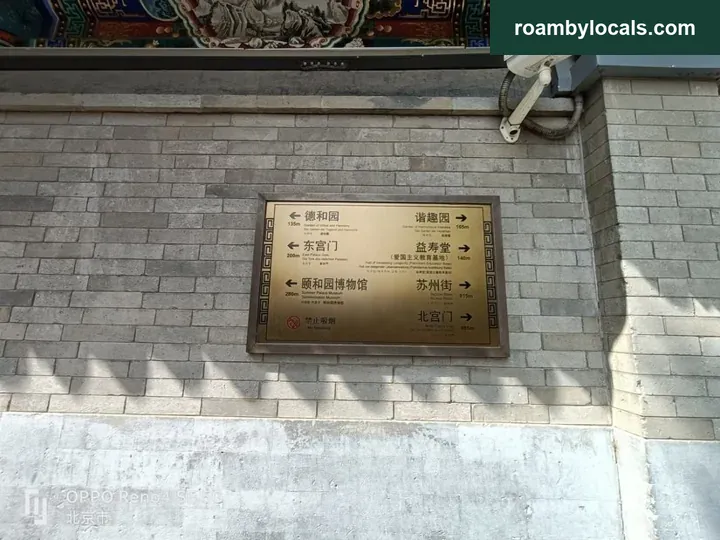
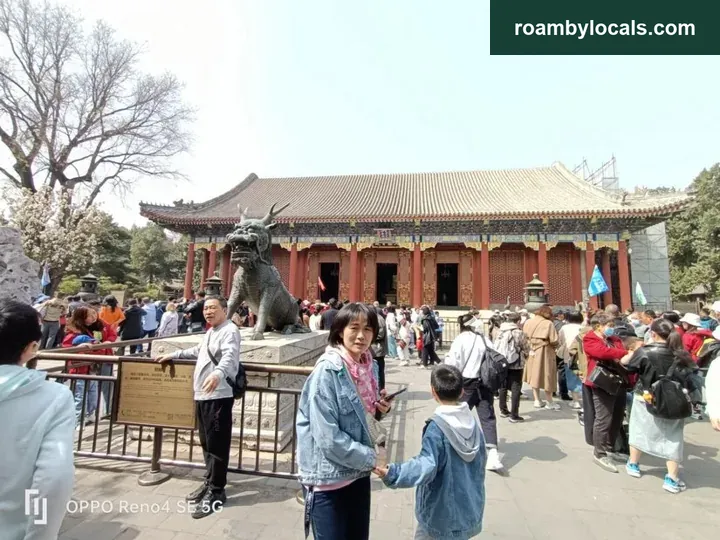
Leaving the Garden of Harmonious Pleasures, we passed Ziqi Donglai Fort and the East Palace Gate towards Kunming Lake.
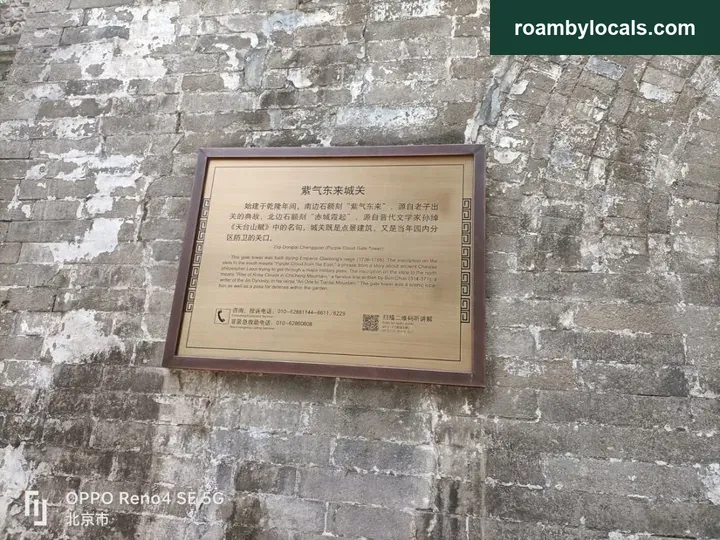
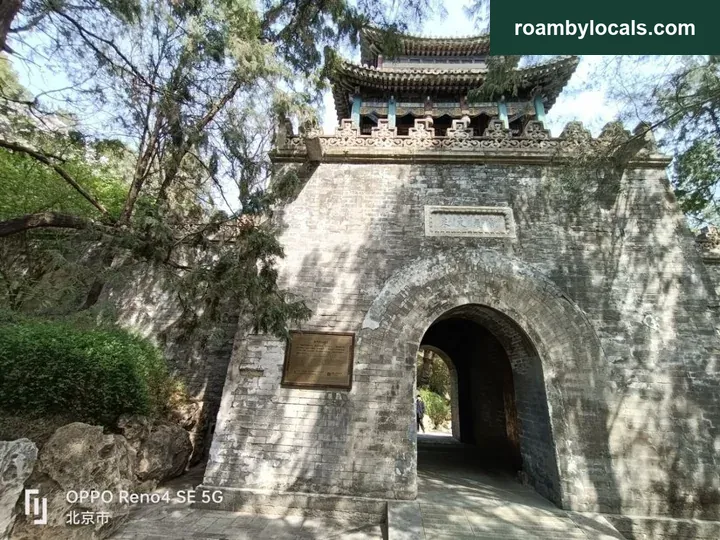
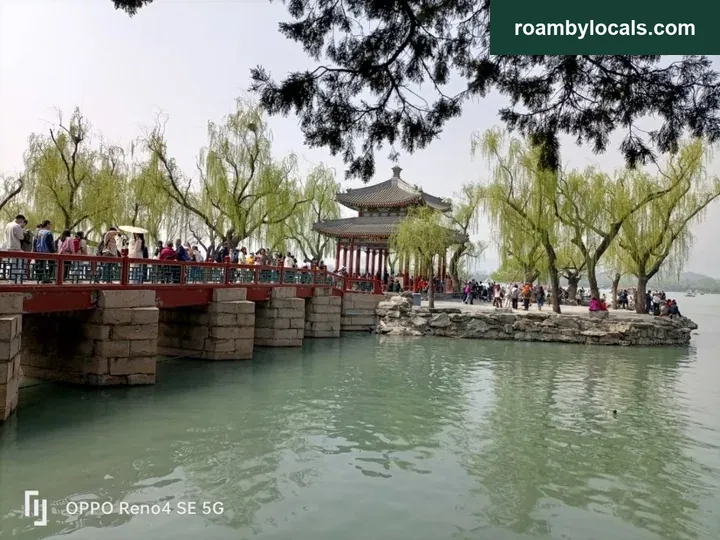
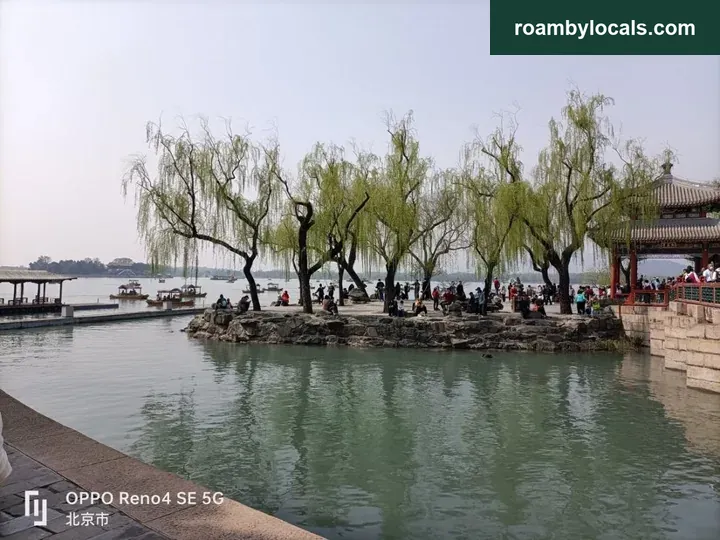
Along Kunming Lake’s eastern shore
Kunming Lake occupies around three-quarters of the Summer Palace, covering a broad 3000 mu. In the Yuan dynasty it became a water source for grain transport at Tongzhou. Imperial gardens gradually developed after the Jin dynasty, reaching the grand scale of the Summer Palace under the Qing. After the Republic began, it became a park.
Kunming Lake supplied the Tonghui River, the Yuan capital’s grain-transport waterway, and the route used by Yuan, Ming and Qing emperors to visit the Western Hills. It supplied Beijing’s water in the Qing. The Jingmi diversion canal, completed in 1966, also used Kunming Lake as a major regulating reservoir: a lifeline of Beijing.
On 22 October 2021, it entered Beijing’s first list of water heritage sites.
Scenery along Kunming Lake’s eastern shore.
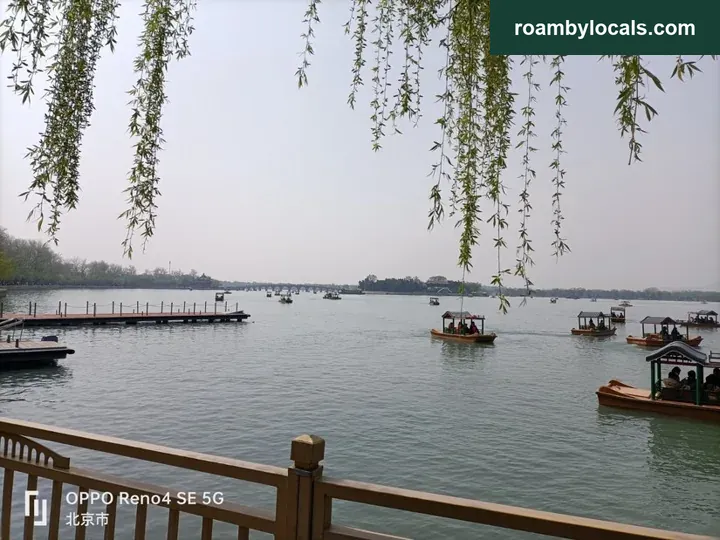
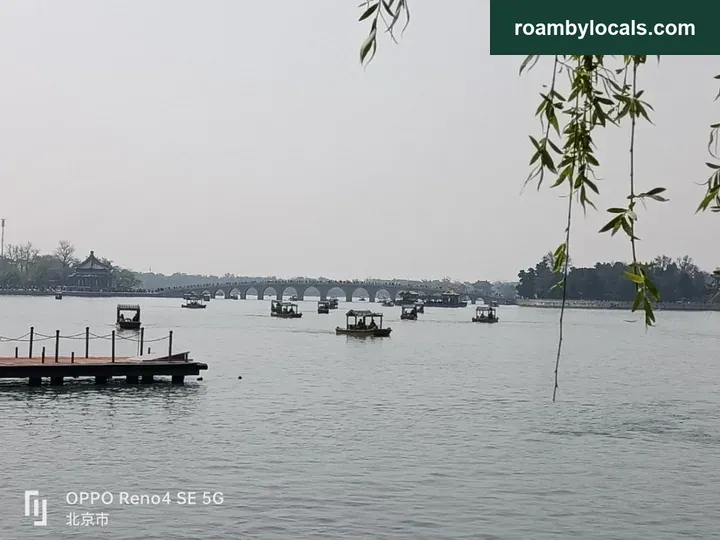
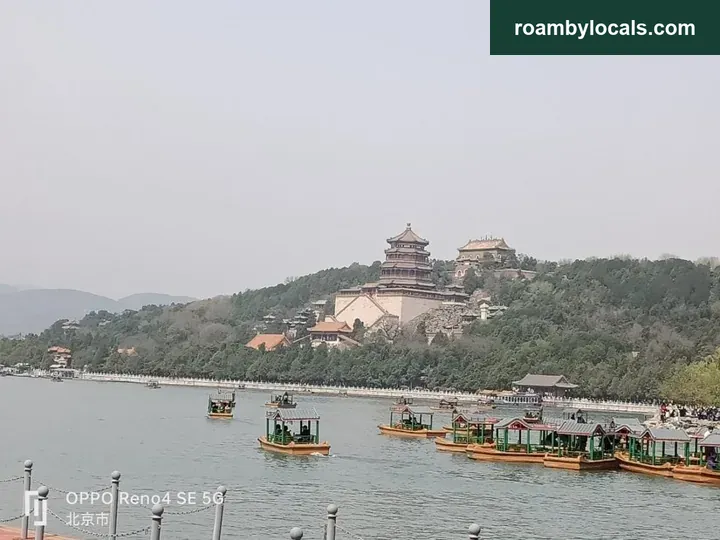
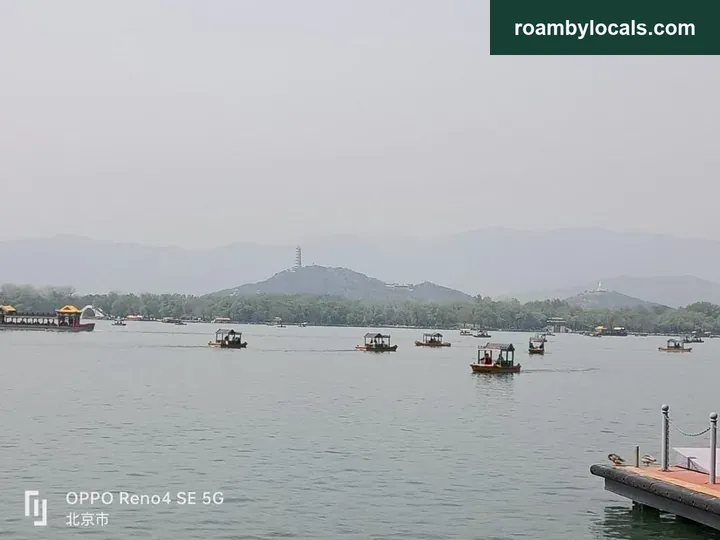
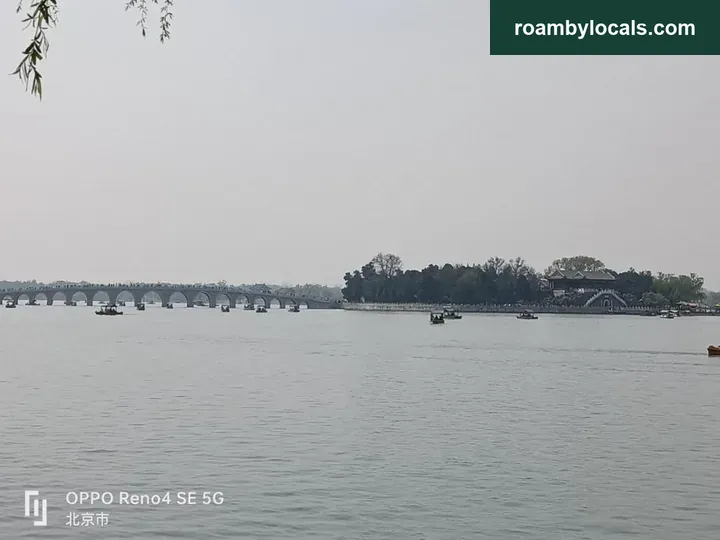
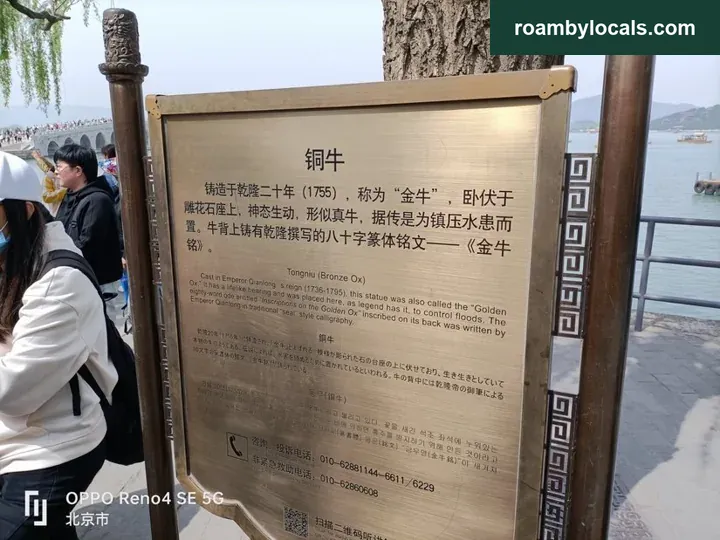
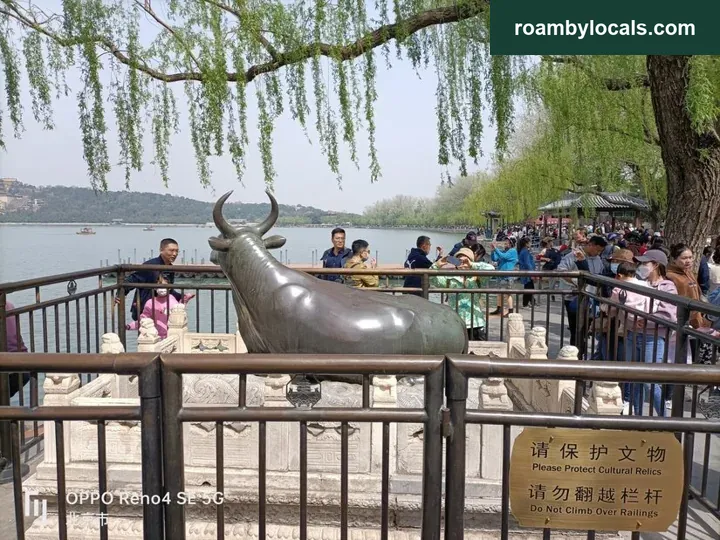
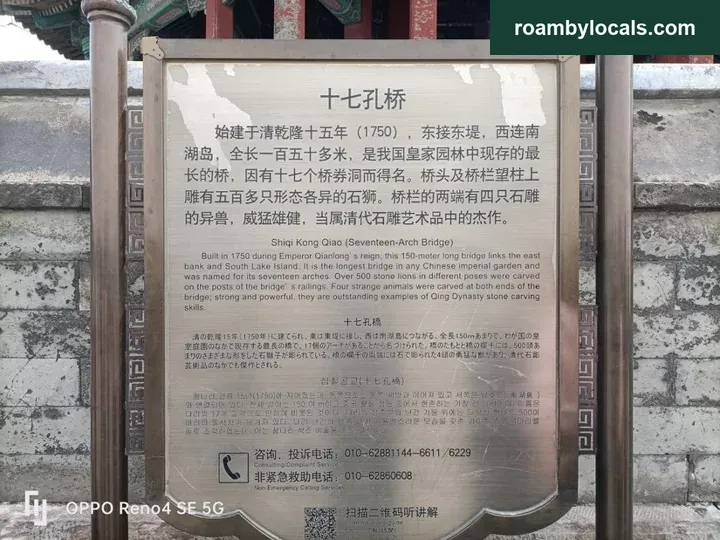
The Seventeen-Arch Bridge and South Lake Island.
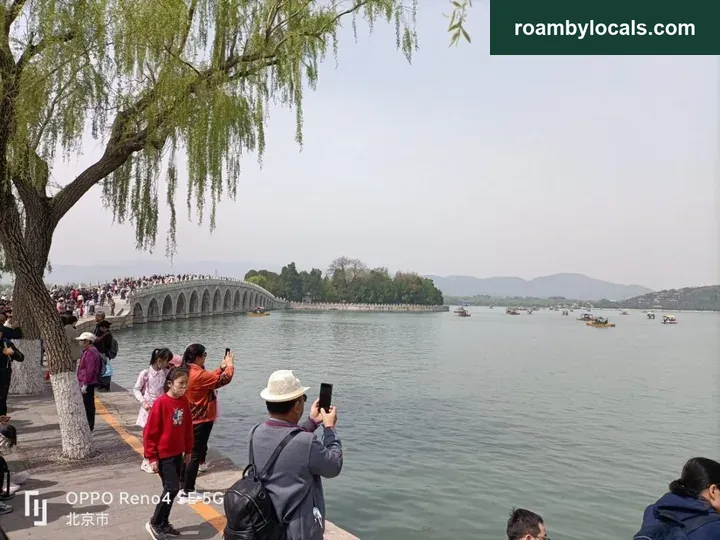
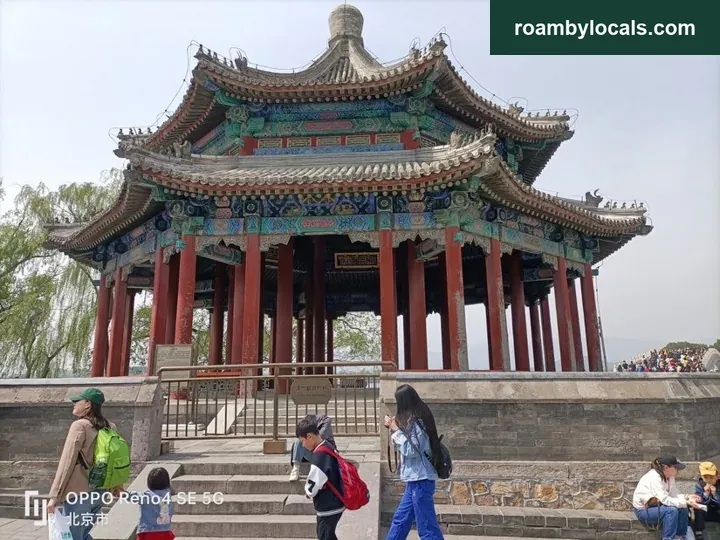
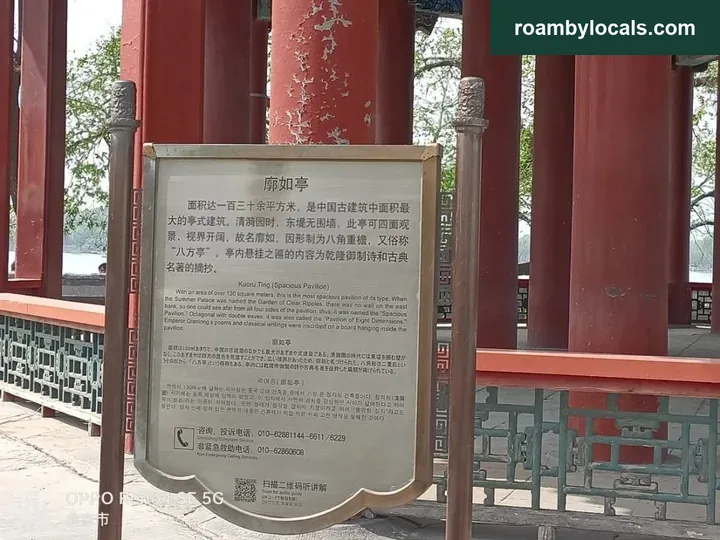
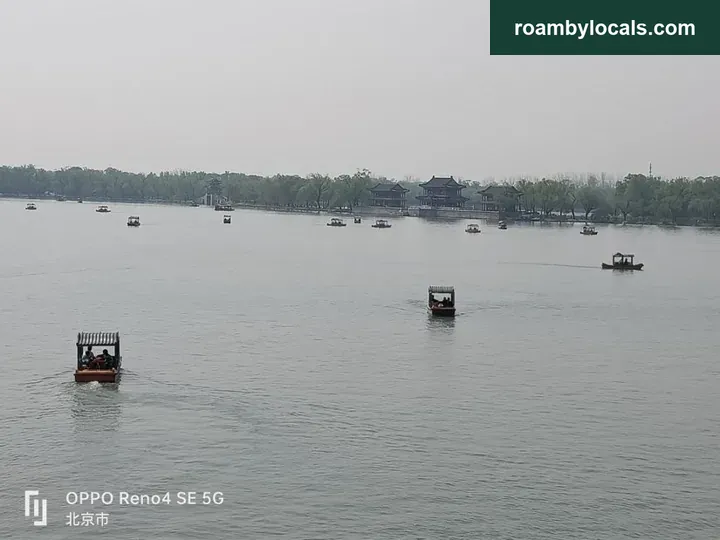
Standing on the Seventeen-Arch Bridge.
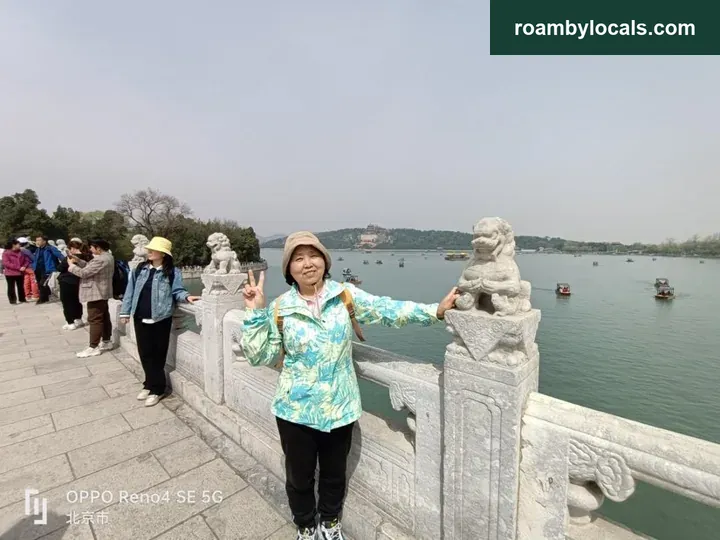
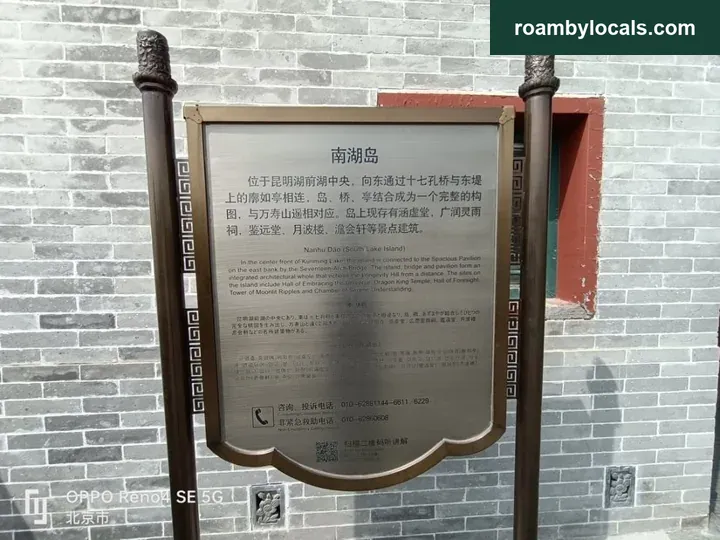
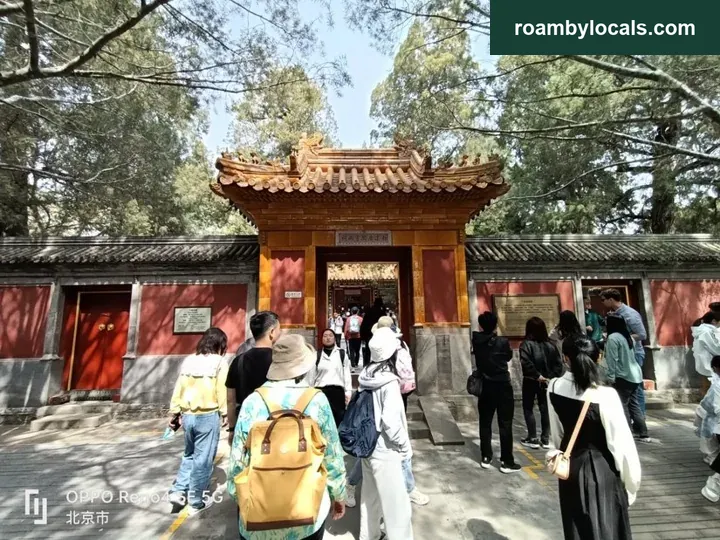
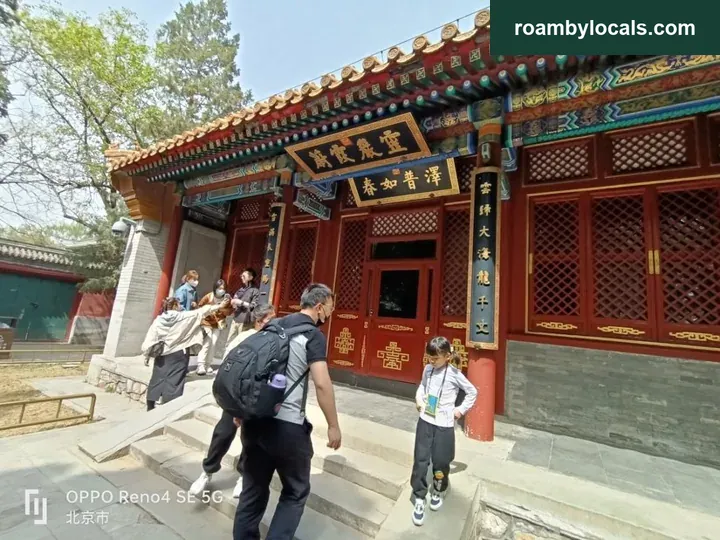
Continuing south along the eastern shore.
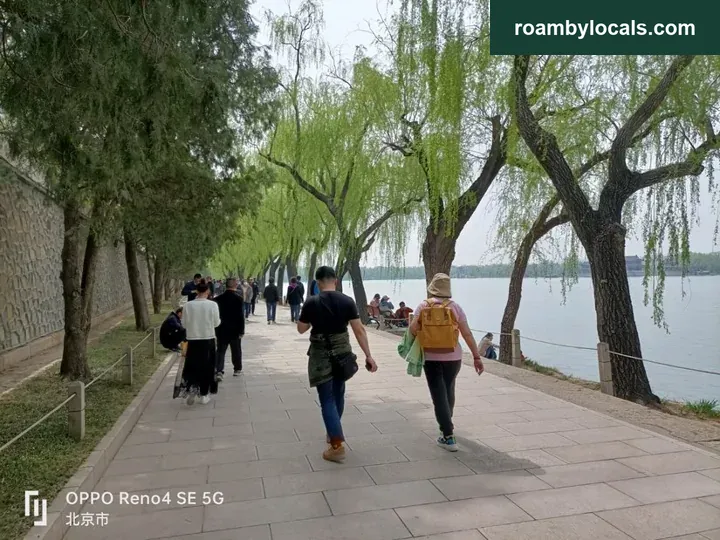
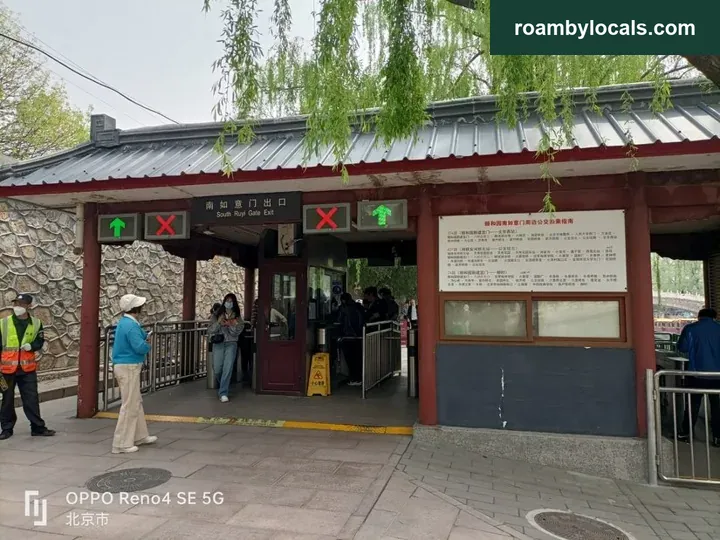
Following the eastern shore to the South Ruyi Gate exit, then turning left over the bridge and walking about 300 metres west, brought us to Kunming Lake’s famous Western Dyke.
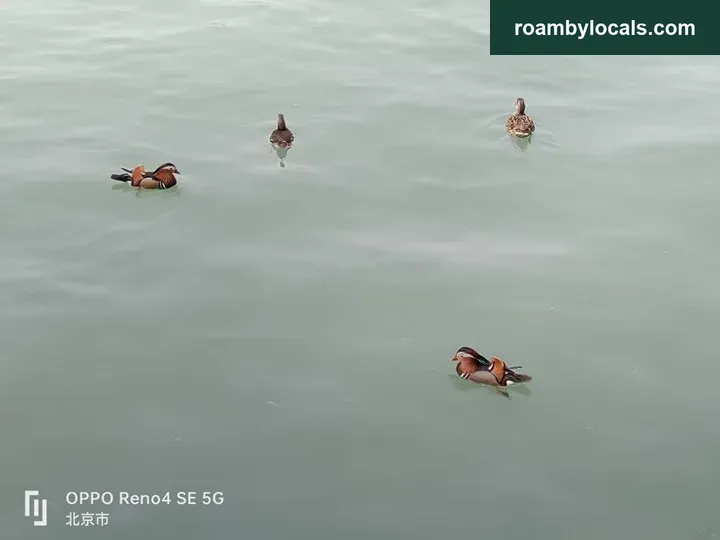
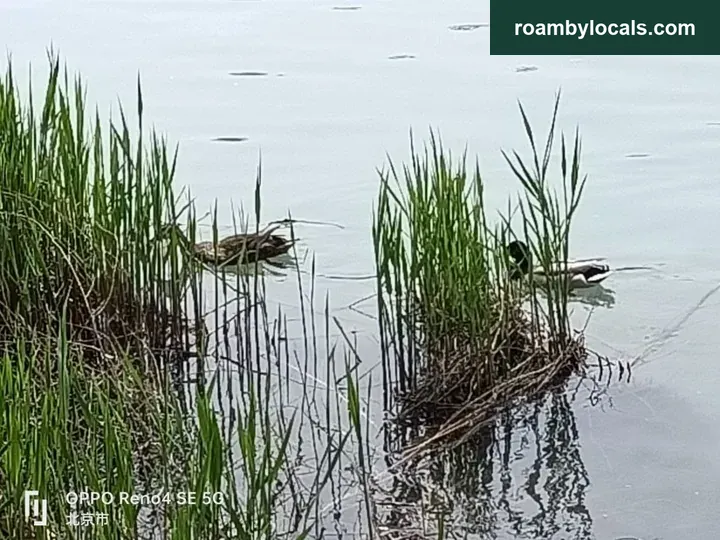
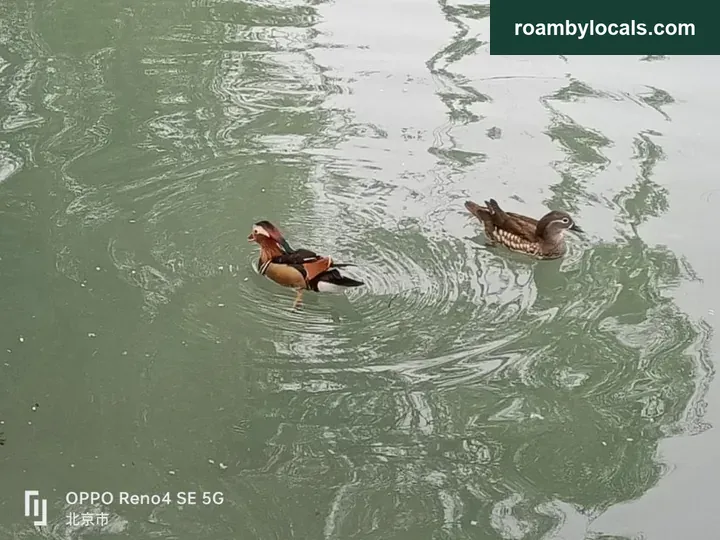
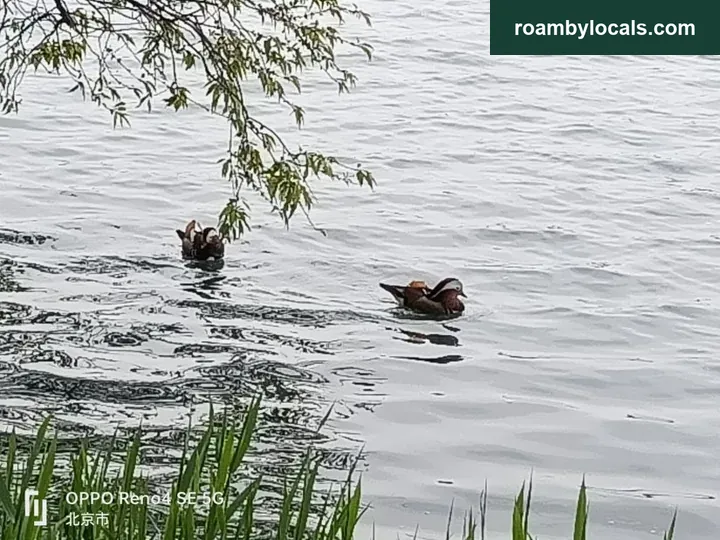
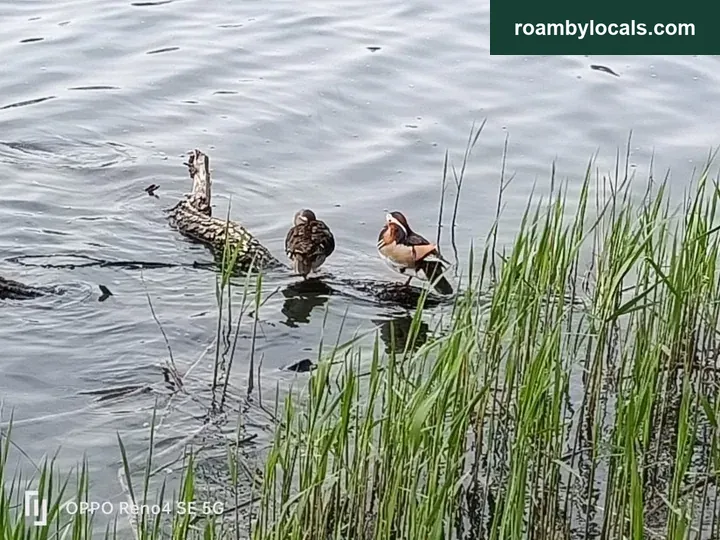
This apparently affectionate pair of wild ducks had a different story: the male had just fought a fierce battle. While we rested by the lake, two drakes suddenly chased and fought each other violently on the water. Another pair had invaded his territory.
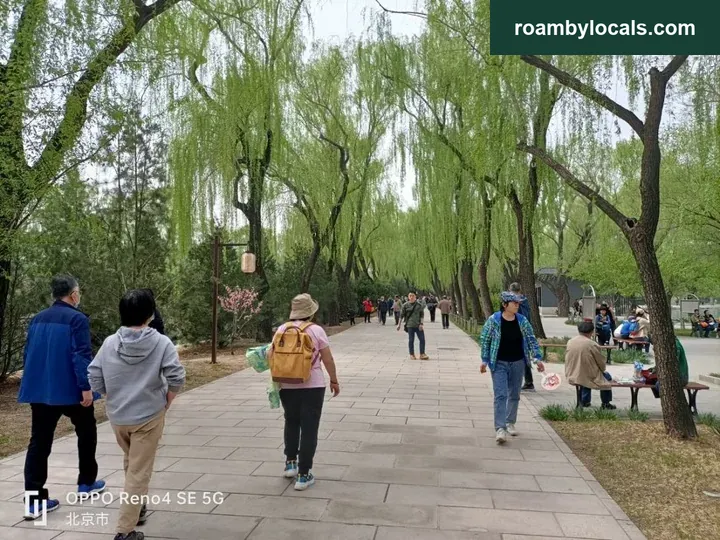
The Western Dyke and the return to Suzhou Street
Views of the Western Dyke.
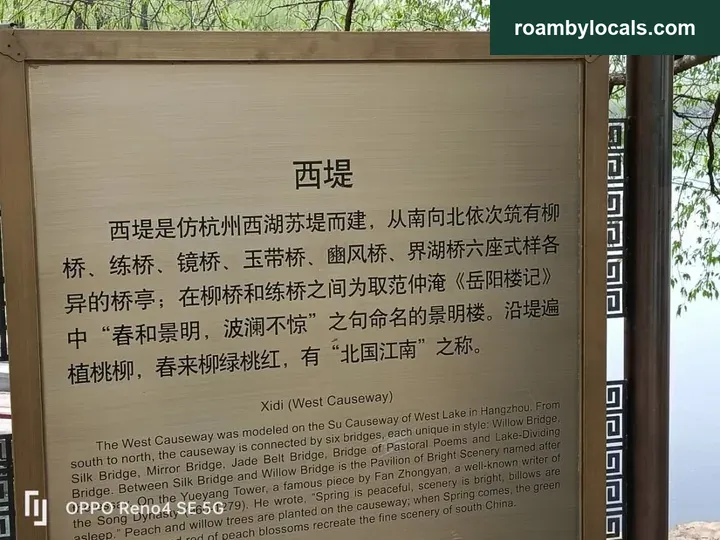
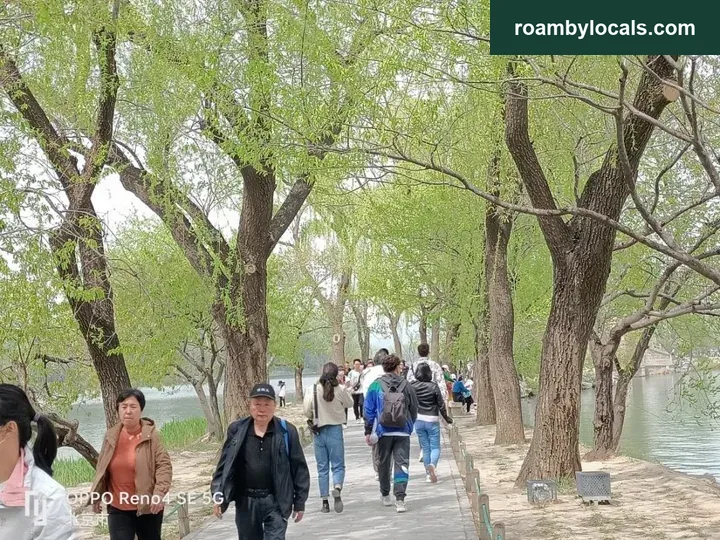
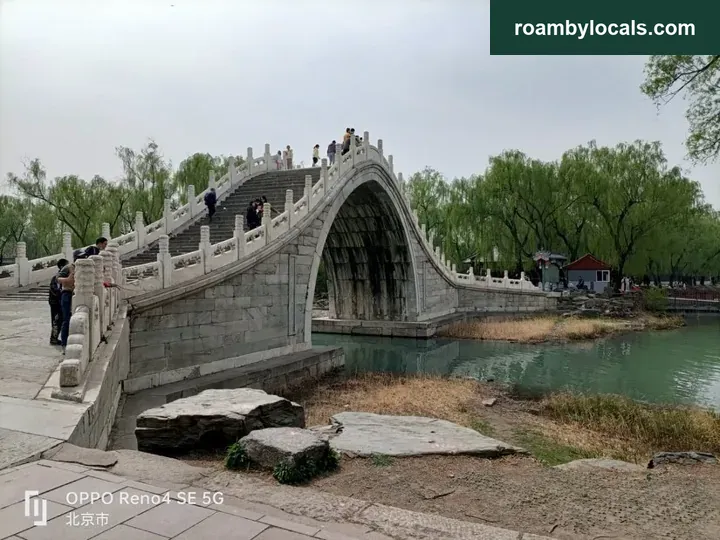
Willow Bridge.
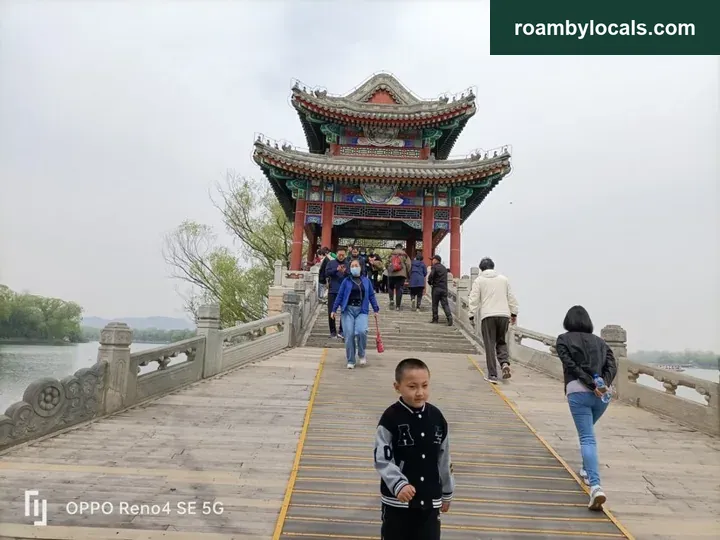
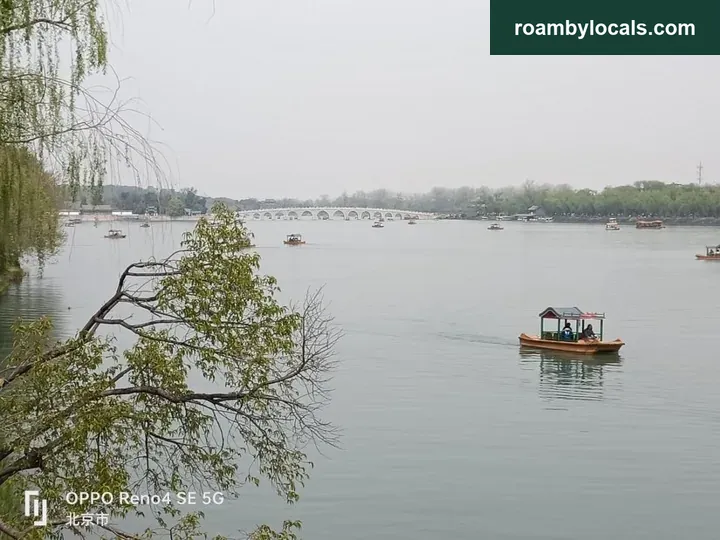
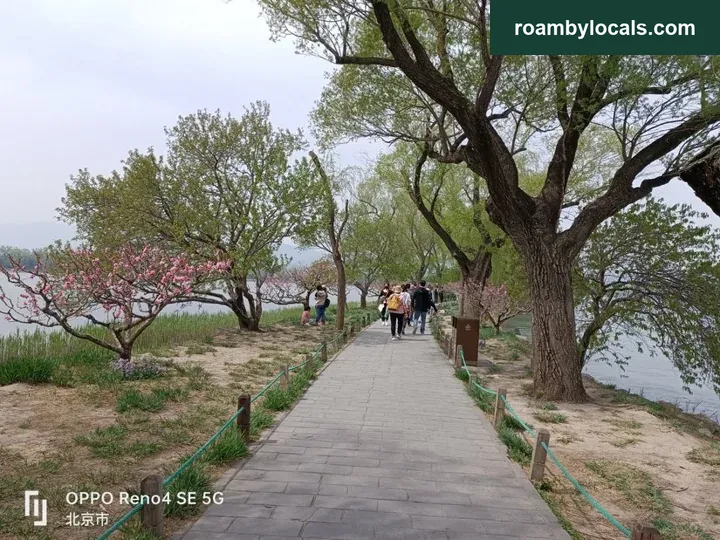
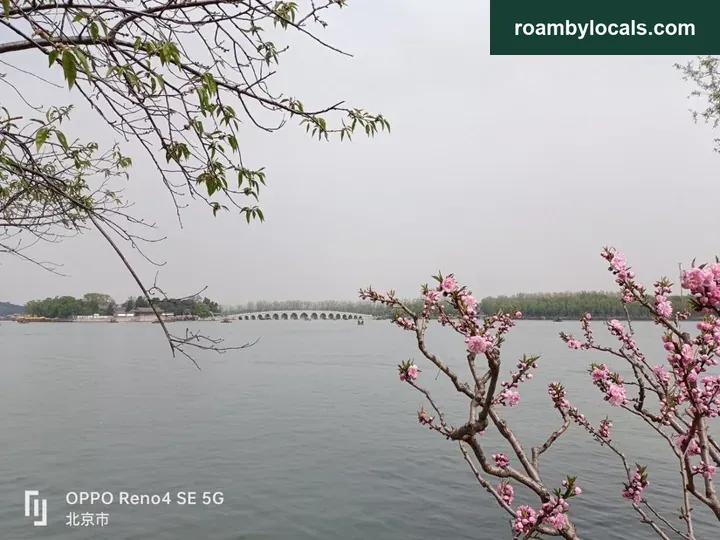
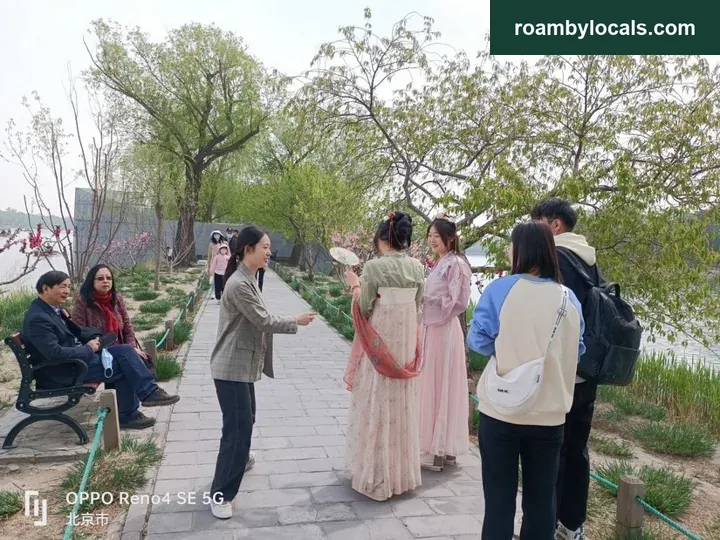
Ladies, is this the fan you dropped?
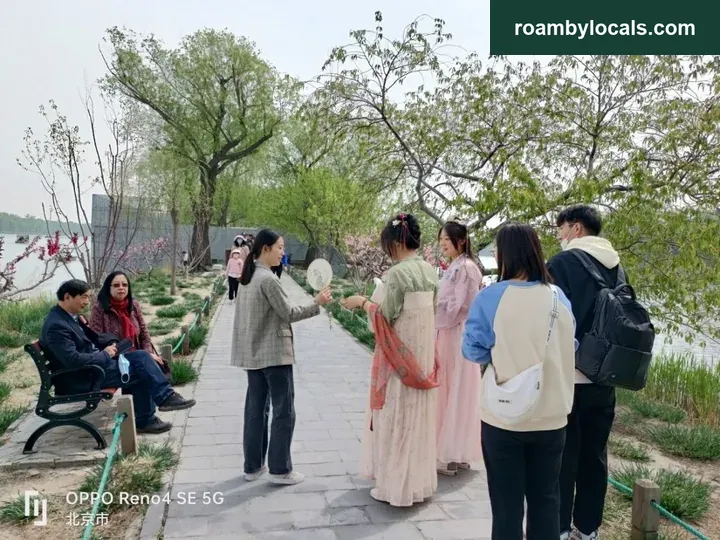
Yes, thank you!
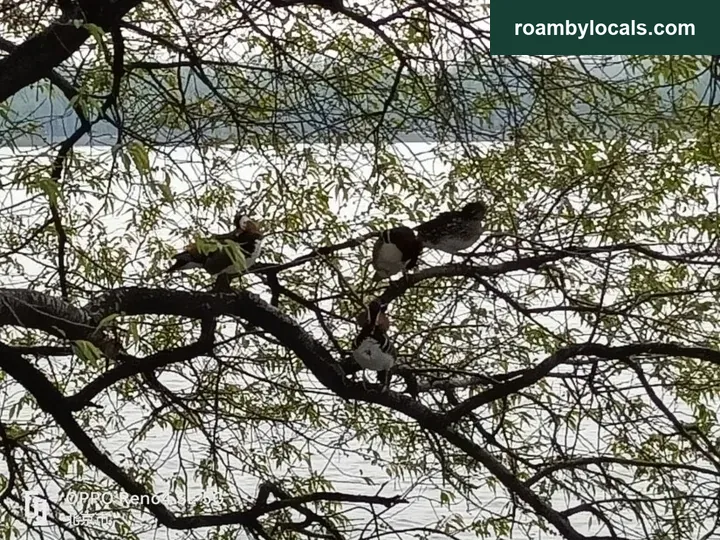
Mandarin ducks standing in a tree.
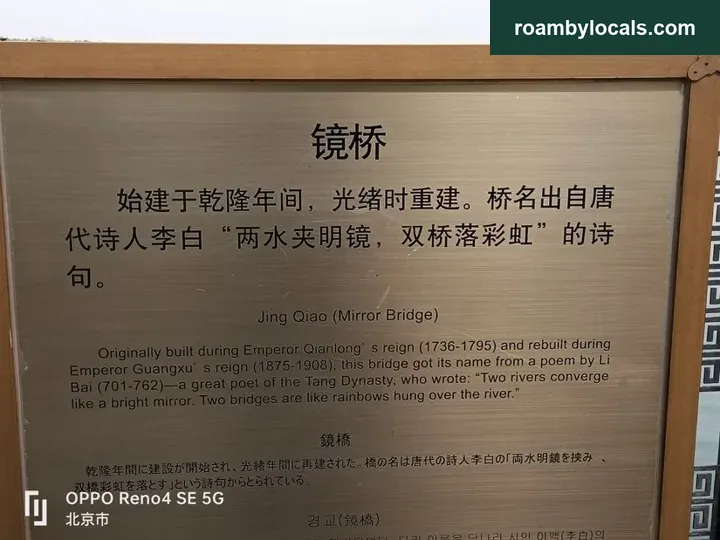
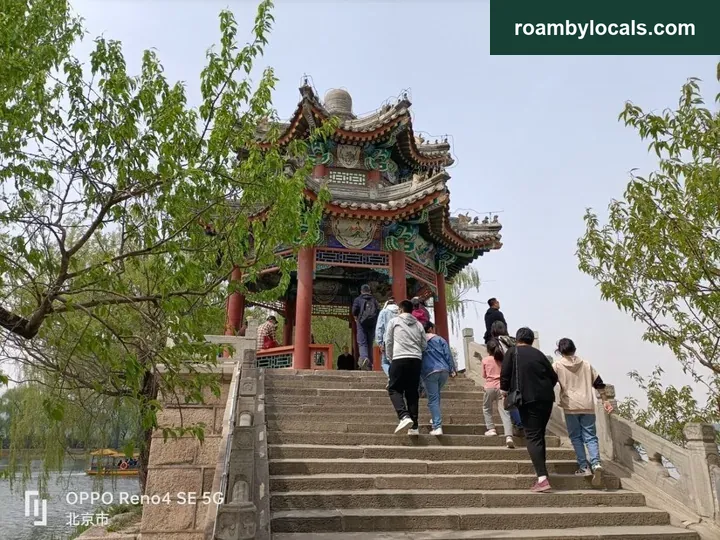
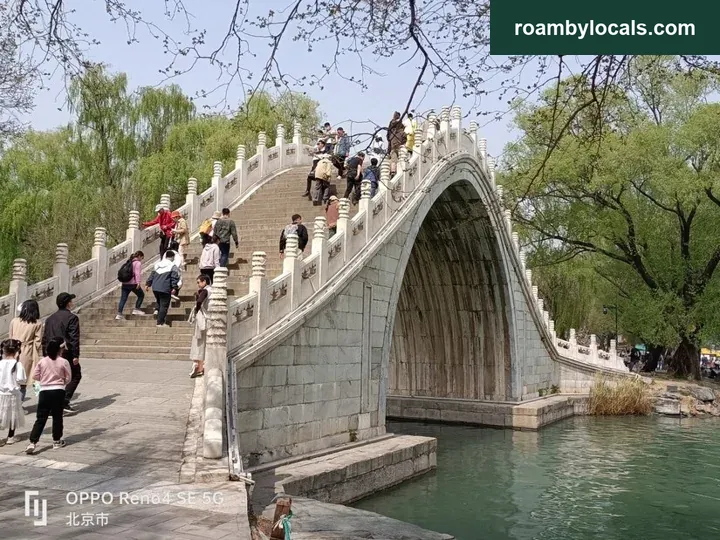
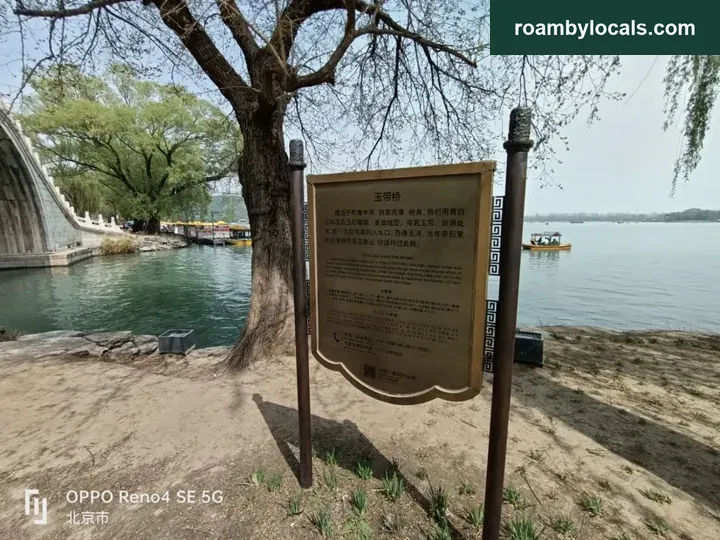
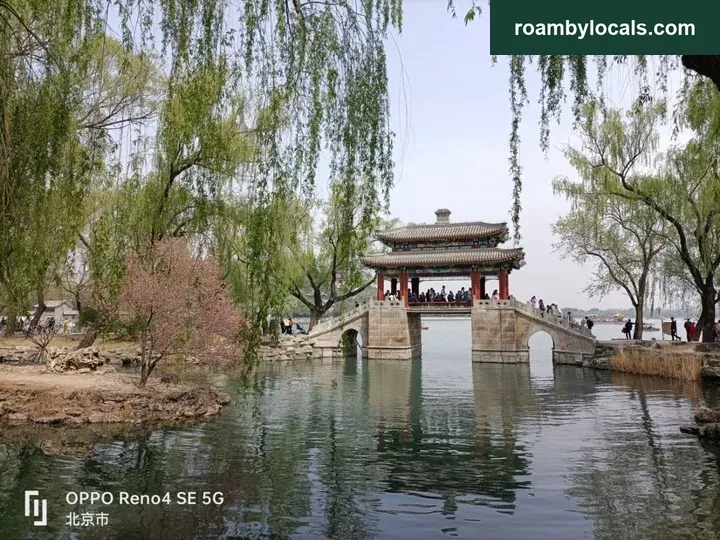
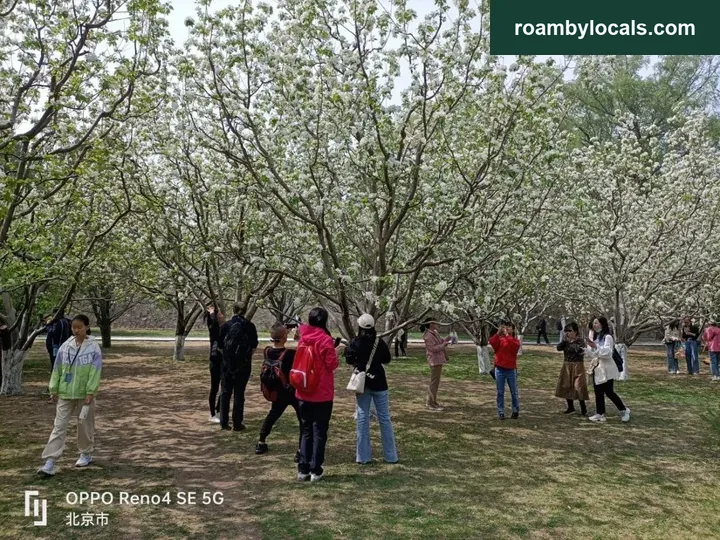
We followed the Western Dyke to its end, rejoined our earlier route and soon reached the park’s northern entrance. As it was still early, our son took us a little farther east of Suzhou Street before we returned and left.
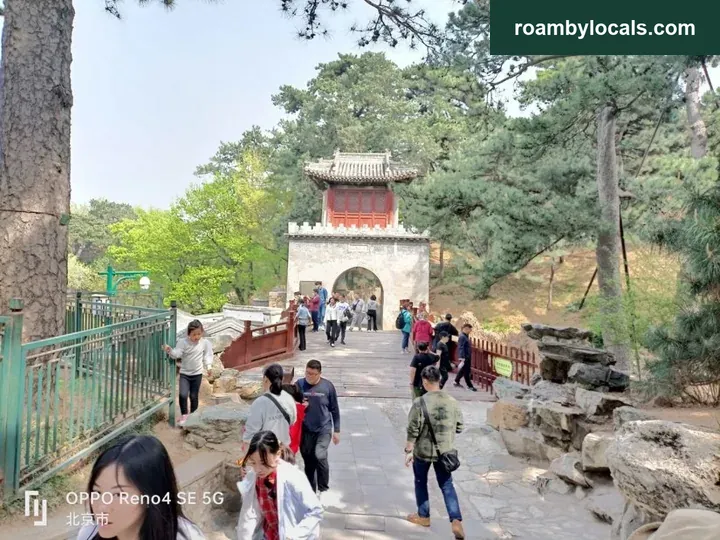
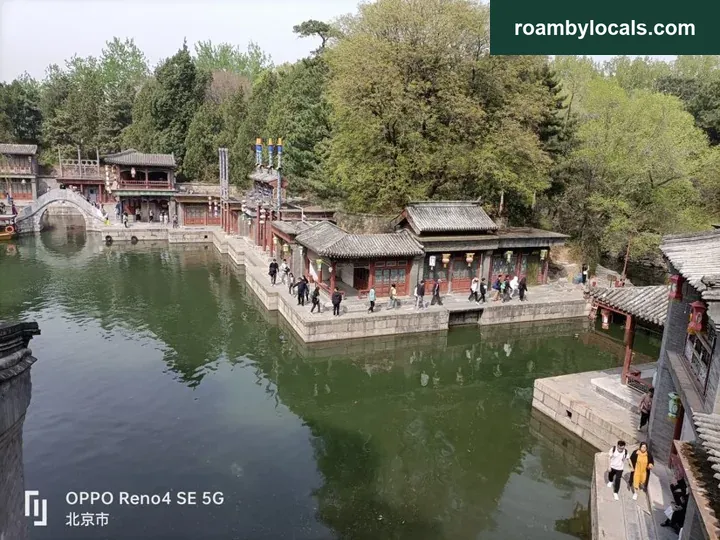
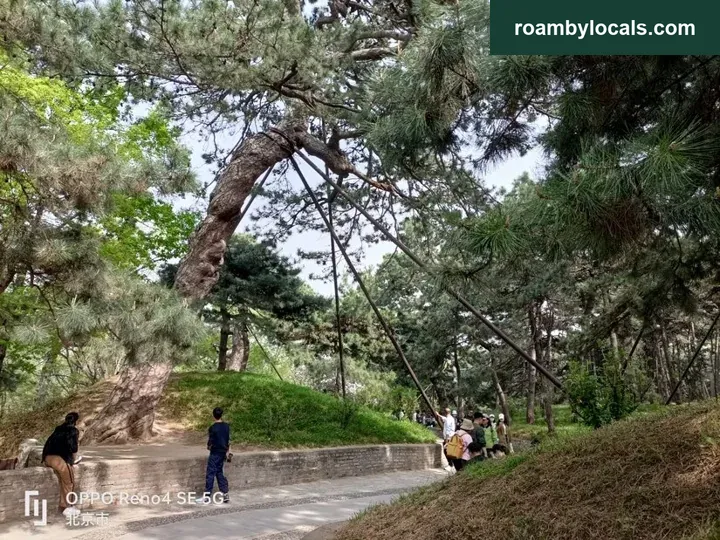
It is especially beautiful here in autumn.
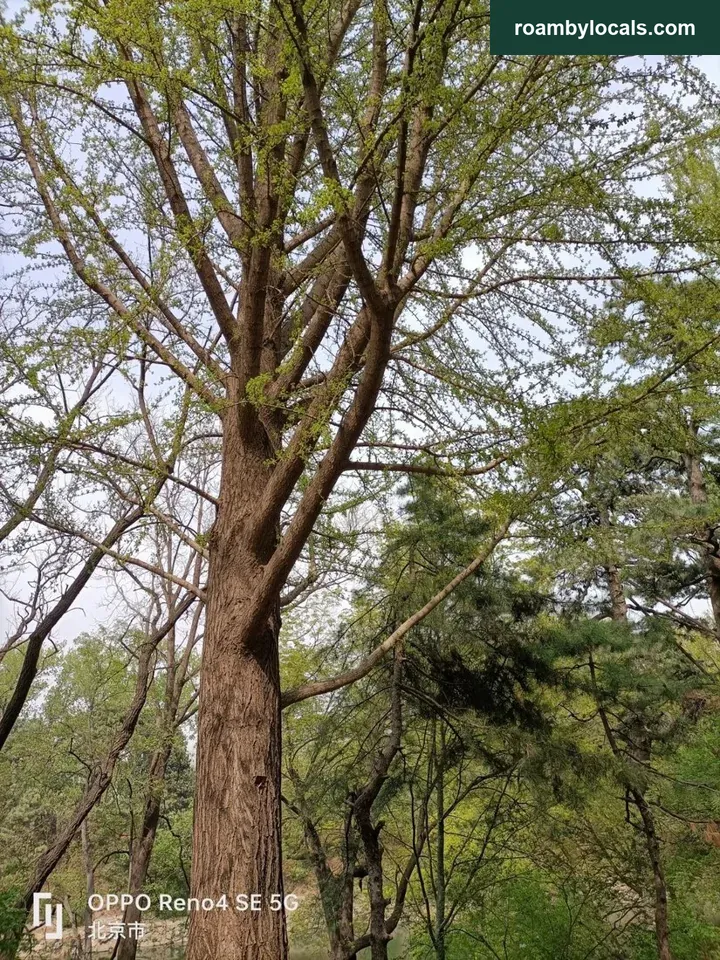
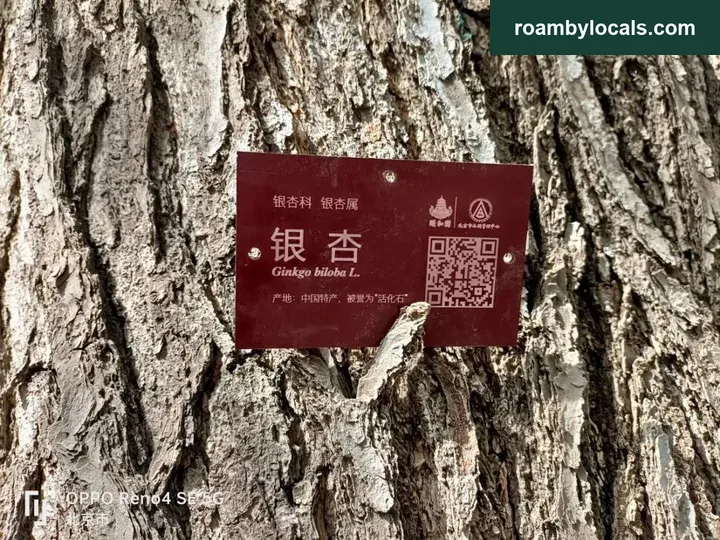
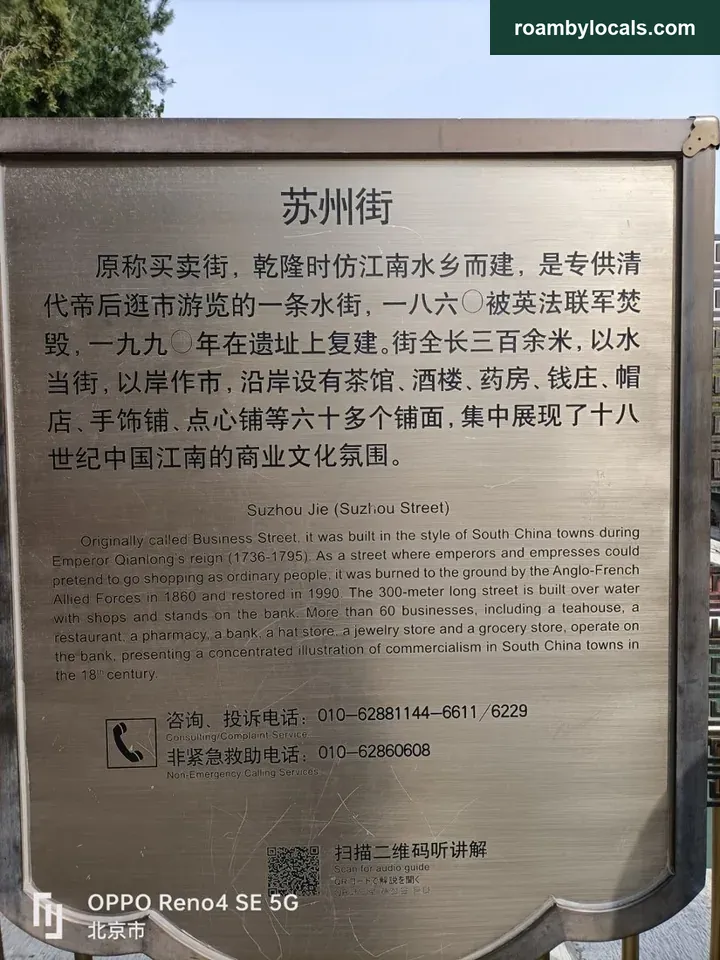
After the Summer Palace, we took the metro back again.
Dinner and crosstalk at Deyunshe
Back at the hotel from the Summer Palace, we rested for more than an hour. Our son had arranged an early dinner because we were going to a Deyunshe crosstalk show after seven that evening.
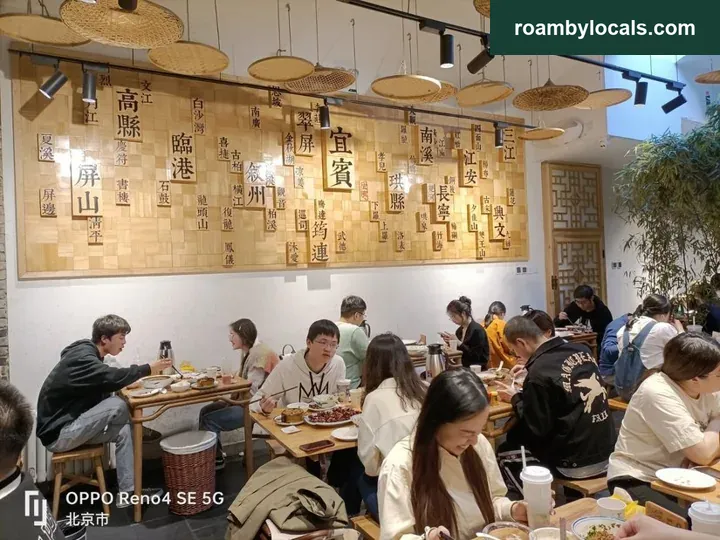
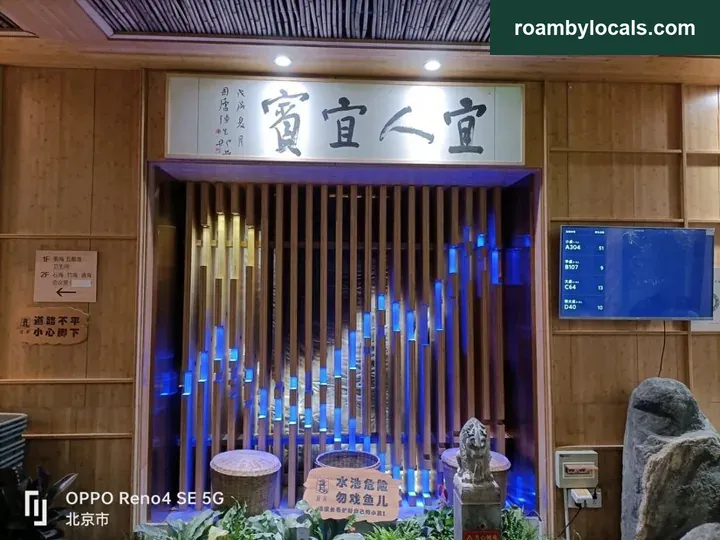
A particularly popular restaurant.
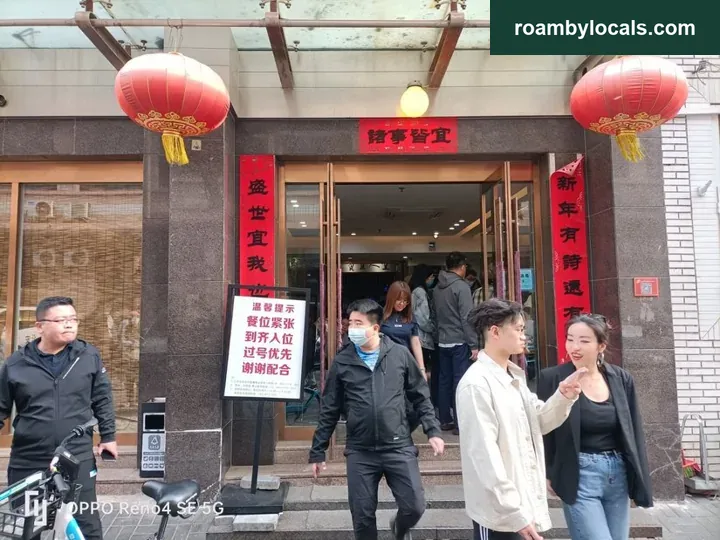
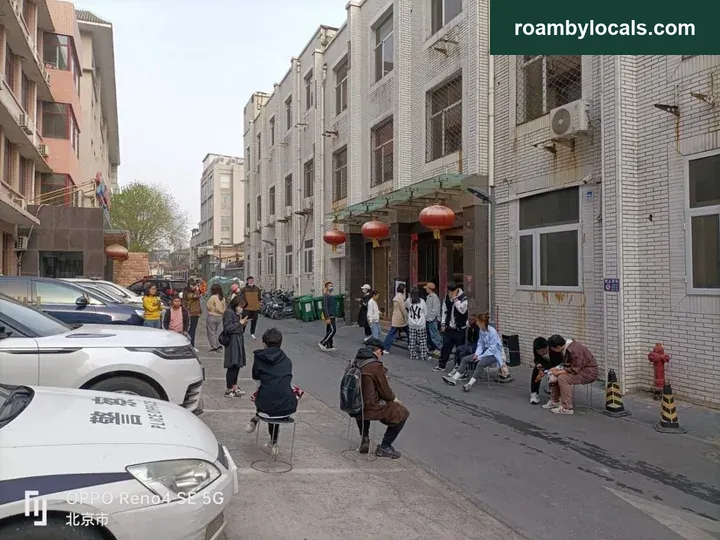
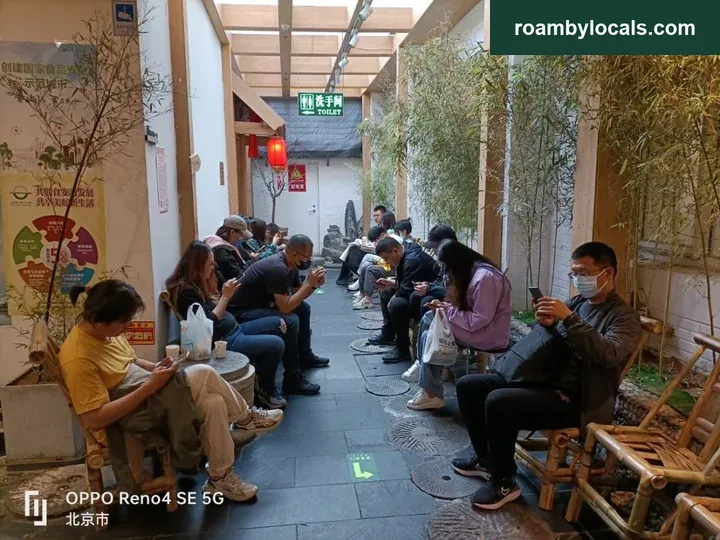
Customers queued both outside and inside to order their meals.
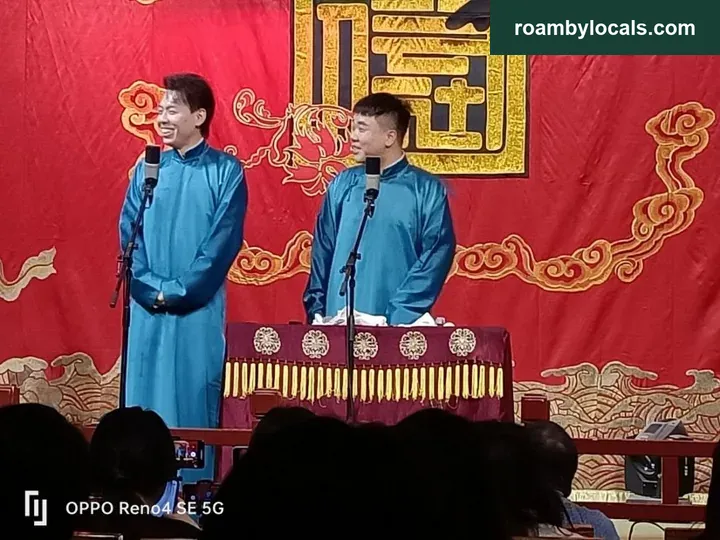
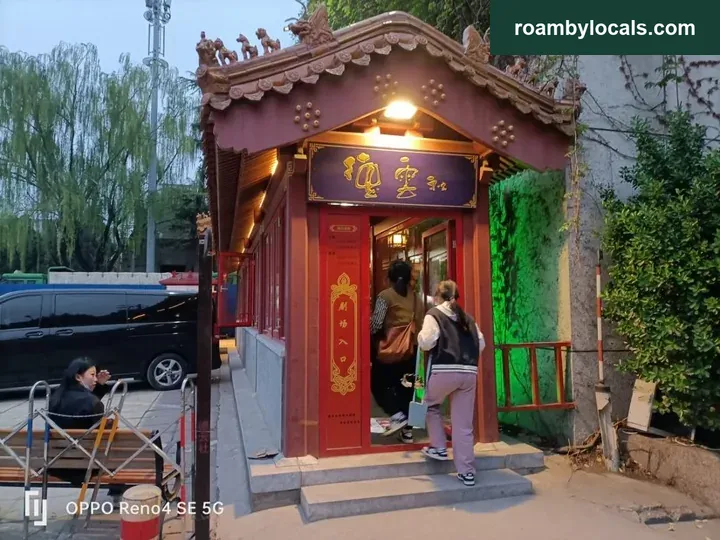
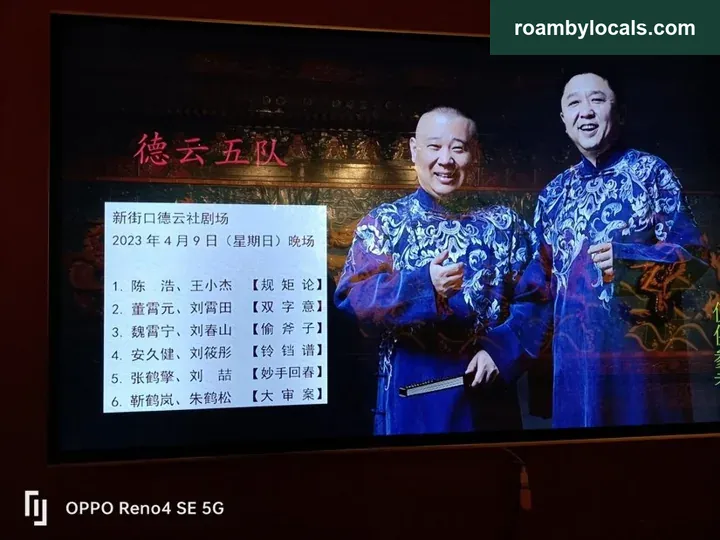
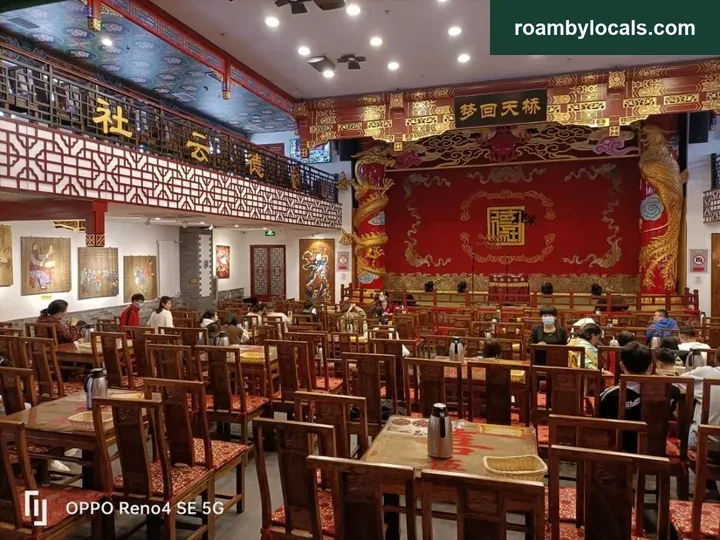
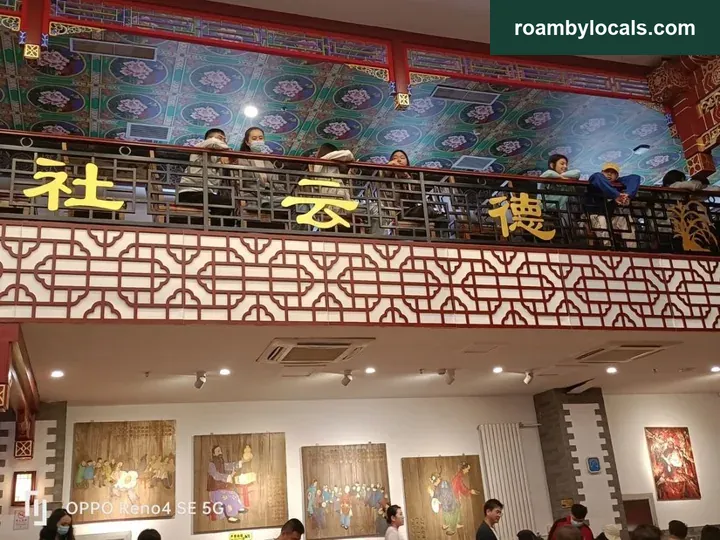
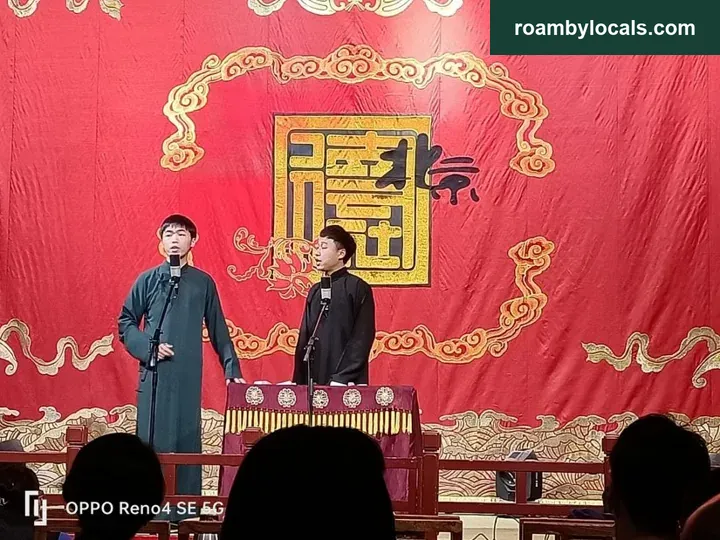
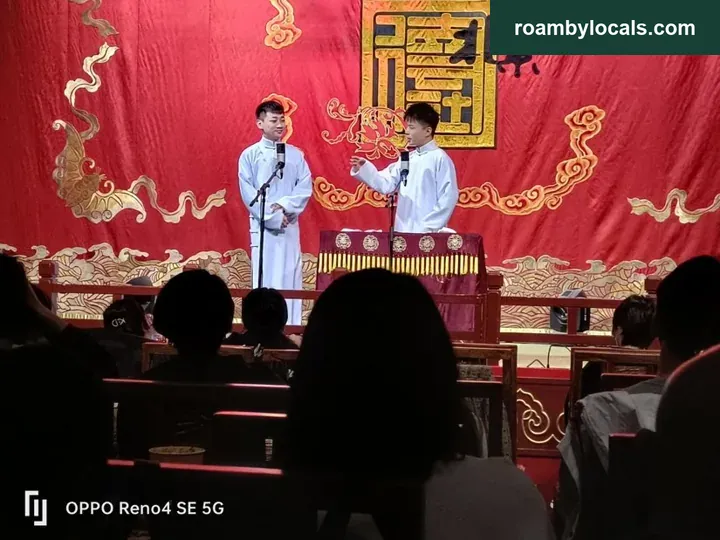
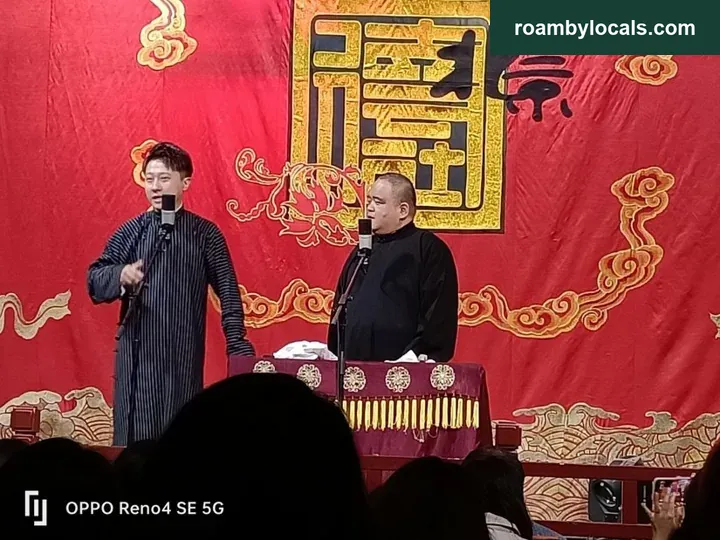
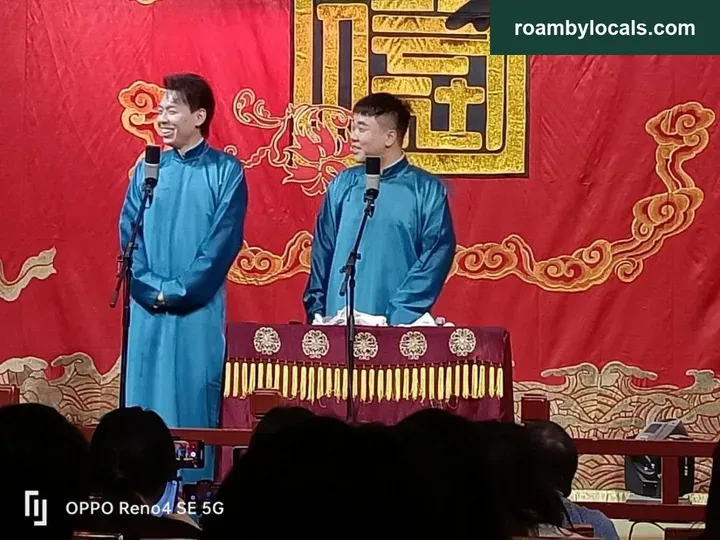
Listening to crosstalk at Deyunshe. Do not ask whether we saw Guo Degang: performers there said they had never seen Boss Guo themselves! Still, the crosstalk was very good. There were six routines, starting at 19:30 and not finishing until 22:30.
(Author: 575522017)