A photograph from 1986
I had not intended to write this account: it was only an ordinary day’s cycle ride. But suddenly remembering an outing to Sheshan more than thirty years ago made me want to write something. About 37 years have passed since that outing. Although I have climbed Sheshan several times since, I never thought of writing about it. Perhaps getting older leaves one’s thoughts lingering over the past. I remember a day late in 1986 when some of our university classmates organised a Sheshan outing. The hill is not high; young and fit, we reached the church in no time. Neither the church nor the observatory was open then, but of course we wanted a photograph. I took out my compact camera and found that the preloaded Sakura 135 daylight colour film would not advance. The entire group was waiting for this camera: if it failed, I would have ruined things. I could open it, take out the film and reload it myself, but without a changing bag the earlier pictures would be exposed. In desperation I ran back down with the camera. Fortunately, there was a photography shop at the foot of the hill. I called on the staff to open the back and reload the film, then climbed up again to take the picture. Being young, I did not even tire of all that running, and we finally got our group photograph. In those days you had to set aperture and shutter speed, wind the film, remove it, develop it and enlarge the prints. Nobody knew how a picture would look until it was processed, like opening a mystery box. Closed eyes, a shaking head, a grimace, an awkward pose or a wrong exposure meant hoping for another chance. With a group photograph, who knew how many years that might take? There might be another reunion, but our moods, voices and smiles would be different. Now a phone shows the result immediately; an unsatisfactory picture can be deleted or retaken. Social development and technological progress have made life convenient: freezing a beautiful moment and recording fragments of life are effortless, while beauty filters make everyone look polished and radiant. Without photographs, those experiences really would fade into blurred memories. The significance of a photograph lies in the future rather than the present. The older I get, the more sentimental I become. What a lot of rambling nonsense I have written.
Sheshan and Xu Xiake
This visit brought new discoveries. Emperor Kangxi also came here on his southern travels and named it Lansun Mountain. Poems praising Sheshan line one side of the hill, another new attraction. Xu Xiake, forefather of travellers, visited Sheshan 4 times and began his journey to Yunnan here. That was his final long journey, lasting 4 years, the longest of his life. Local scholar Chen Jiru, 29 years his senior, gave him much help for the southwestern journey. Xu Xiake’s original name was Xu Hongzu. Because he ate and slept outdoors and spent so long in the mountains, his older friend Chen Jiru gave him the name Xiake. Today everyone knows Xu Xiake, but most do not know his original name.
The church and observatory
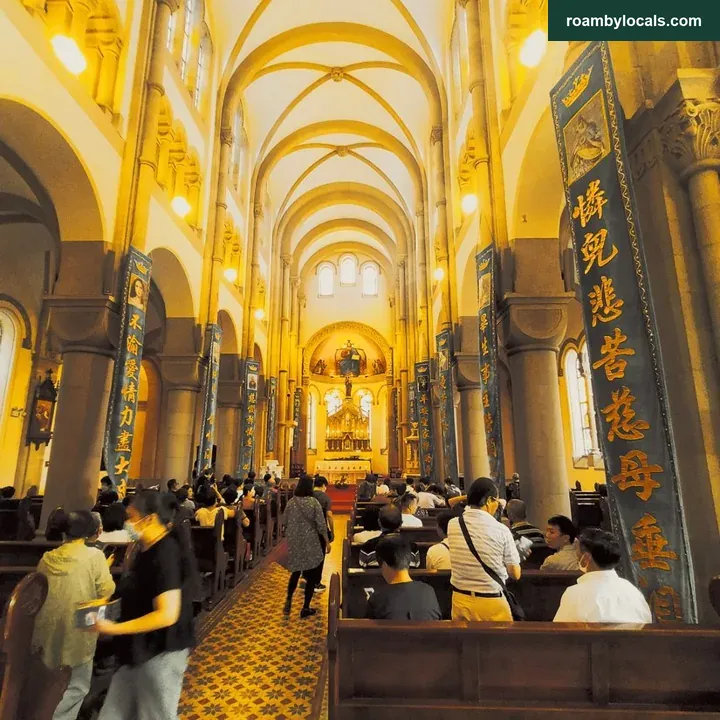
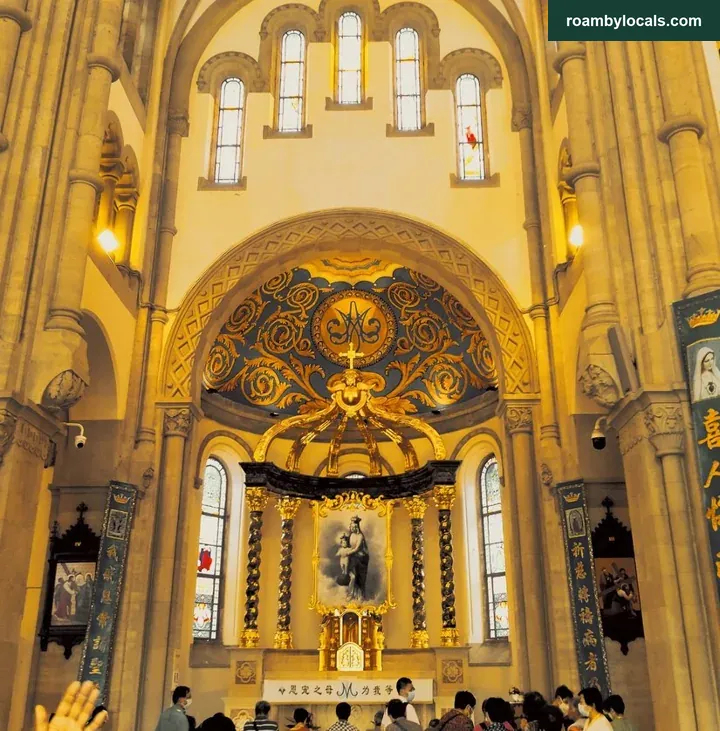
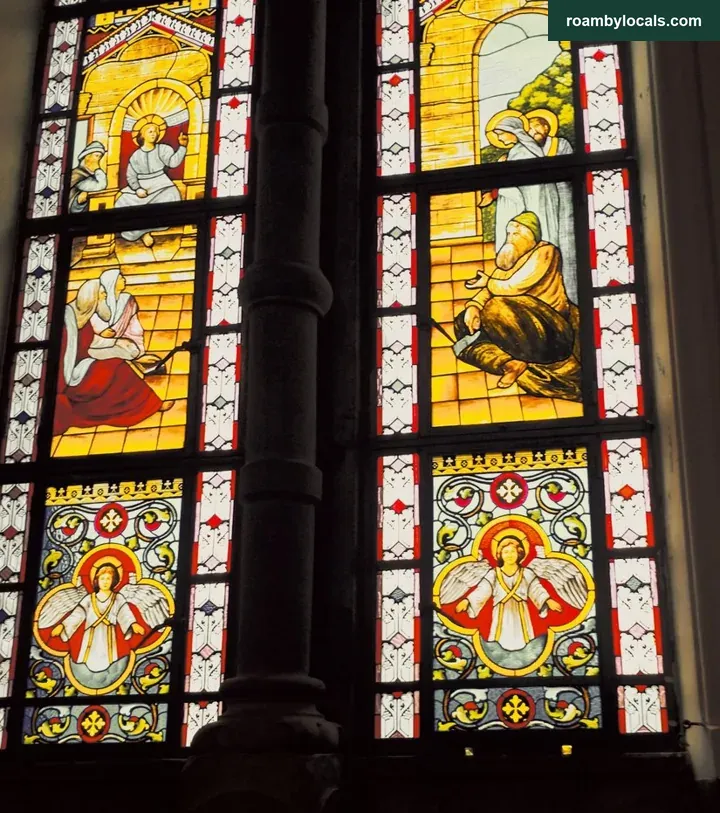
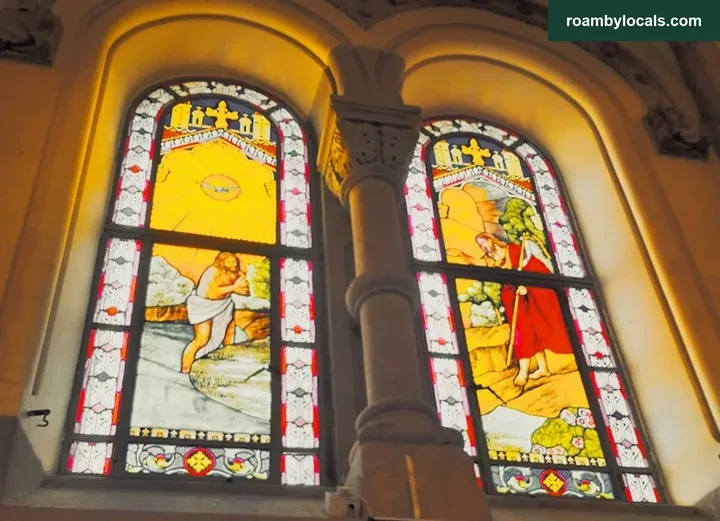
The church on the summit was once the foremost church in the Far East, a status conferred by the Vatican, an honour beyond that of ordinary churches. Mass was under way on Saturday, with a sign at the main entrance barring tourists, who could only peer inside. Walking around the outside, I found a rear entrance and went in beside the toilets, reaching a secluded corner at the back of the hall. I was admiring the hall and stained-glass windows when an eagle-eyed steward spotted me and came to send me away, saying only worshippers could enter that day. I wanted to argue: I had only hoped to sit briefly and feel the consolation and atmosphere of the Holy Spirit. But one must not raise one’s voice in a sacred place or disturb God and the devout. There was no time for a closer look. I thought myself luckier than those outside: at least I had entered. One must not be greedy; take what one can and stop. I hurriedly took a few pictures to study later and left sensibly, thinking that abroad churches have nobody policing entry: if you enter quietly and disturb nobody, you are not driven away.
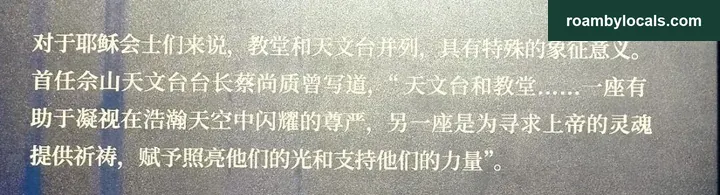
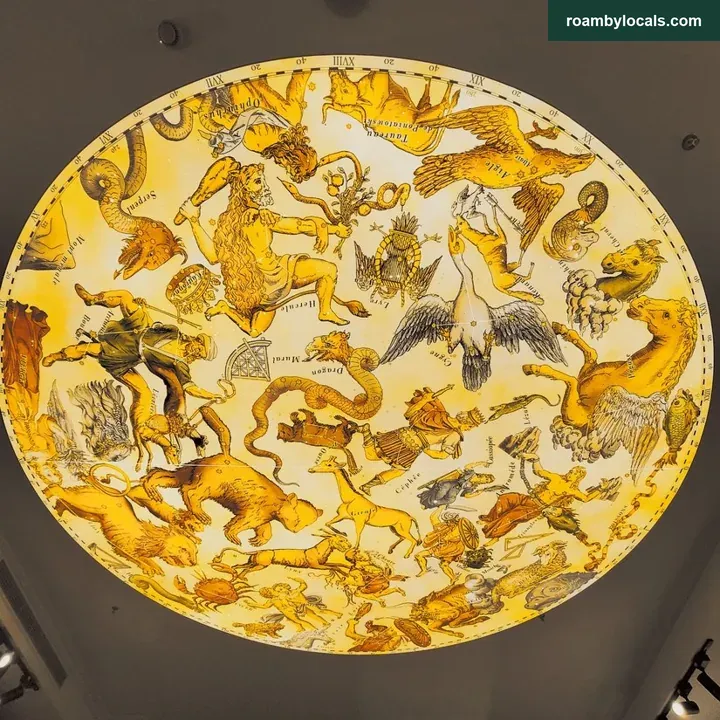
The hilltop observatory was completed in 1901. The astrographic optical telescope ordered from France has an aperture of 40 centimetres and a focal length of 7 metres; it is now displayed in the astronomical museum. Sheshan is surrounded by waterways, and evaporating moisture affects astronomical observations, making the site less than ideal. Yet Shanghai has no high mountains; the bedrock here can support the telescope better than the plain’s soft soil, so this was probably the best site available. Admission to the observatory museum cost RMB 12. It would be a good place to bring children, and is worth seeing even for adults. But astronomy is profound: meridians, longitude, latitude and the ecliptic are just about understandable; more advanced topics can probably only be grasped in outline. A passage from Cai Shangzhi, the first French director, in the museum is worth pondering: ‘The observatory and the church: one helps us gaze at the majesty shining in the vast heavens; the other offers prayer to souls seeking God, granting the light that illuminates them and the strength that sustains them.’
A poem after the visit
Reflecting on Cai Shangzhi’s words, I wrote the following to close this short account.
Climbing Sheshan on the Third of June
Listed as Shanghai’s highest hill,
Yet barely over a hundred metres high.
A mountain’s spirit need not depend on height;
A church and observatory crown the summit.
Neither God nor heaven seems far away.
Ask the divine, explore the sky, seek omens;
Choose good fortune, avoid ill, look for guidance,
Hoping to grasp the years ahead.
Cleanse the soul and attend Mass:
This must be the most fitting place.
East and West Sheshan join end to end,
Like brothers leaning on each other,
Or lovers looking into each other’s eyes.
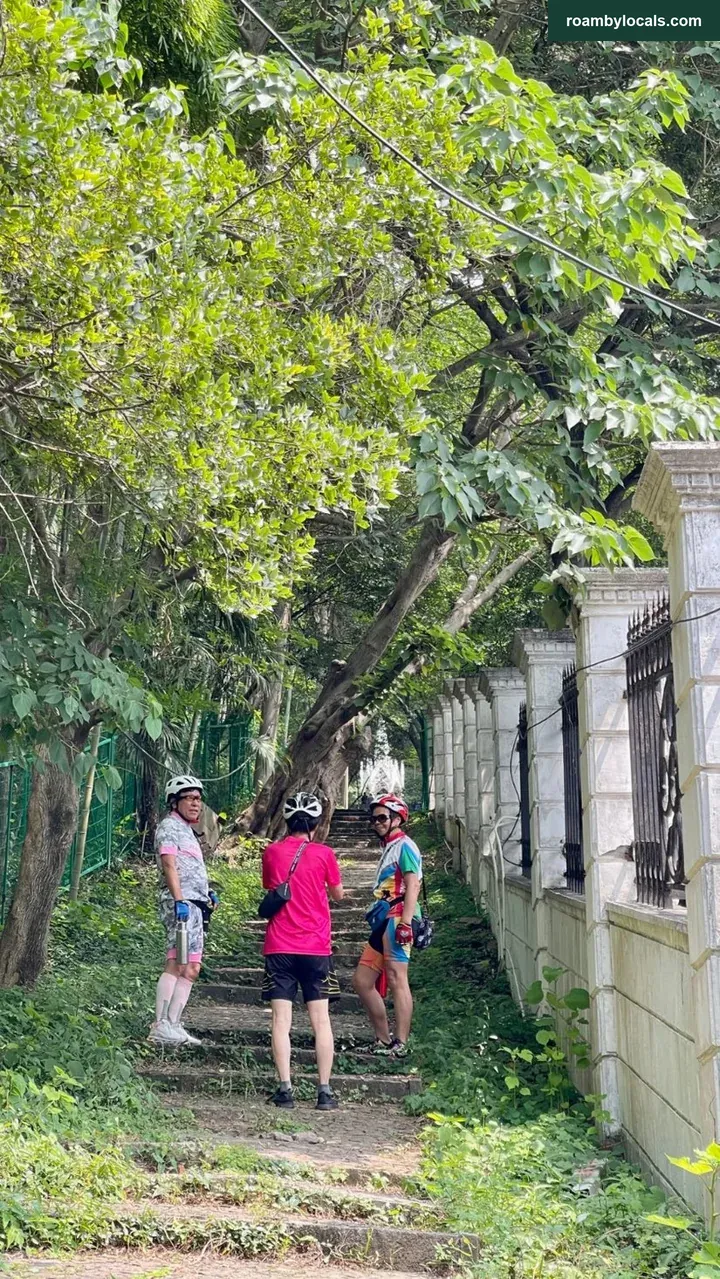
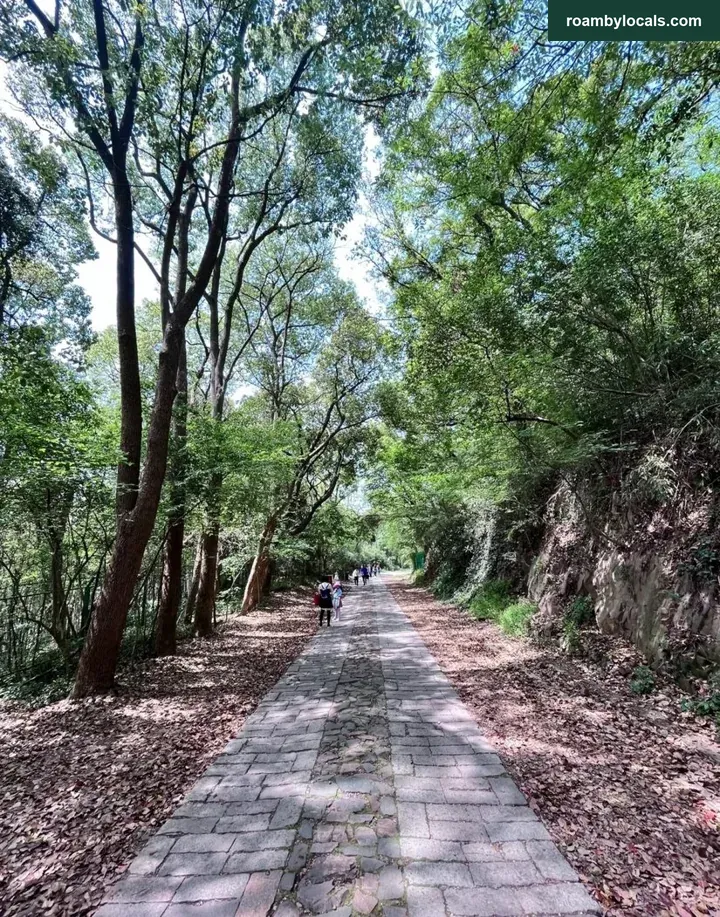
The climbing paths lead straight to the top.
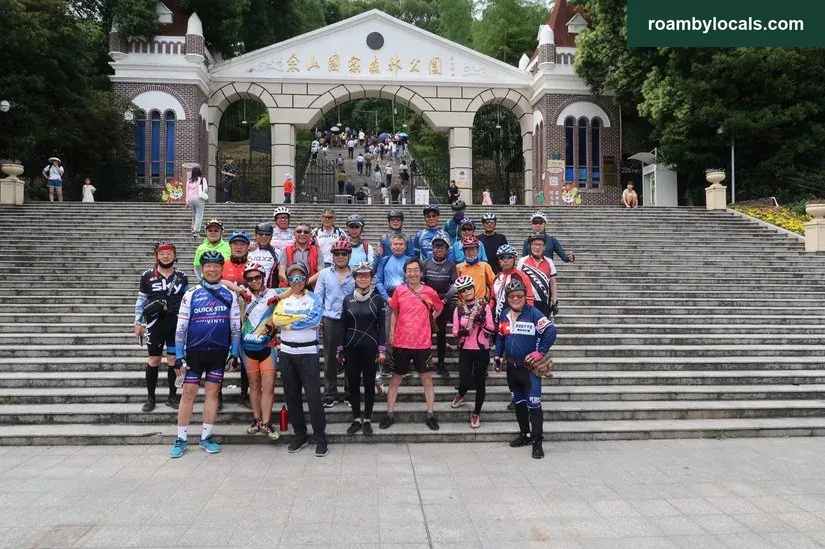
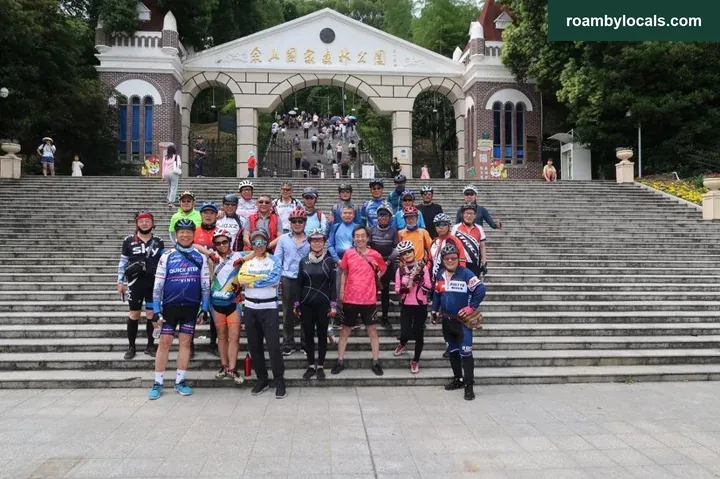
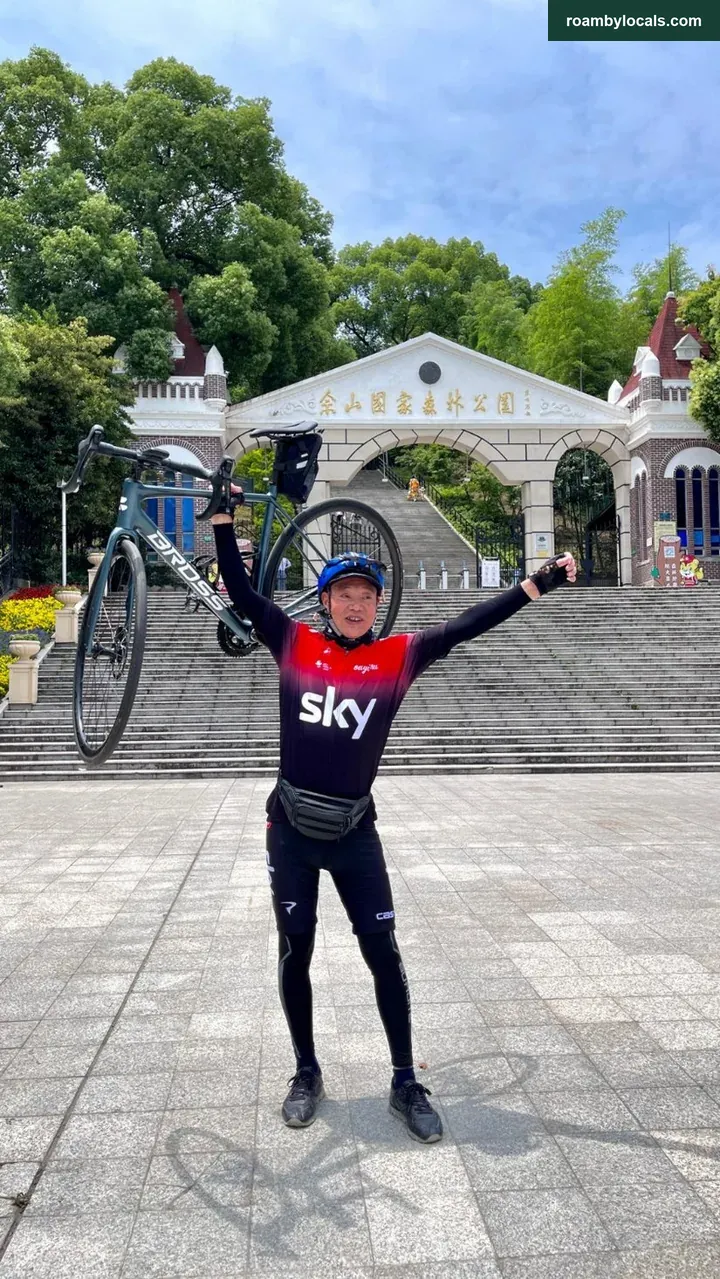
Our Dapu cycling friends have strong legs,
Every one of them skilled and capable.
A swift ascent displays their strength;
A slow climb shows their leisure.
Gaze far across the patchwork paths,
Point over the land with bold spirit,
Talk and laugh, full of happiness,
Pose for photographs to remember.
Turn the page on the pandemic past;
Let us not speak of sorrow and pain.
Shake away the dust and bad luck,
Say farewell to dejection and gloom.
Borrow two lines from the great leader:
‘The Golden Monkey rises with his mighty cudgel;
The jade heavens clear of ten thousand miles of dust.’
Place hope in beauty and the future.
Send the plague god and virus into the furnace,
Burn and roast them out of existence.
The fortunate wear fortune on their faces.
May you cycle often in daily life;
Riding in a line, our team looks grand.
Front wheels and rear wheels chase each other,
Spinning joyfully like prayer wheels.
Each turn brings another blessing;
Each circuit adds a little luck.
May Jesus and the Holy Spirit bless you;
May bodhisattvas and arhats lend you strength.
Amitabha and amen,
Quiet prayers for blessings in sacred halls,
Cultivating good fortune and luck,
Gathering health and peace,
With friendship alongside as well,
Immune to every poison, heading for a hundred years.
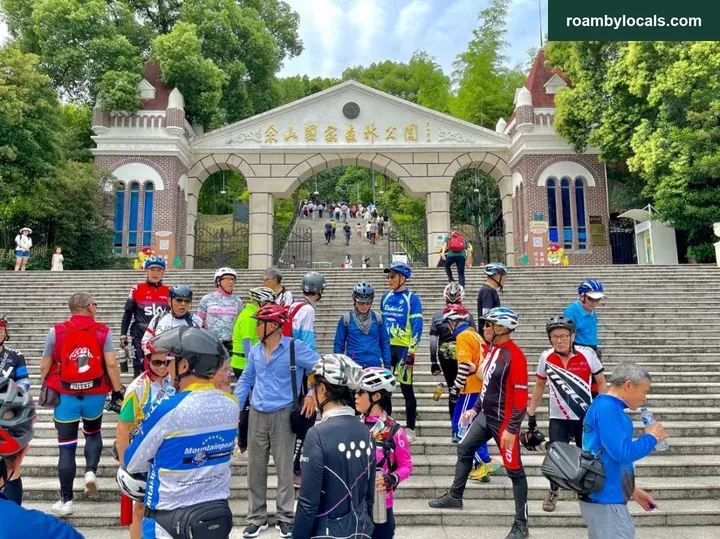

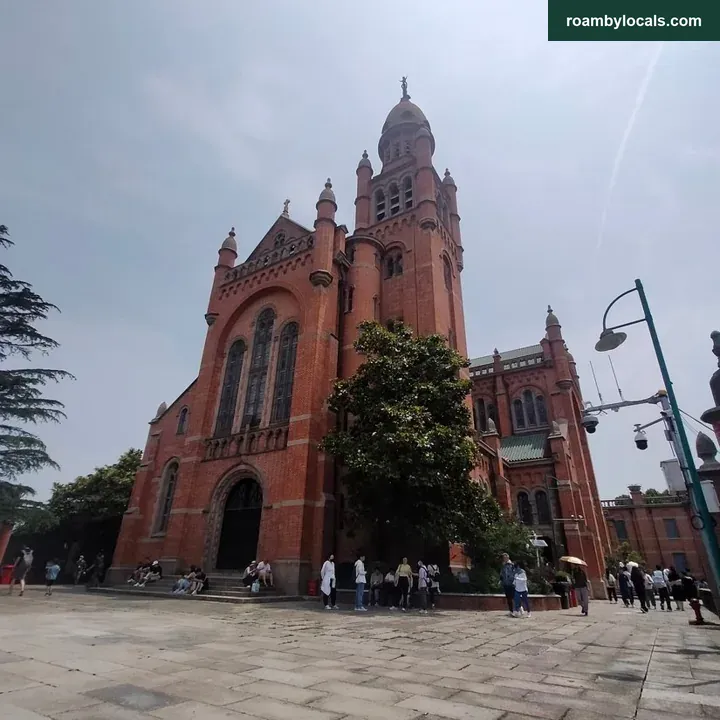
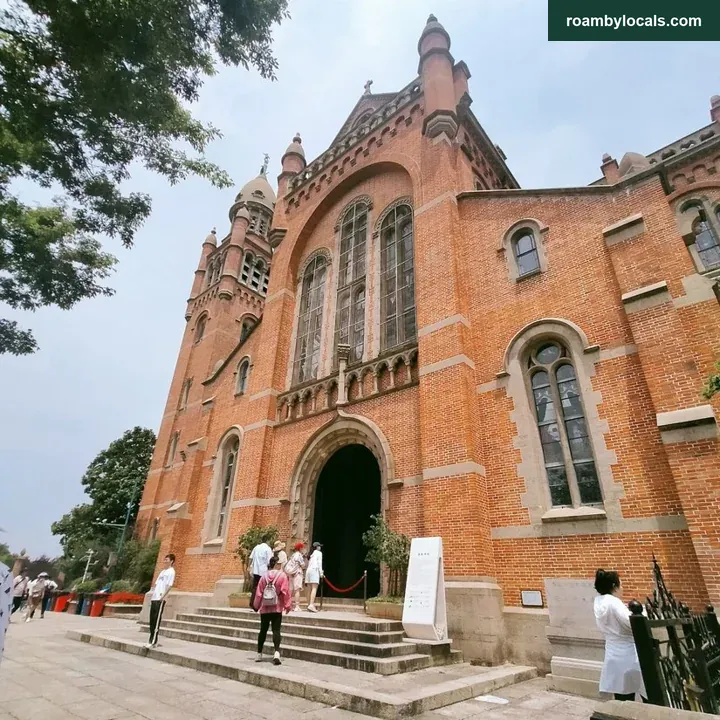
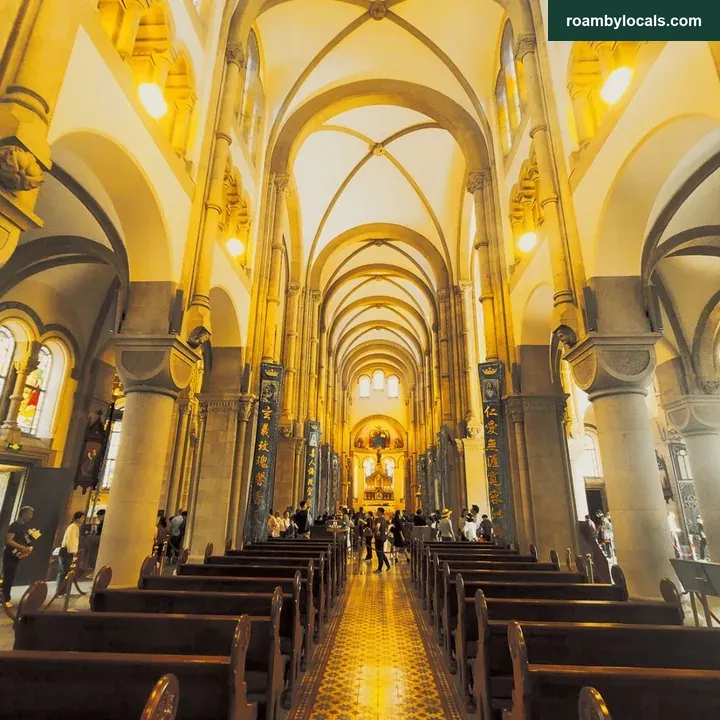
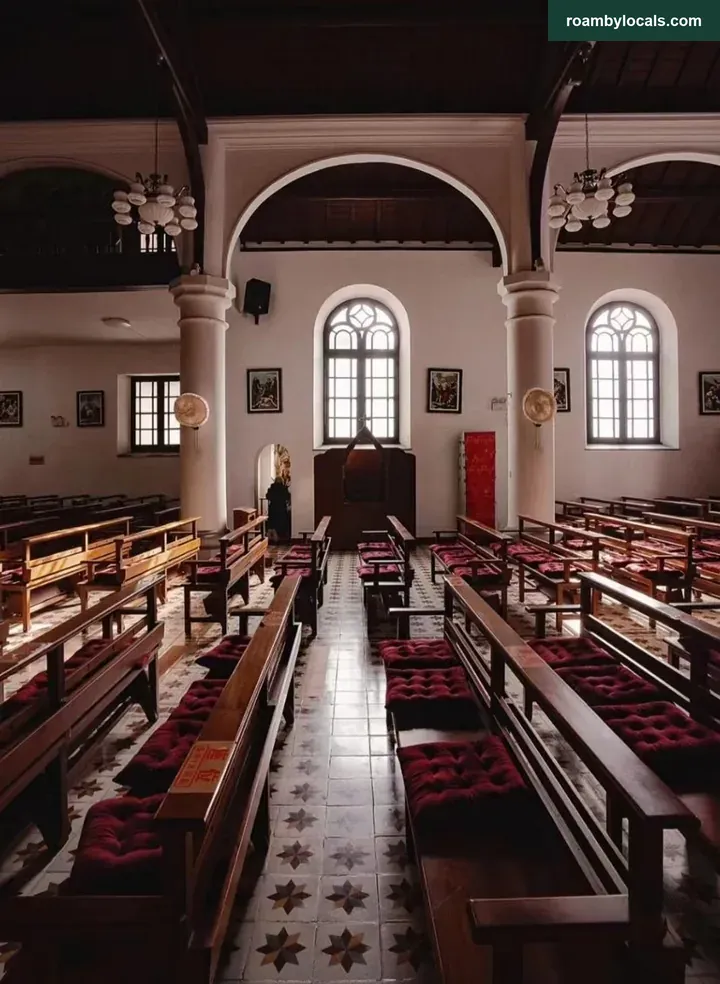
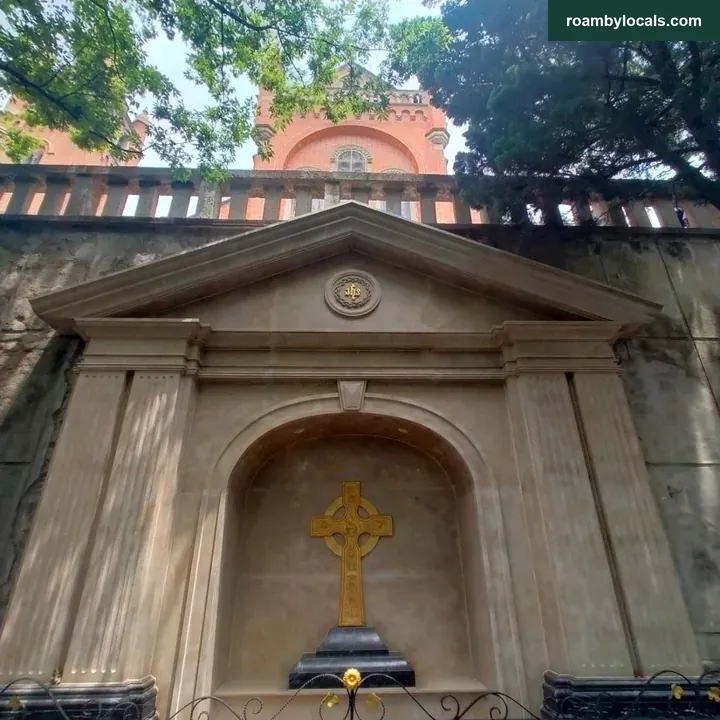
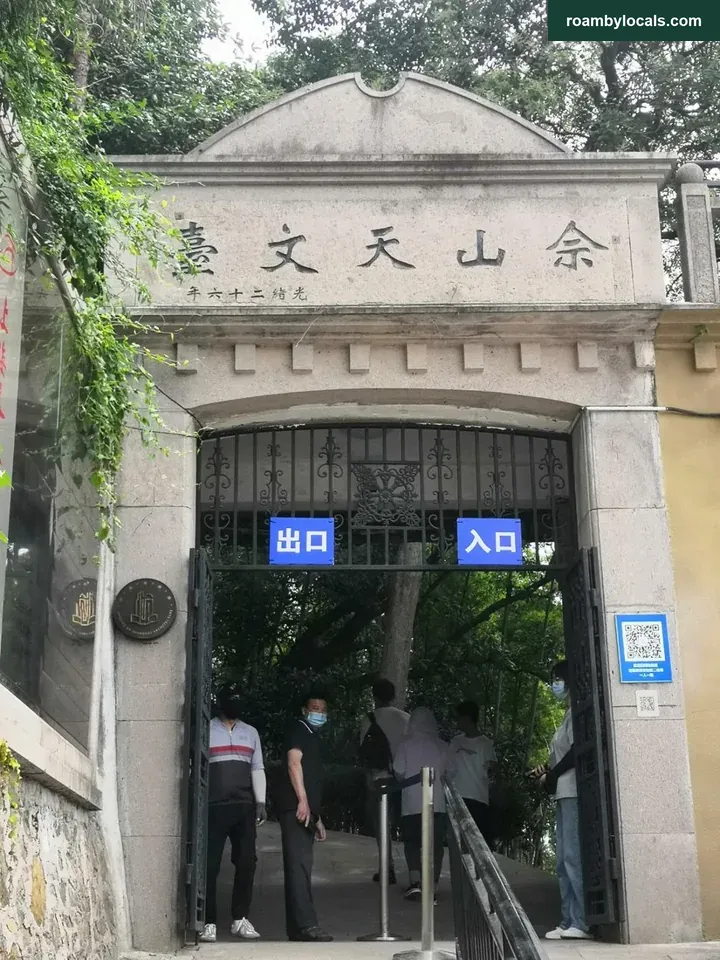
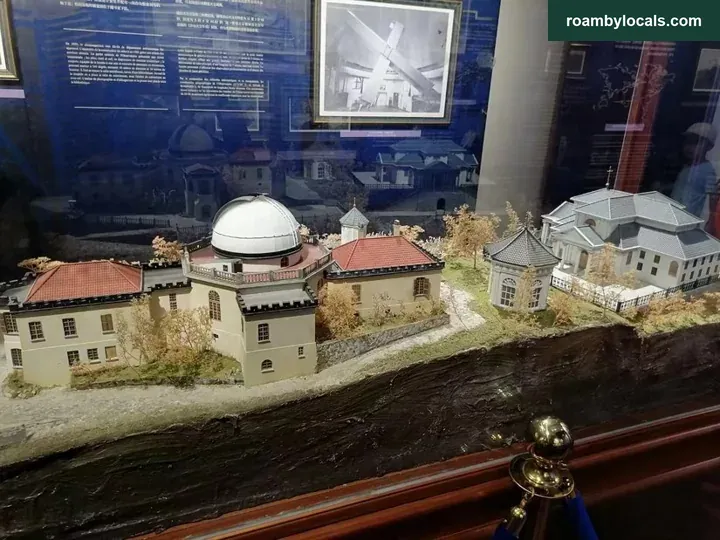
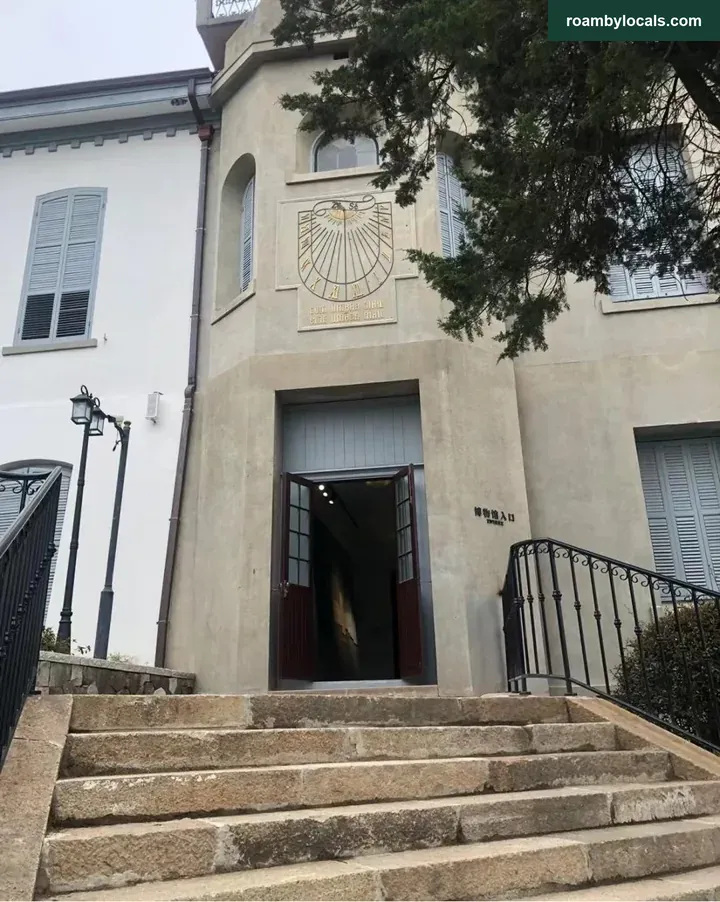
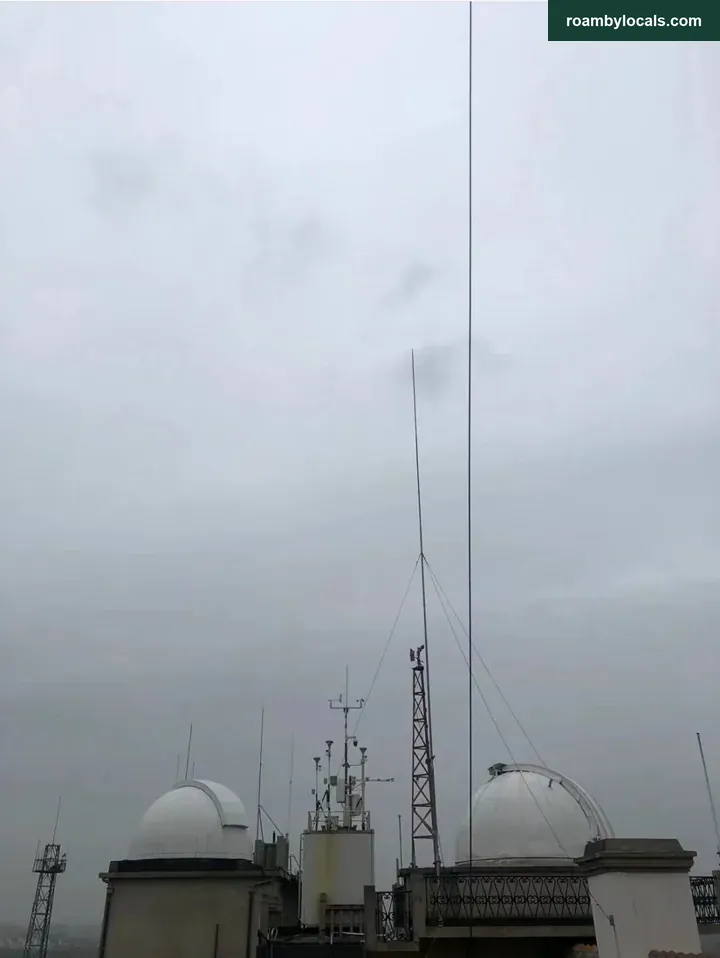
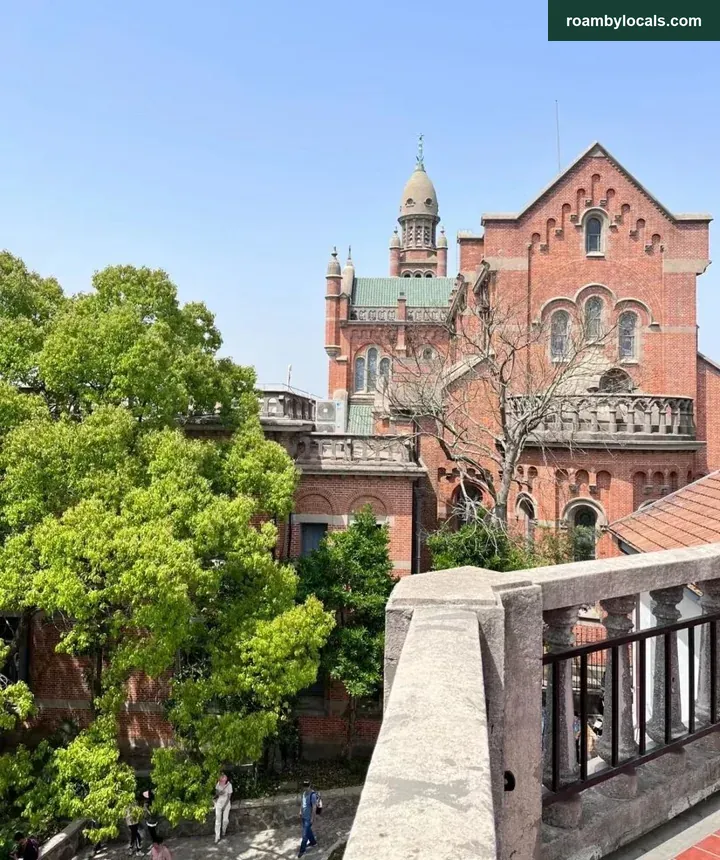
Photographs around Sheshan
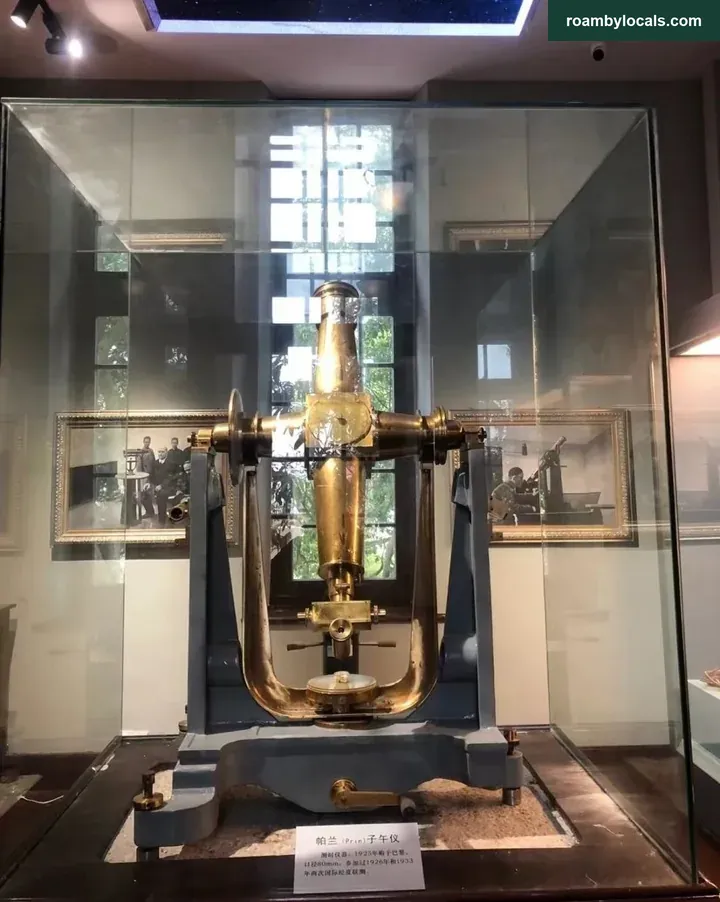
The Palan transit instrument.
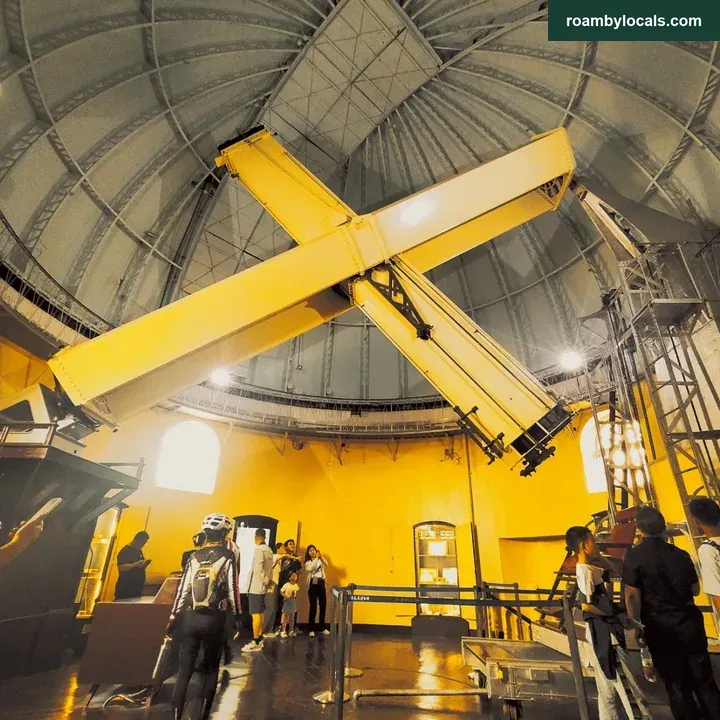
The astrographic optical telescope ordered from France has a 40-centimetre aperture and a 7-metre focal length; it is now displayed in the astronomical museum.
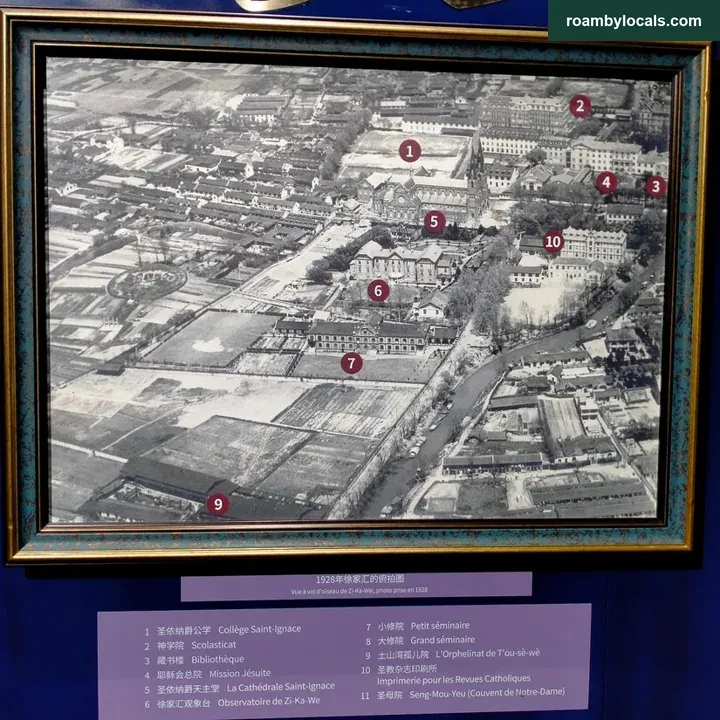
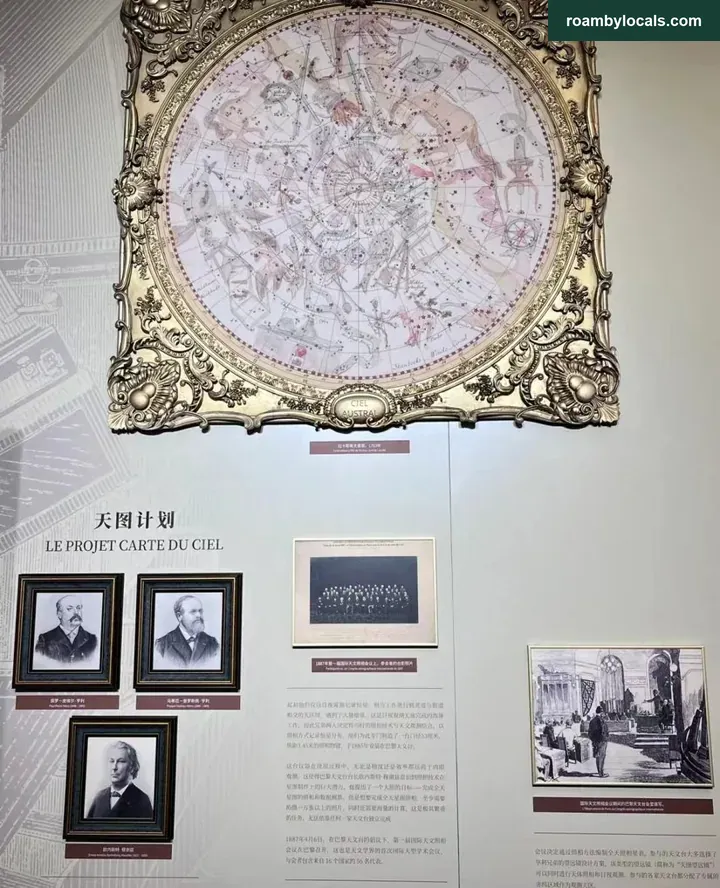
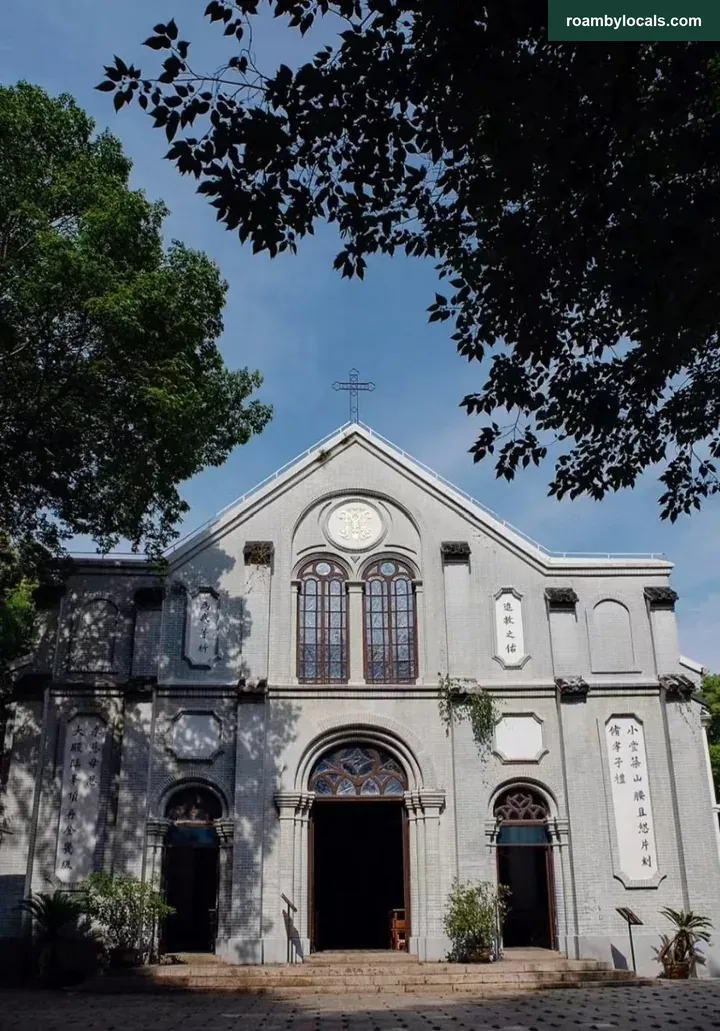
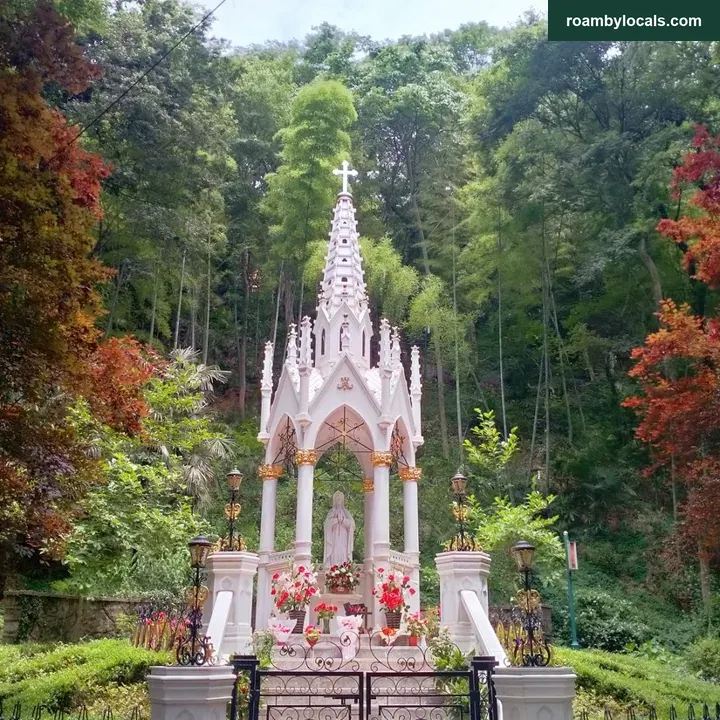
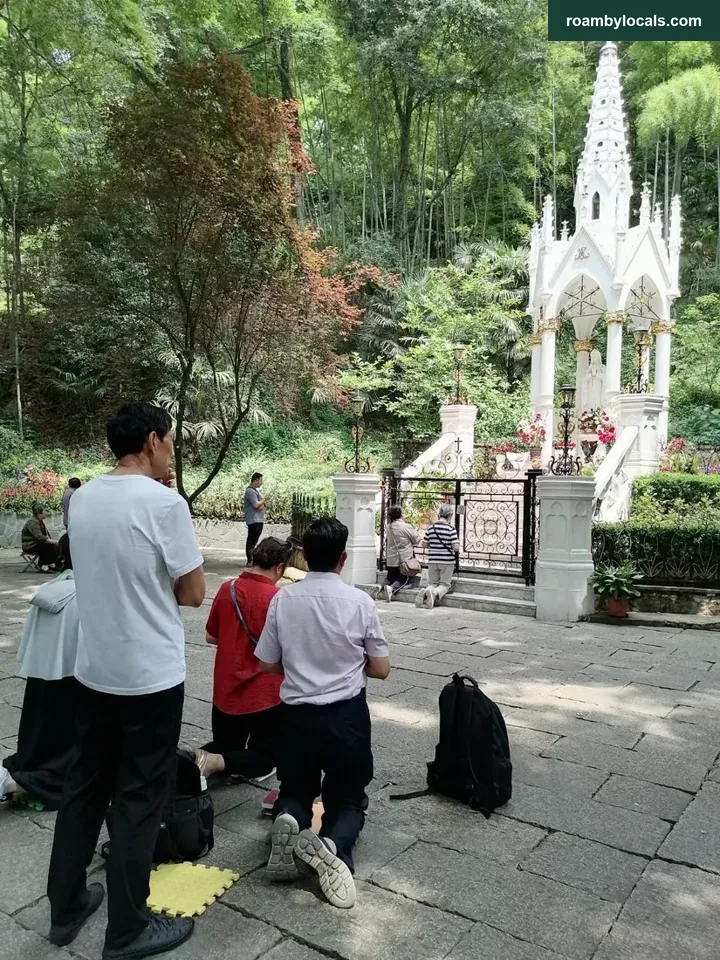
A small church halfway up Sheshan.
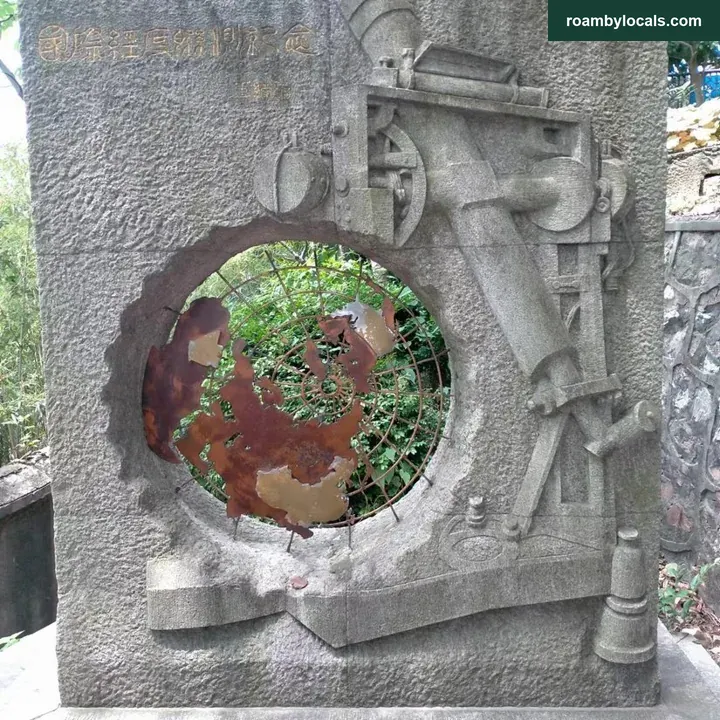
This monument commemorates the international longitude survey. Its three points on Earth are Sheshan, Algiers and Santiago, all near 30 degrees north, forming an equilateral triangle in three-dimensional space.
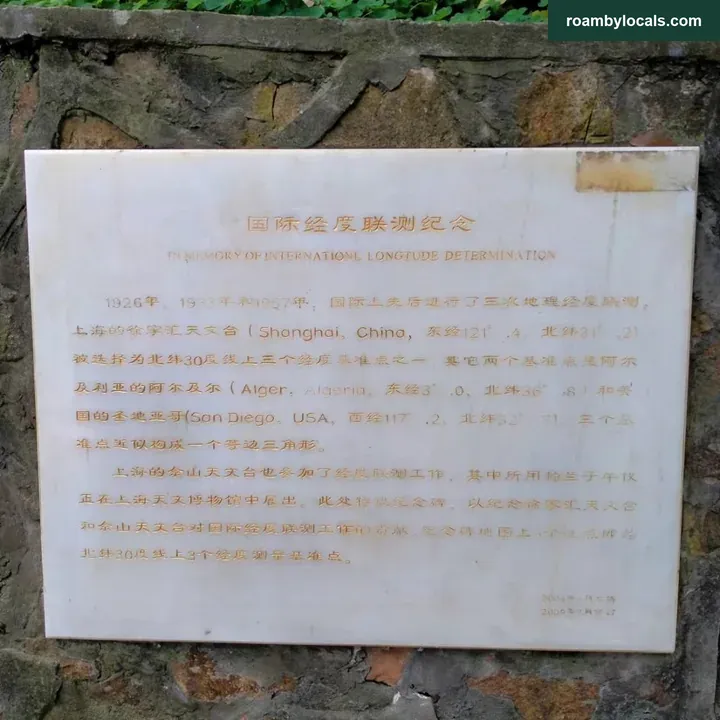
Look carefully at the inscription; perhaps you will learn something.
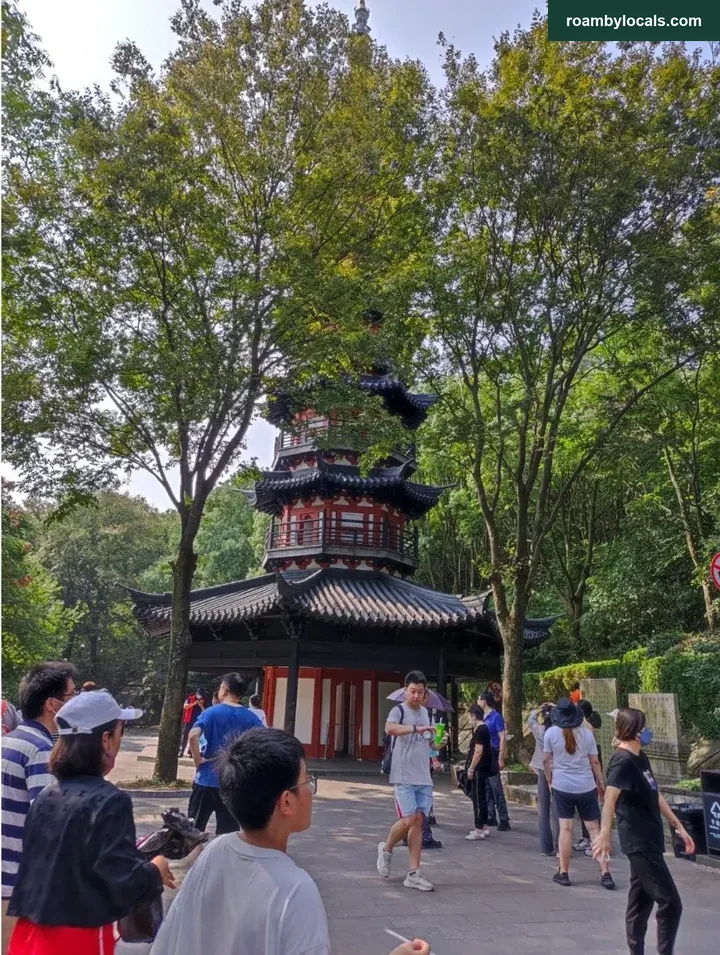
A seven-tier Buddhist pagoda: Buddhism and Christianity coexist on one hill. (Author: 致高致远)