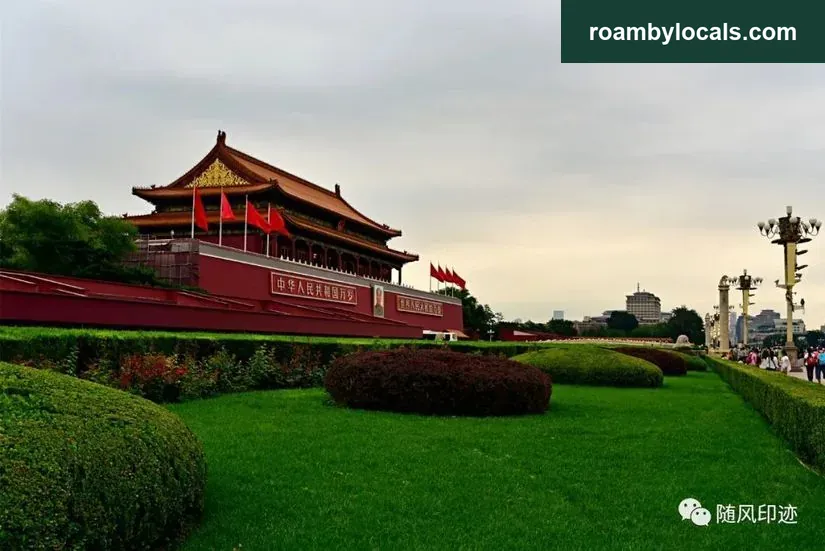
Remembering a summer journey
Foreword: after all these years of keeping a public account, I have reached 600 original records of my outdoor journeys without noticing. Yet I have never written about Beijing, the heart of China, or colourful Yunnan. In these days when mask restrictions keep me from travelling elsewhere, I will recall the past and gradually share these two places with you.
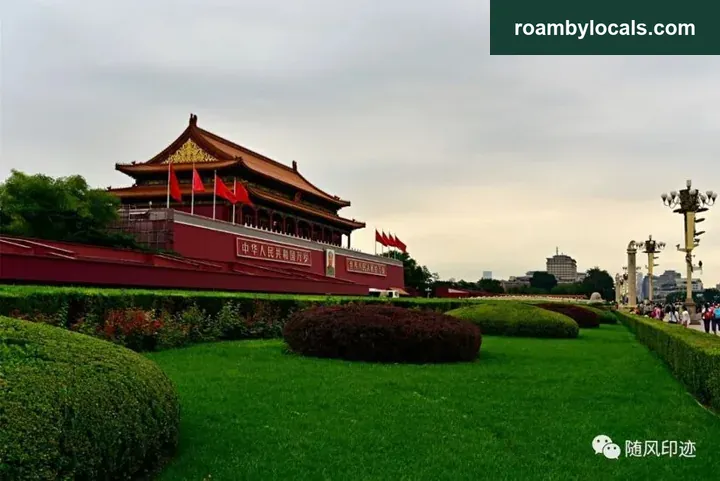
As a Chinese person, I feel one must visit Beijing’s Tiananmen Square and see the flag raised at least once in a lifetime, and visit the Forbidden City to experience the splendour and profound heritage of five thousand years of Chinese civilisation.
In the summer of 2015, during my daughter’s school holidays, I took her to Beijing to watch the flag-raising at Tiananmen, visit the Forbidden City and climb the Great Wall.
The flag-raising at Tiananmen Square
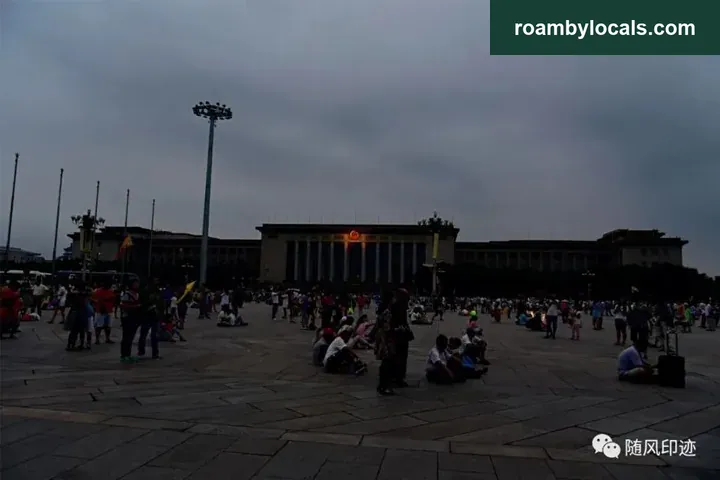
I think we got up at 4 in the morning to hurry to Tiananmen Square. This photograph was taken at 5:12, when the square was already a sea of people. I miss those days before the pandemic, when we could go wherever we wanted.
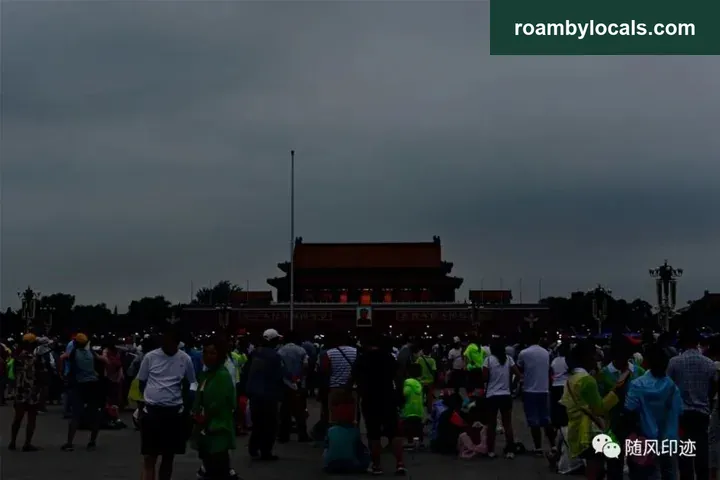
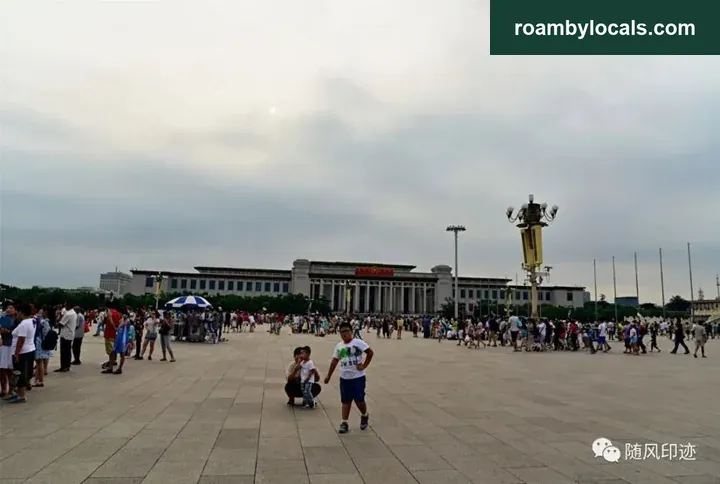
The National Museum of China.
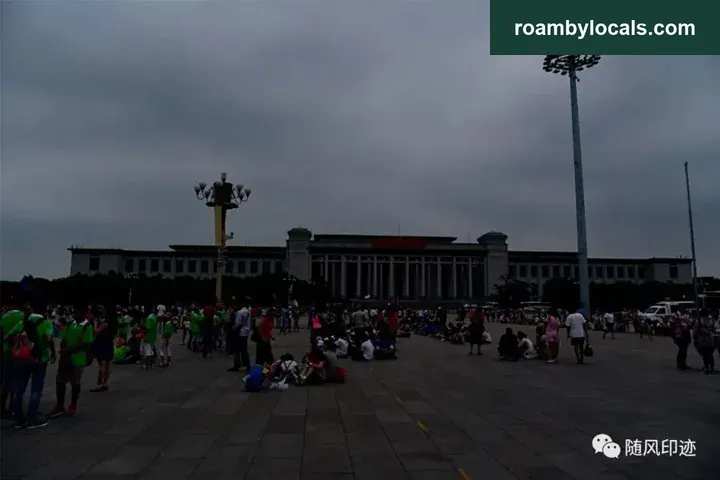
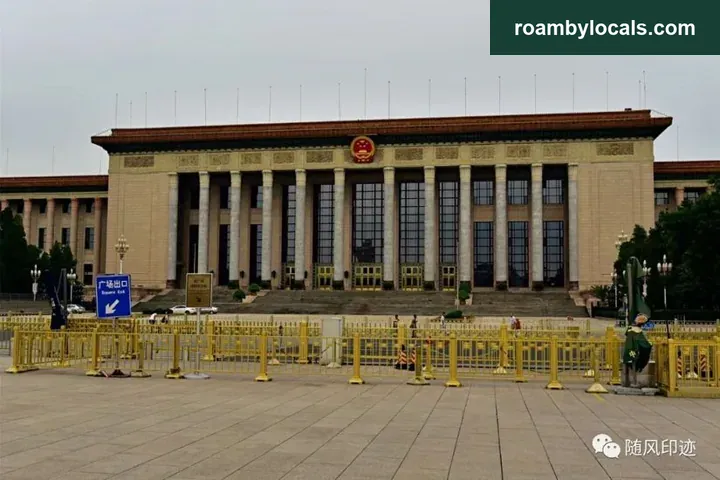
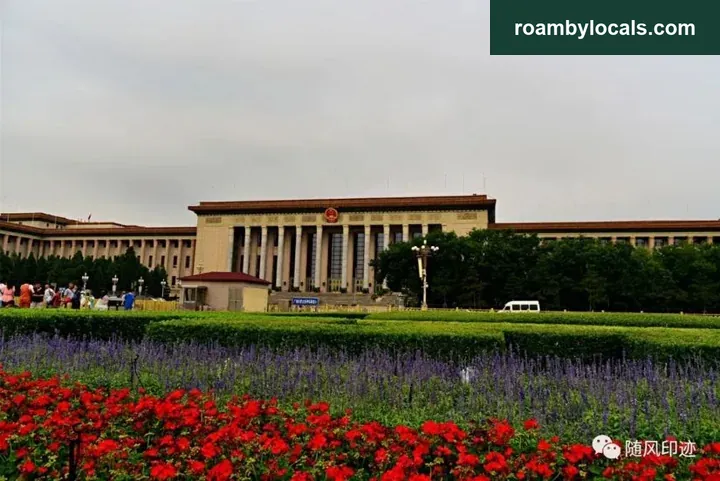
The Great Hall of the People.
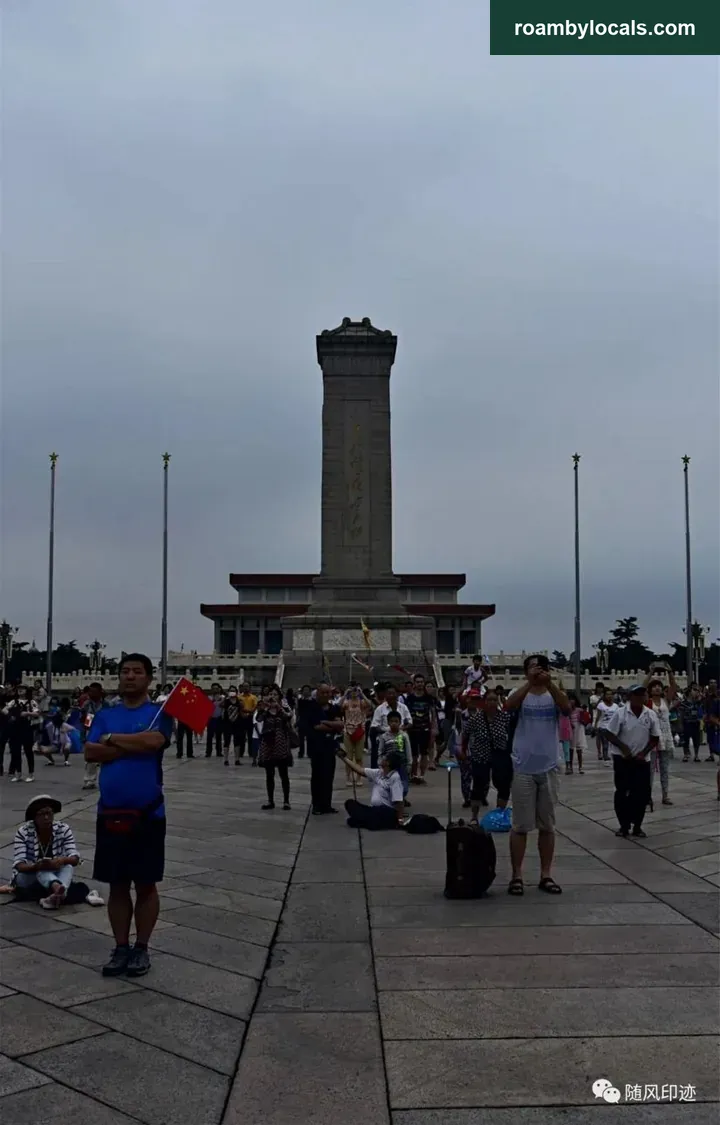
The Monument to the People’s Heroes, with Chairman Mao’s Memorial Hall behind it.
I think the flag was raised at 5:18 then.
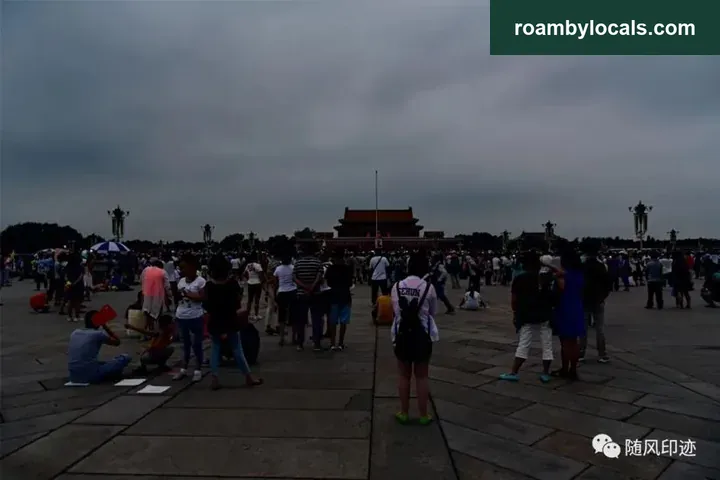
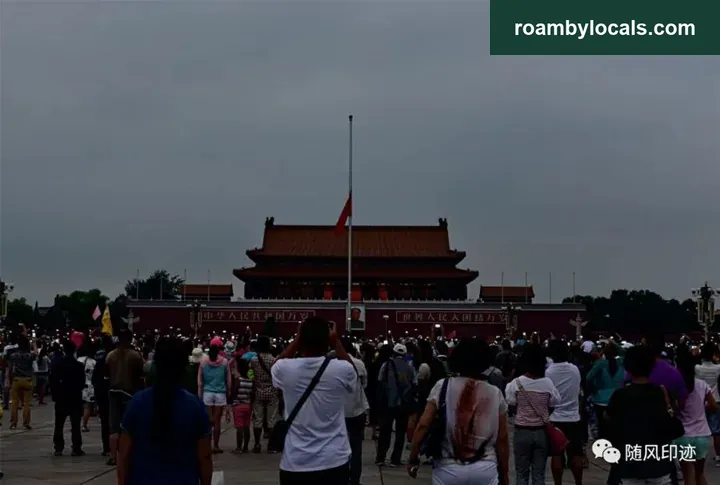
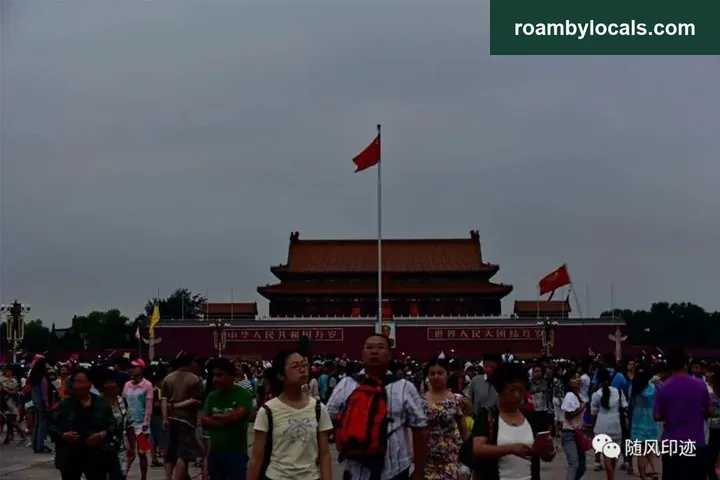
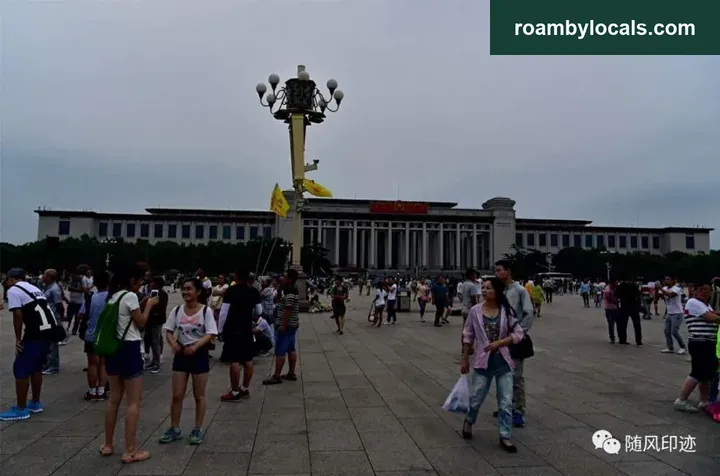
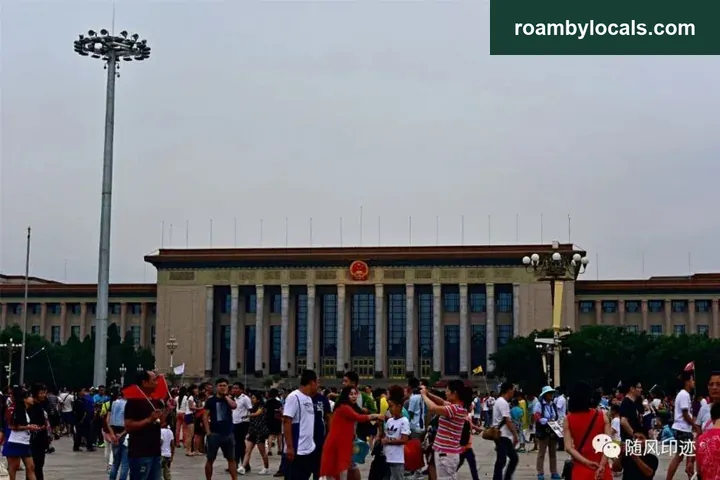
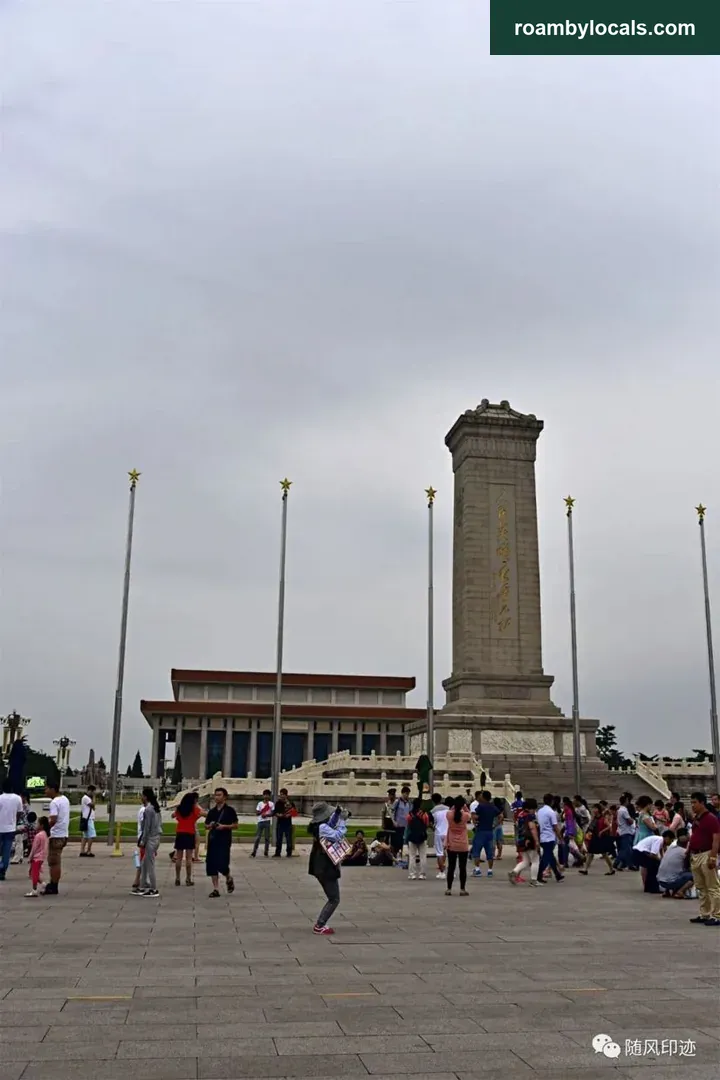
I will not dwell on our visit inside Chairman Mao’s Memorial Hall. Everyone remained silent, photographs were forbidden and we moved through quickly. Then we crossed Tiananmen Square, passed through Tiananmen and entered the Forbidden City. Along both sides of the square were neatly arranged flower columns, flower balls, blocks of shrubs and green lawns.
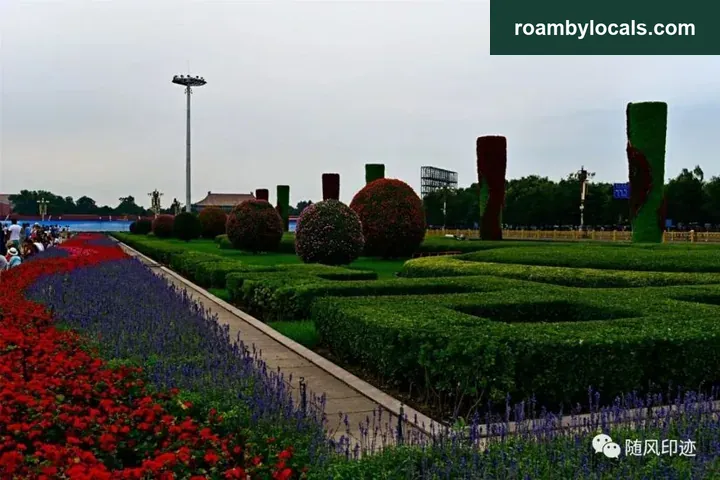
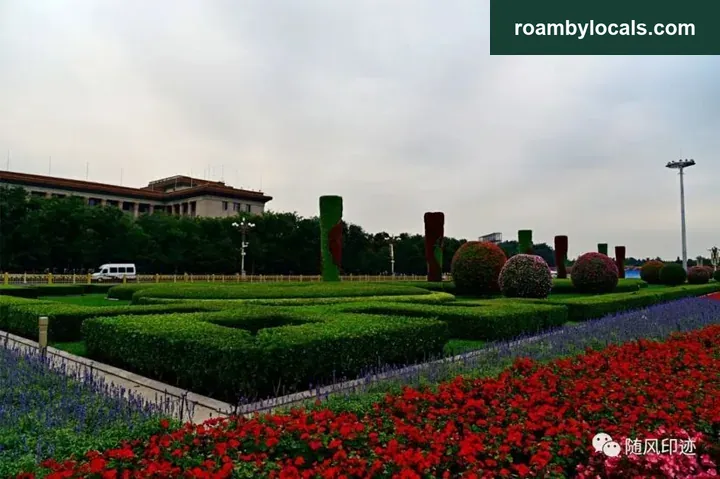
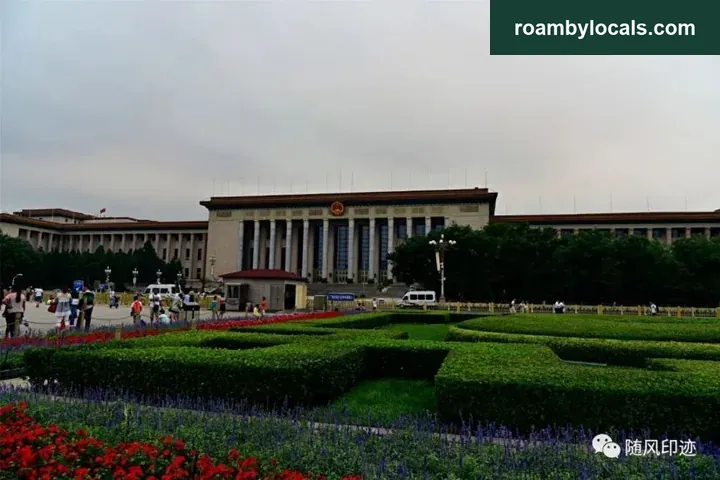
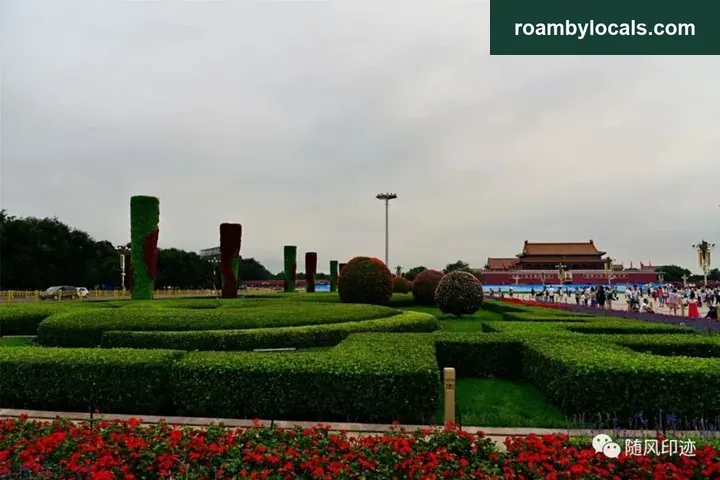
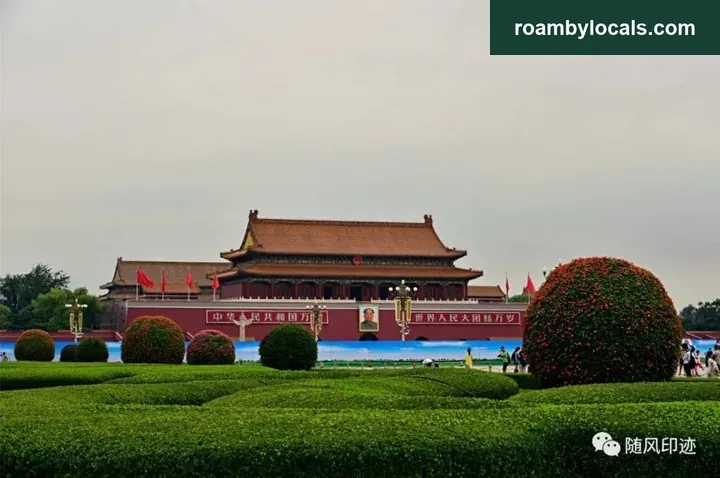
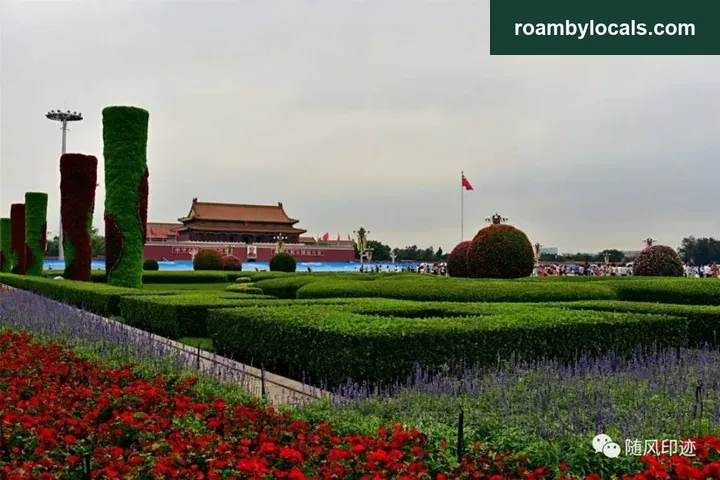
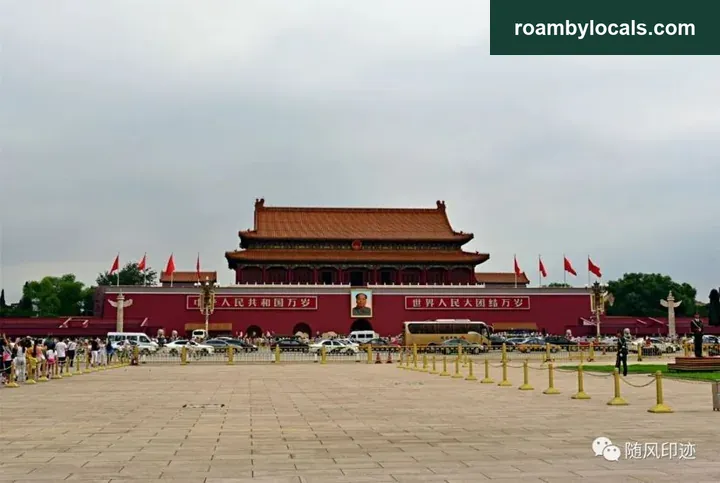
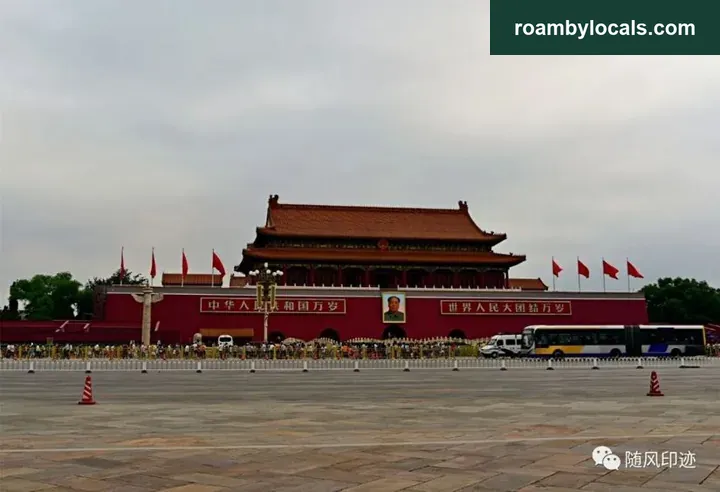
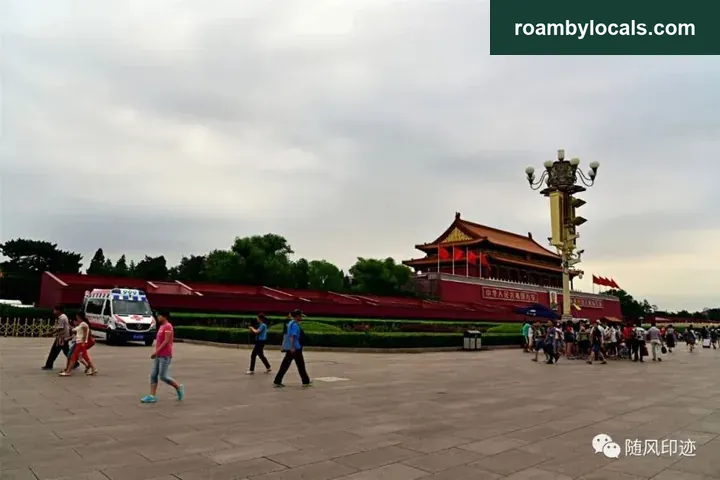
Through Tiananmen and Duanmen
Construction of Tiananmen began in the fifteenth year of the Ming Yongle reign, 1417, and finished in 1420. At first it was only a wooden ceremonial archway of three tiers and five bays, named Chengtianmen, meaning ‘receiving Heaven’s mandate and fortune’. In the first Tianshun year, 1457, lightning and fire destroyed Tiananmen’s archway and huabiao structures. Eight years later, in the first Chenghua year, 1465, it was rebuilt as a gatehouse five bays wide and three deep. In the seventeenth Chongzhen year, 1644, Li Zicheng’s army entered Beijing and Chengtianmen was destroyed again. In the eighth Qing Shunzhi year, 1651, extensive reconstruction on the ruins turned it into a gate tower and renamed it Tiananmen, meaning ‘receiving Heaven’s mandate, bringing peace and governing the country’. Major repairs followed in 1688, the twenty-seventh Kangxi year, and 1952. The 1970 rebuilding largely retained the form established in 1651. It raised the gate by 83 centimetres to an overall height of 34.7 metres, from its former 33.87 metres.
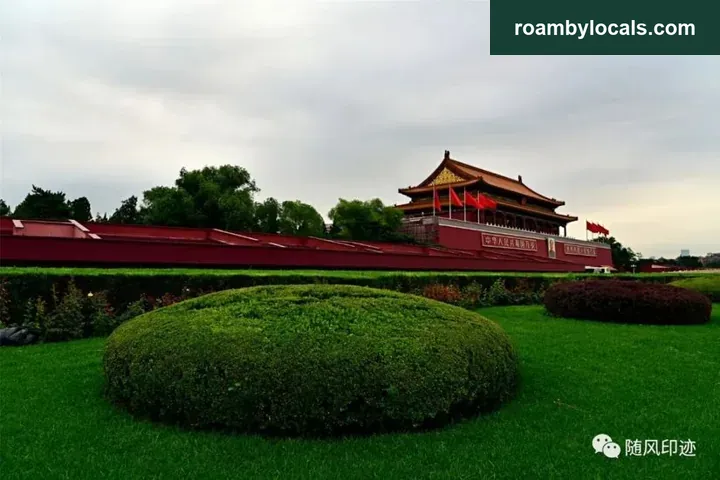
After more than 500 years of wind, rain and upheaval, Tiananmen stands in central Beijing, capital of the People’s Republic of China, south of the Forbidden City and facing Tiananmen Square across Chang’an Avenue. It was the gate to the imperial city under the Ming and Qing. On 1 October 1949, the founding ceremony of the People’s Republic took place here; it became a symbol of modern China and was incorporated into the national emblem. With its more than 500 years of history, its concentration of ancient and modern Chinese civilisation, its symbolism of the new China and its unmatched political prominence and appeal, Tiananmen is a place people of all China’s ethnic groups long to visit. It records the courage and resolve of the Chinese nation in accepting bloodshed and sacrifice to win independence and freedom; it bears a glorious page in the birth of the new China and a magnificent poem of the nation’s rise to strength.
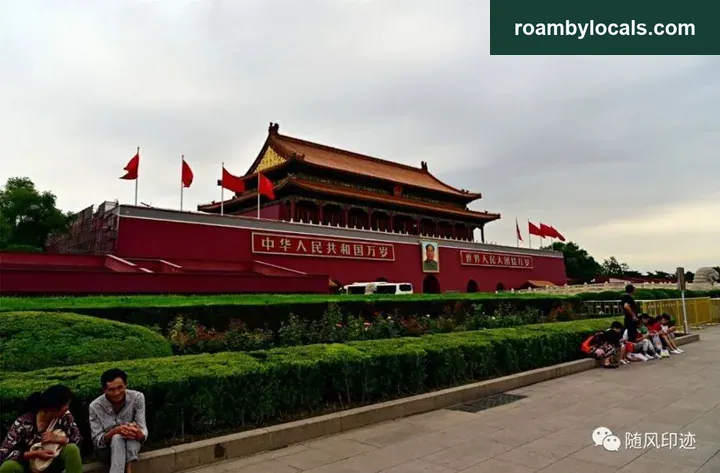
Looking back at Tiananmen from inside the gate.
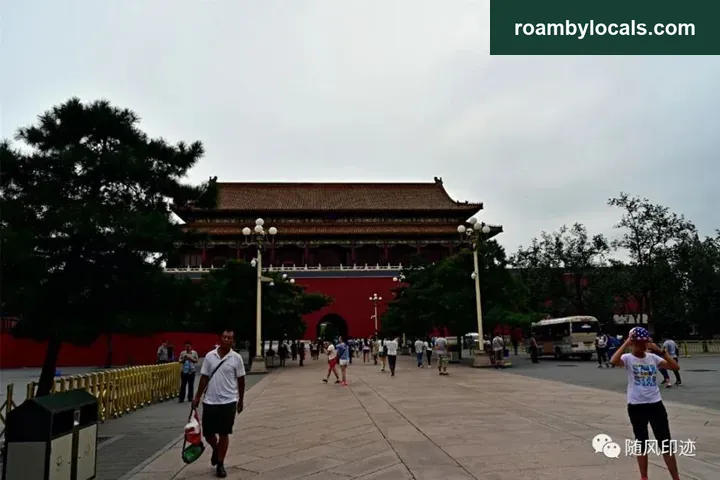
Duanmen.
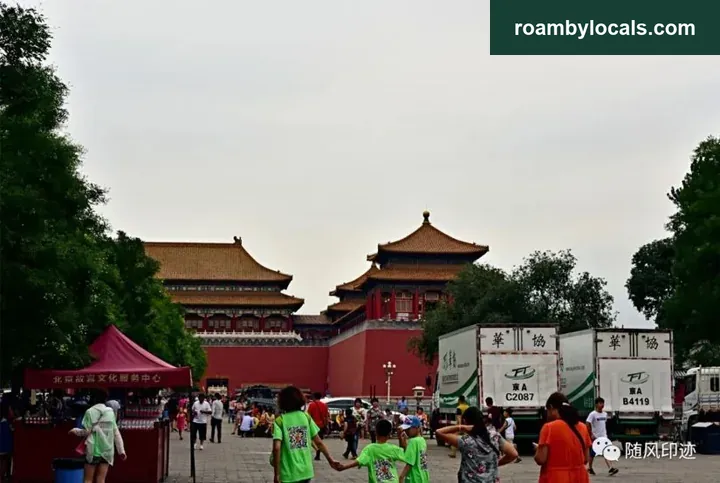
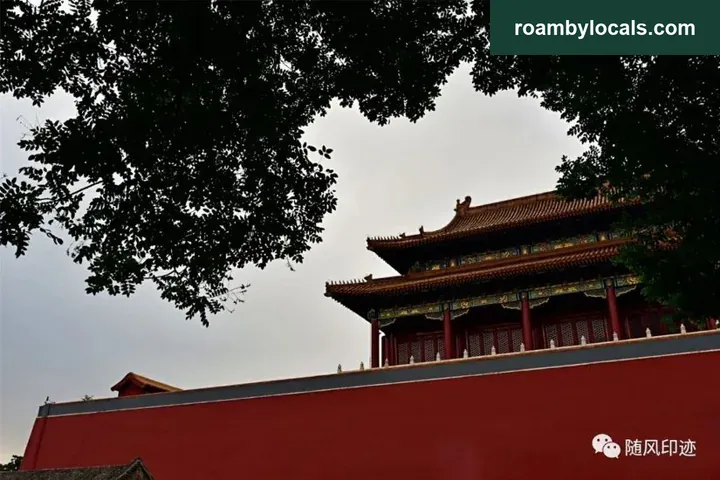
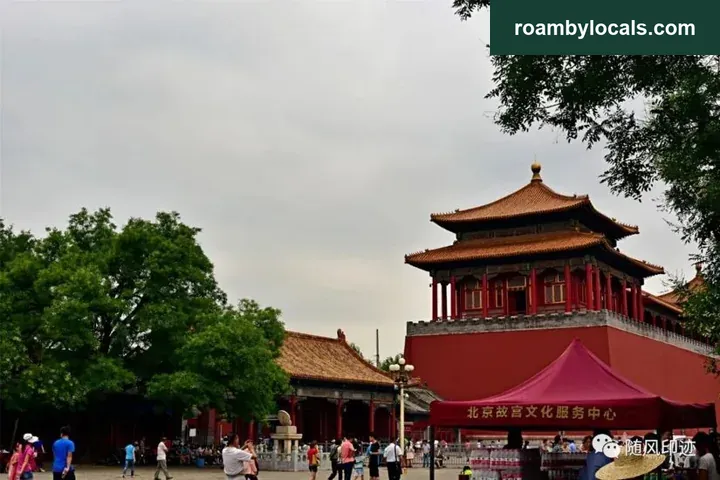
Inside the Forbidden City
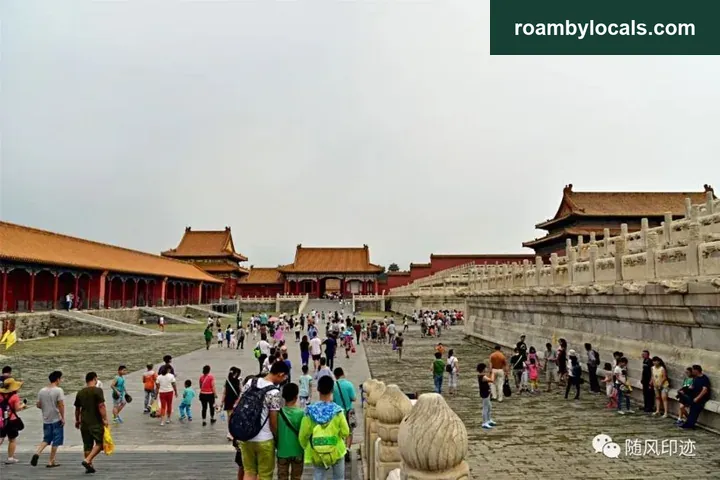
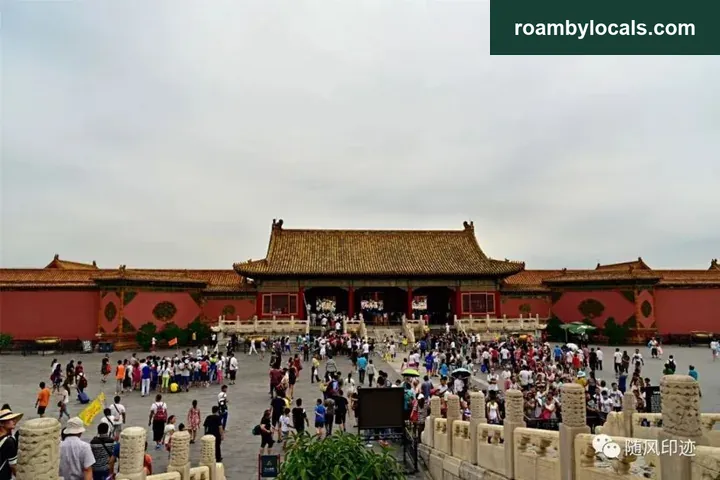
Beijing’s Forbidden City was the imperial palace of the Ming and Qing dynasties. Formerly called the Purple Forbidden City, it stands at the centre of Beijing’s central axis and embodies the finest ancient Chinese palace architecture. It is among the world’s largest and best-preserved ancient timber architectural complexes. It is acclaimed as the foremost of the world’s five great palaces: Beijing’s Forbidden City, France’s Palace of Versailles, Britain’s Buckingham Palace, the White House in the United States and Russia’s Kremlin. For detailed information, look it up on Baidu; I will not elaborate here. The Meridian Gate is the Forbidden City’s main entrance, on its north–south axis. There were so many people that taking a decent photograph was impossible.
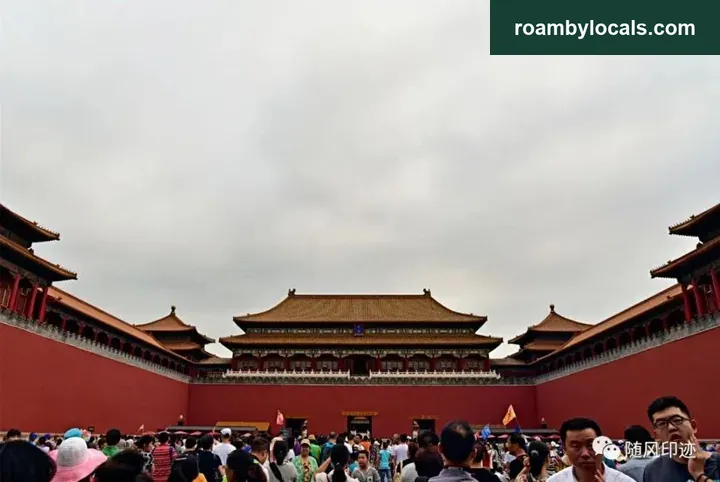
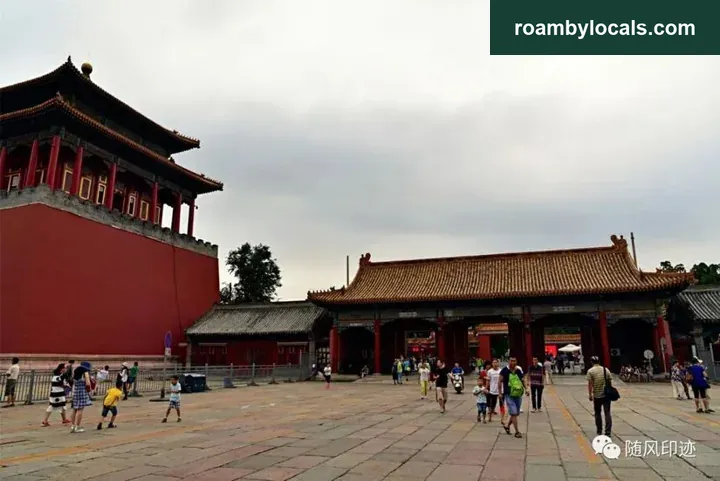
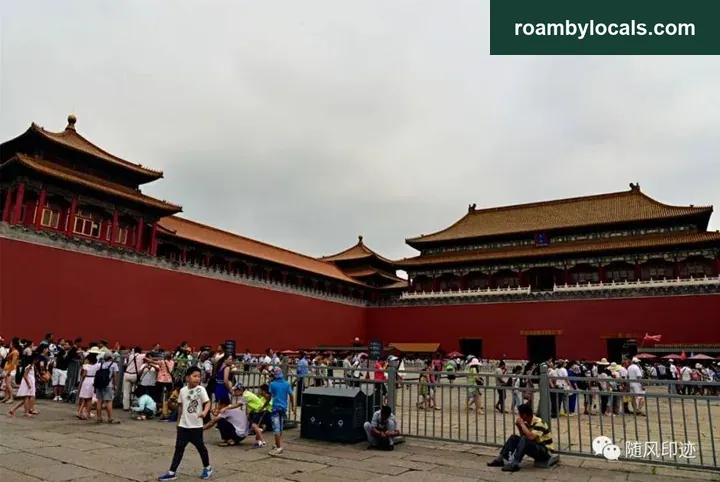
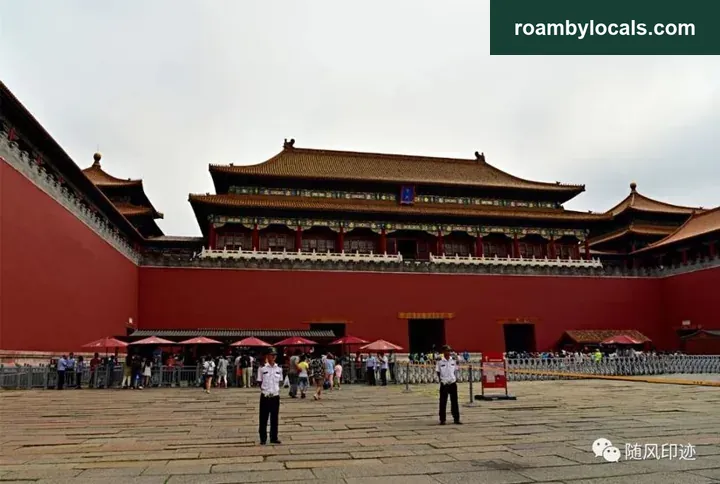
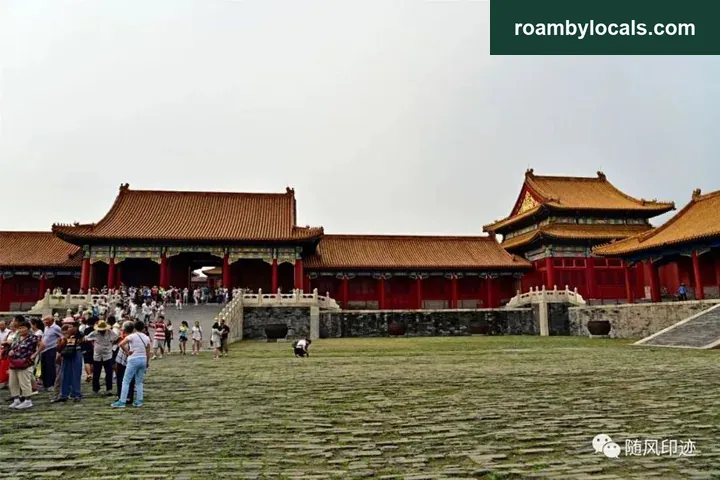
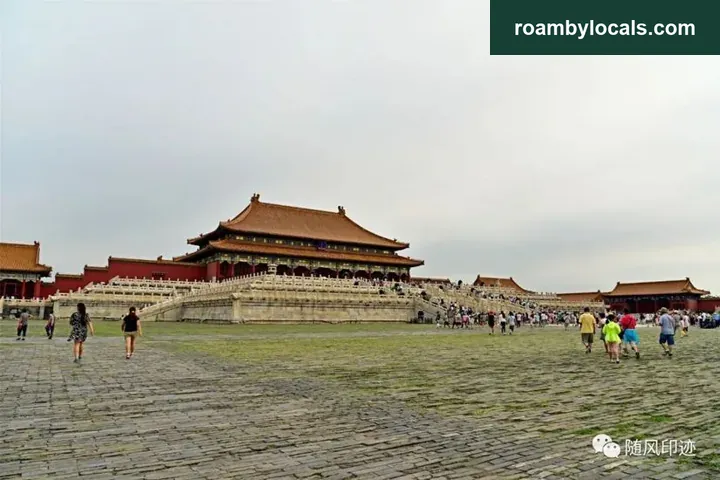
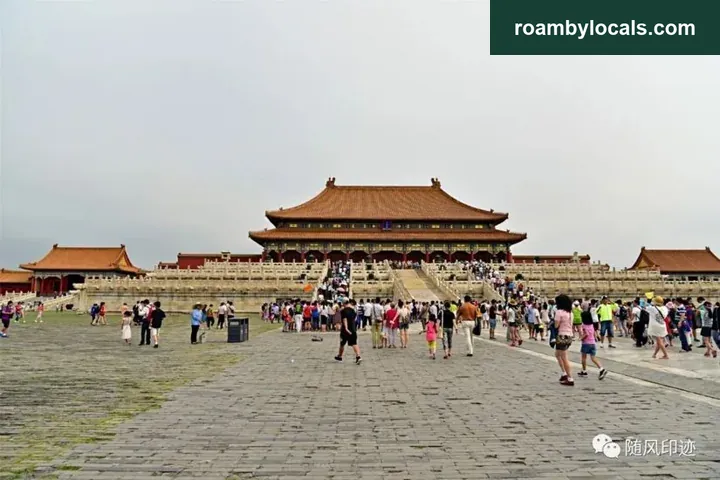
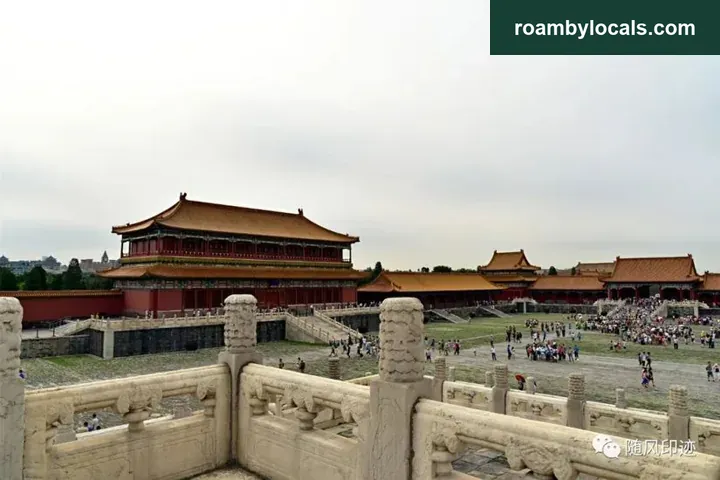
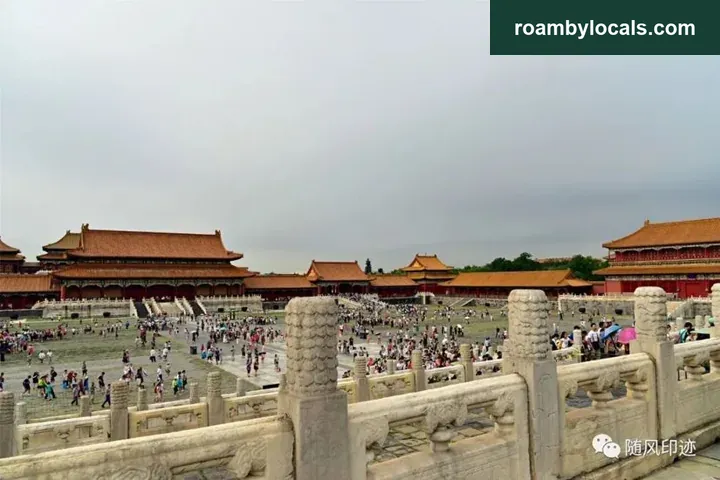
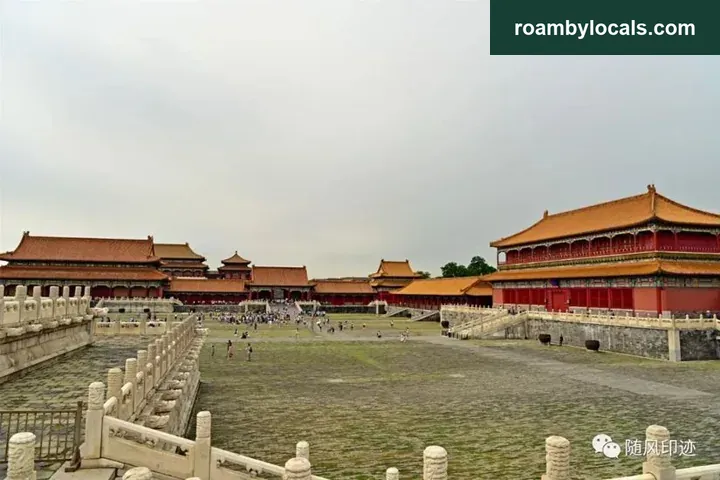
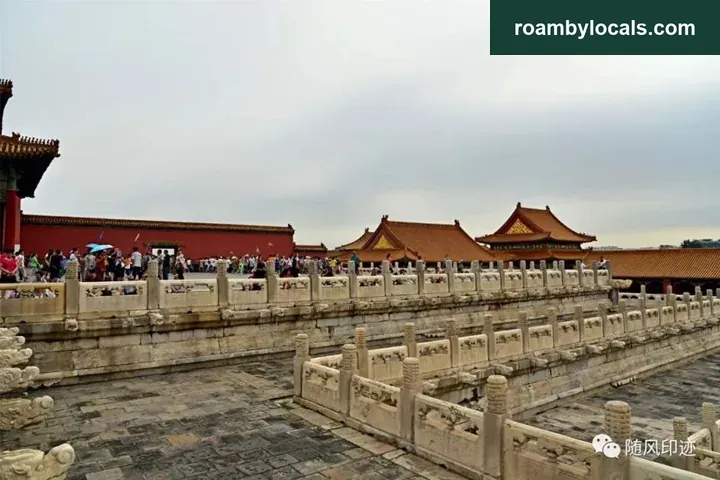
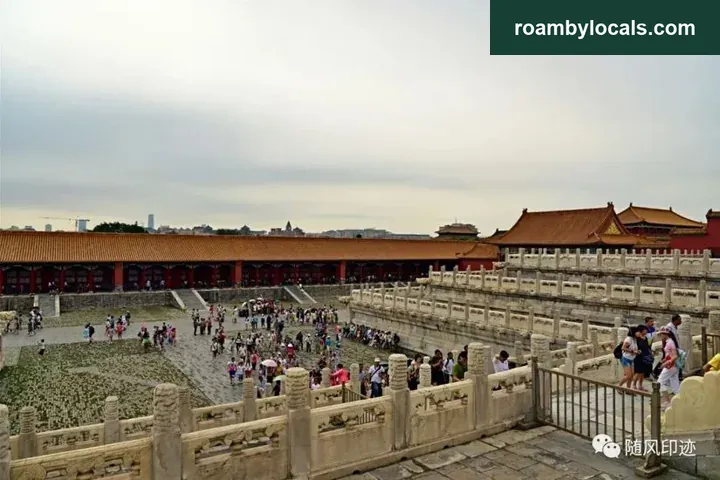
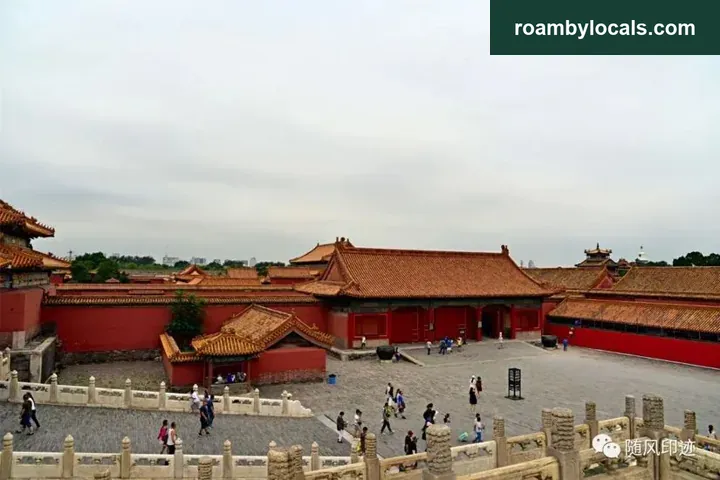
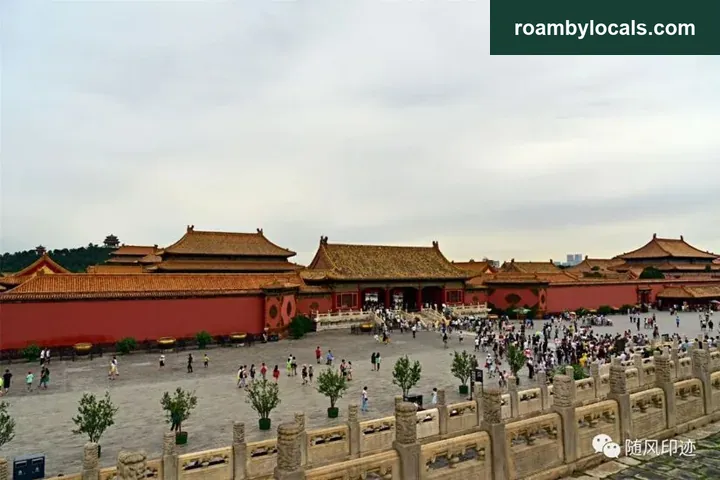
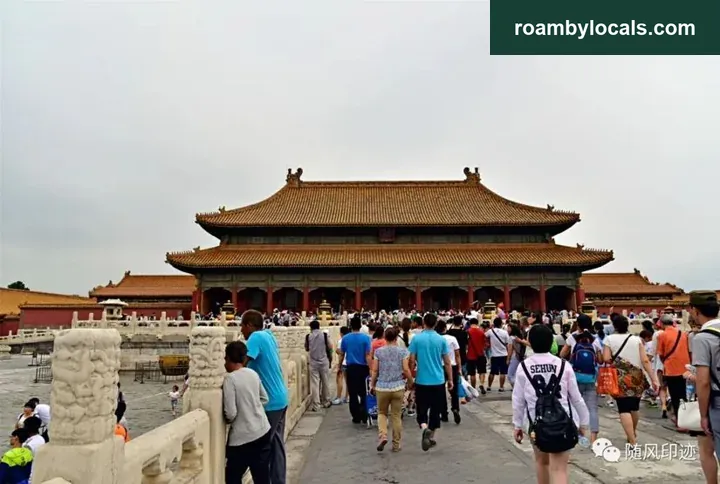
The weather was poor and there was plenty of haze. These photographs can only serve as a rough record.
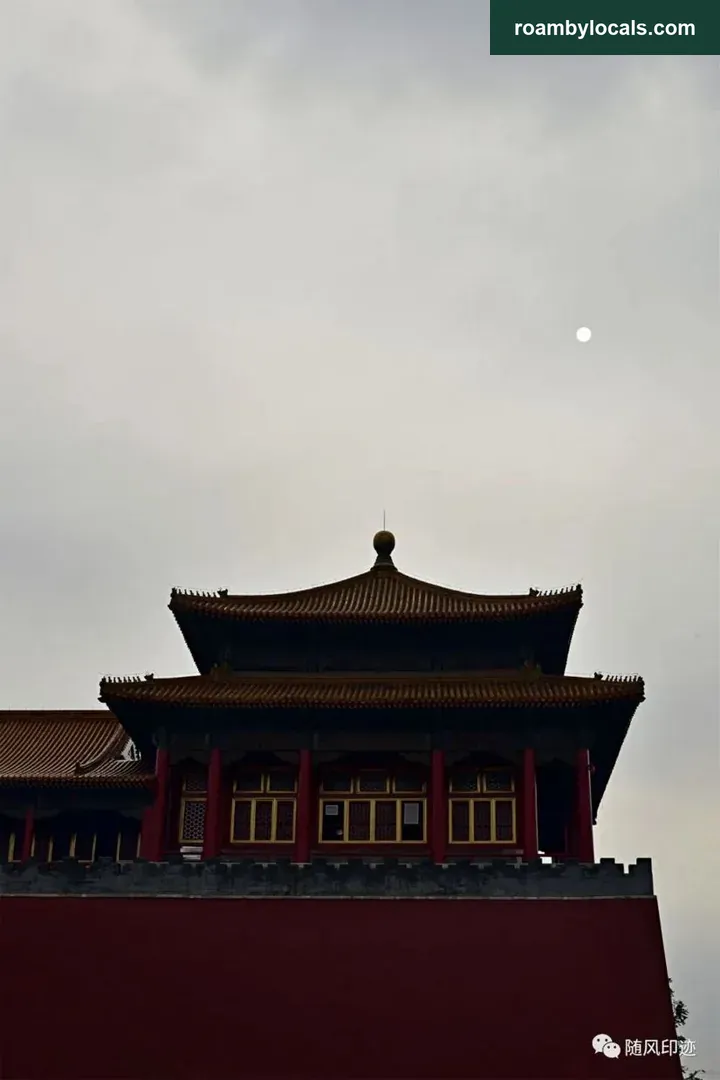
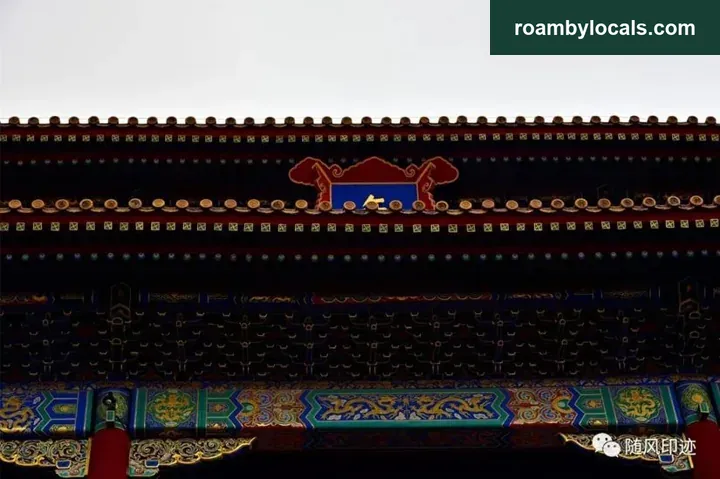
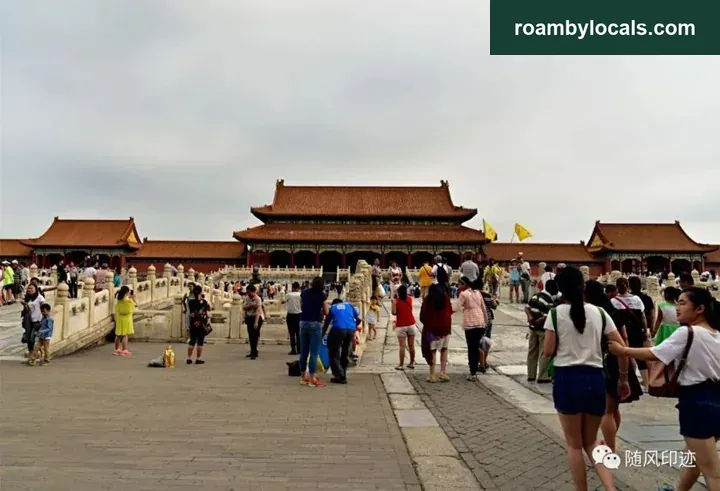
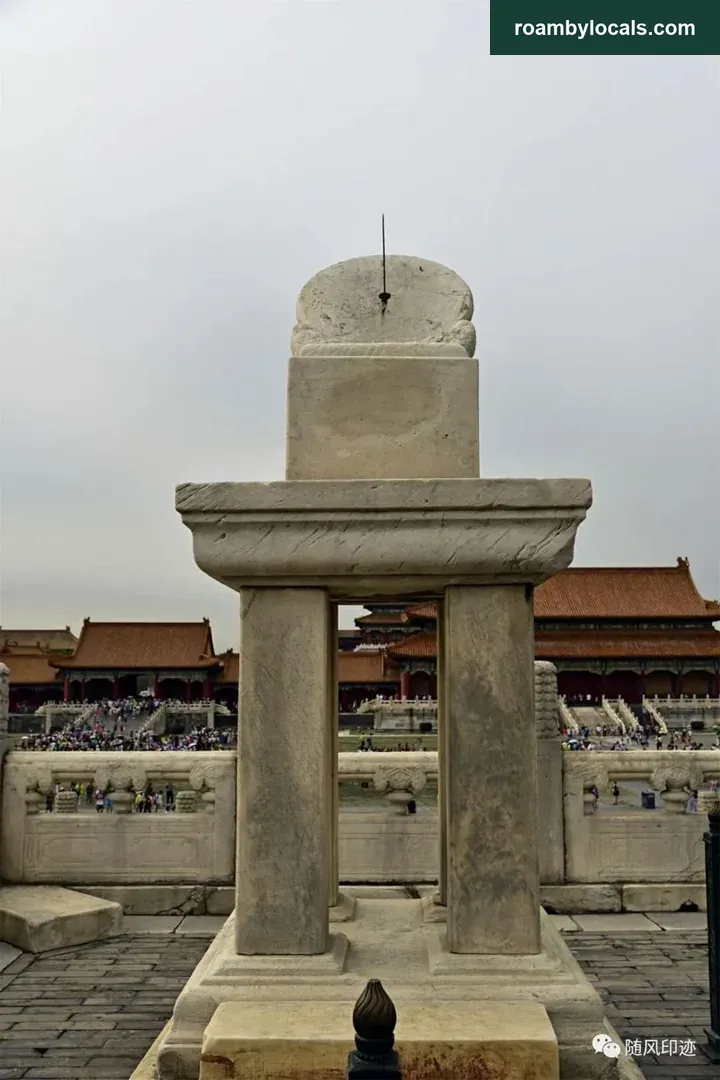
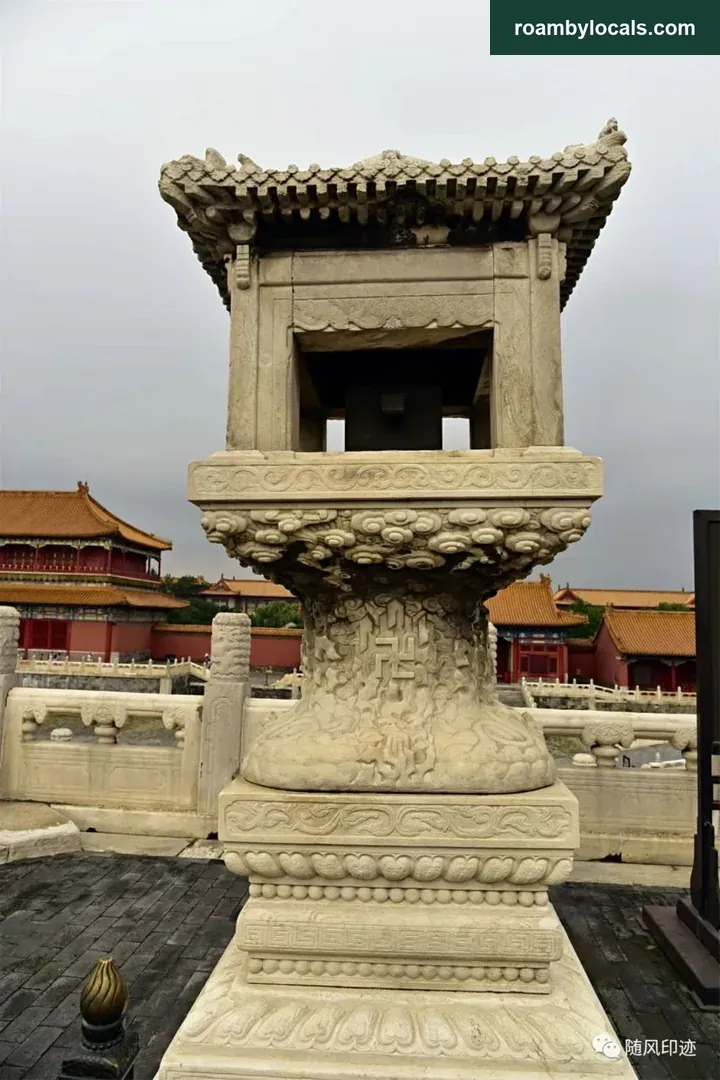
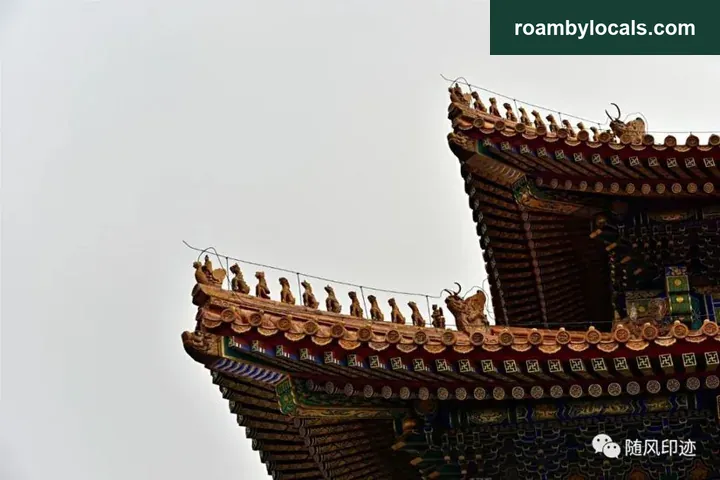
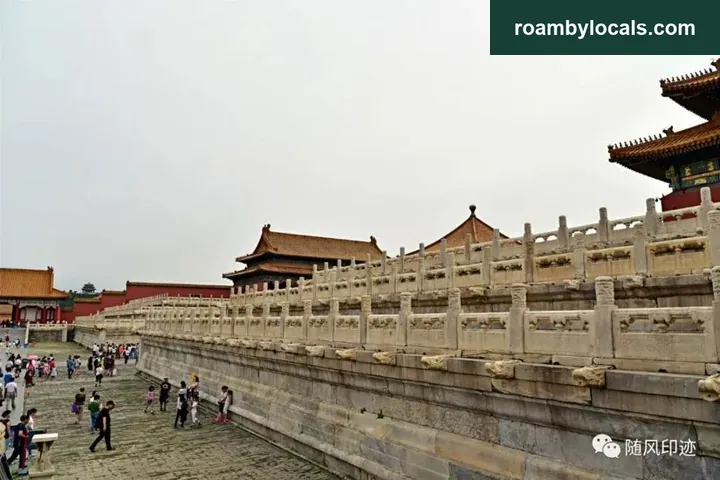
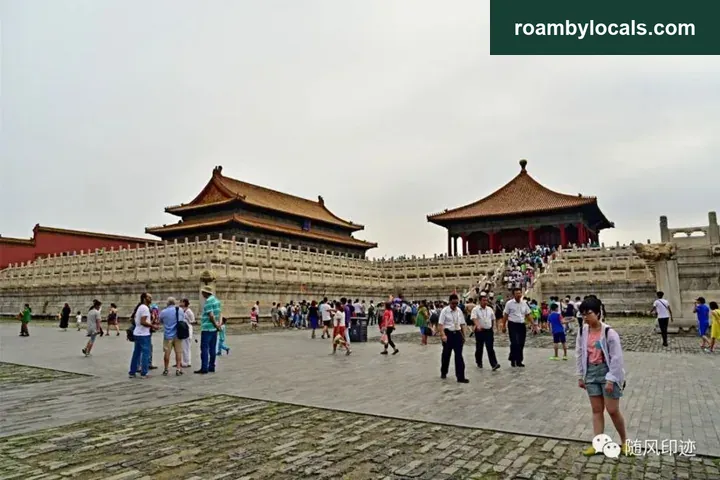
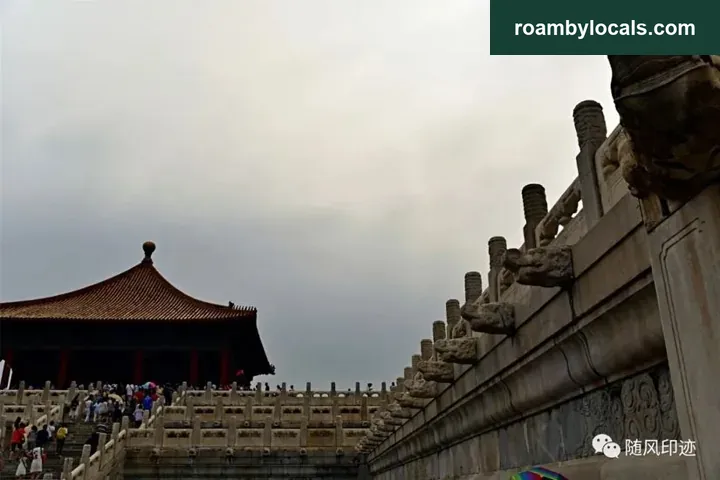
The whole Forbidden City glittered with gold. Paths and balustrades were made of white marble: extraordinary luxury.
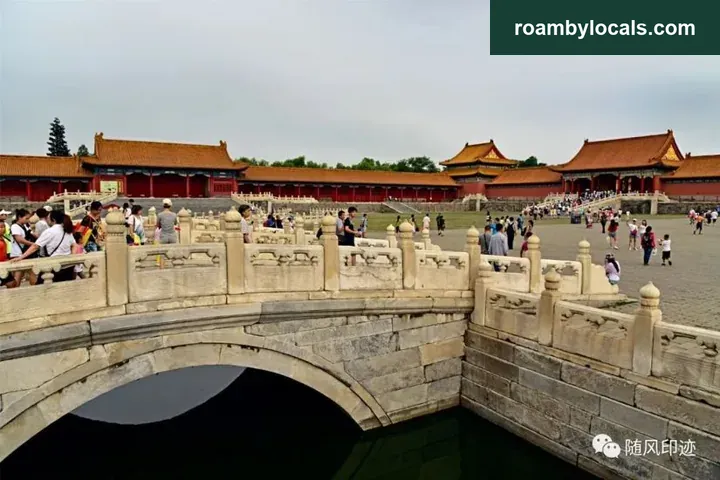
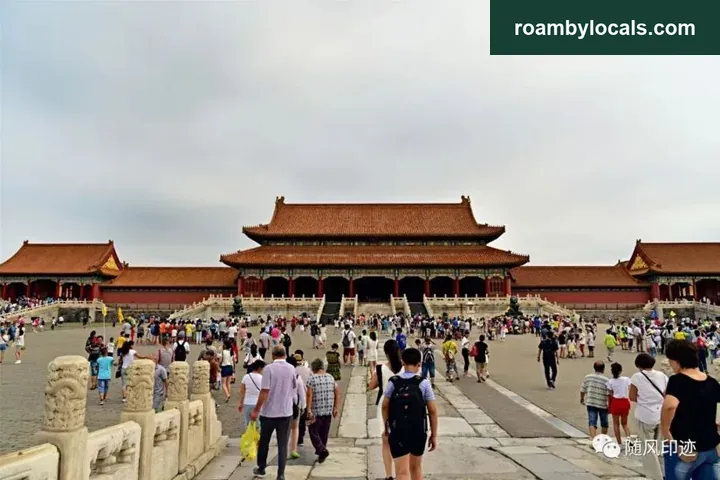
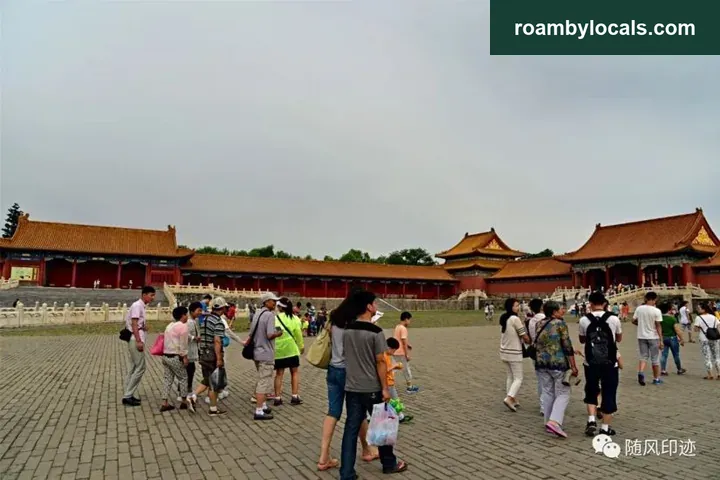
The palace buildings form China’s largest and most complete surviving ancient architectural complex, covering more than 720000 square metres. Legend gives it 9999 and a half rooms. Called a ‘sea of halls’, it is majestic and spectacular. Its layout, three-dimensional effect and formal grandeur make it an unrivalled masterpiece. Here I will only share photographs, without describing each palace hall; anyone interested can look them up.
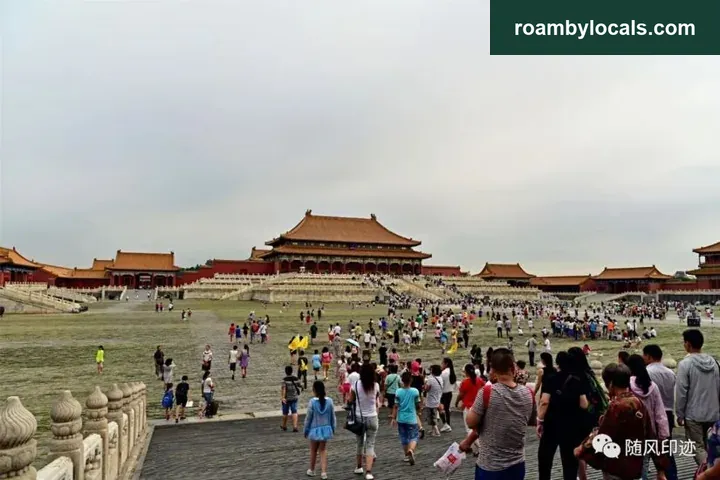
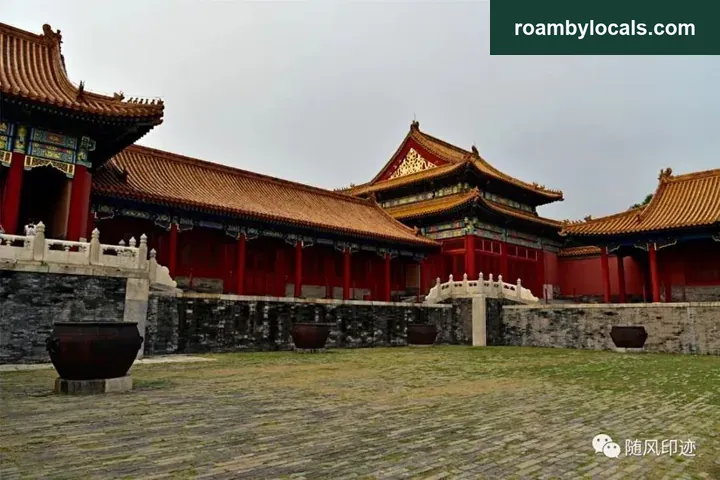
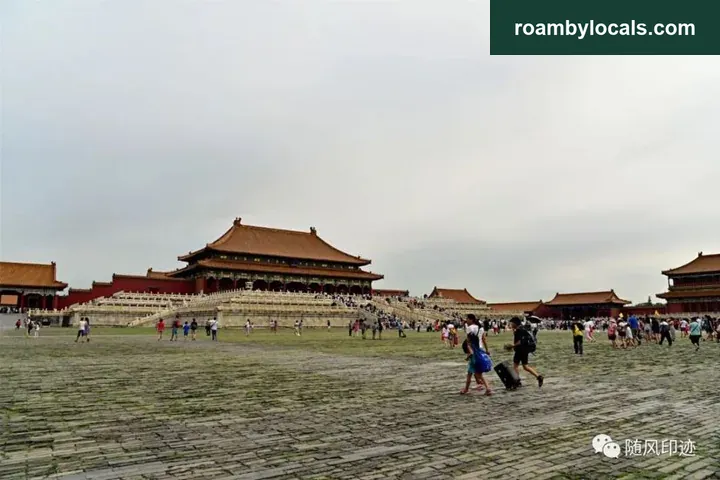
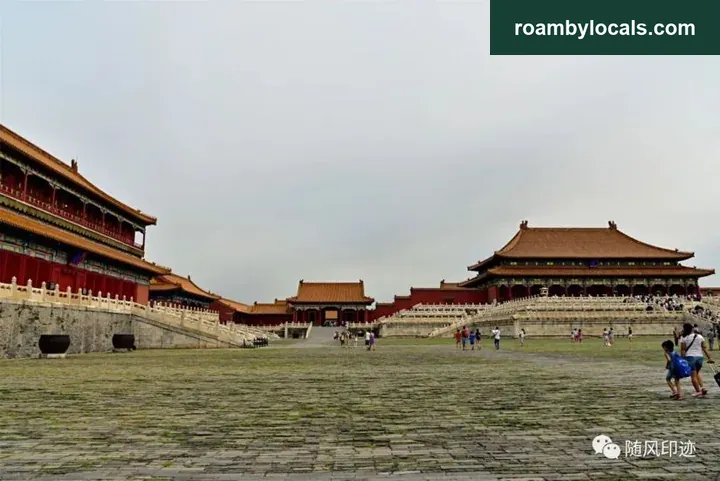
Drainage, gardens and the northern moat
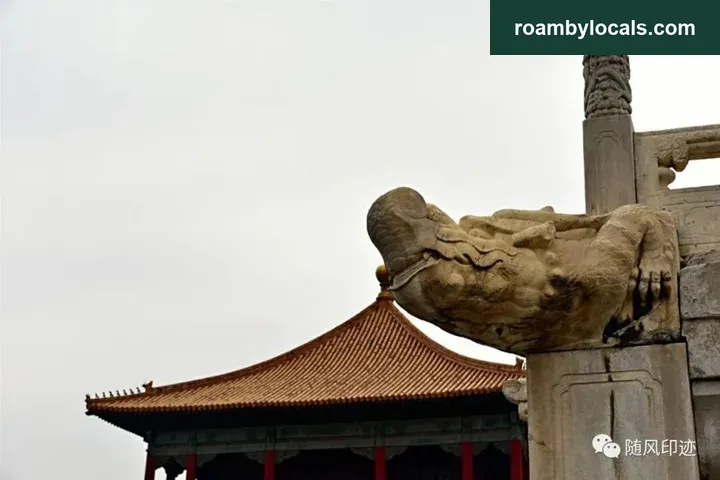
The Forbidden City’s drainage system is distinctive. Its outlets are all dragon heads carved from white marble. Rainwater flows from their mouths at each level down to the collection points in the lowest square.
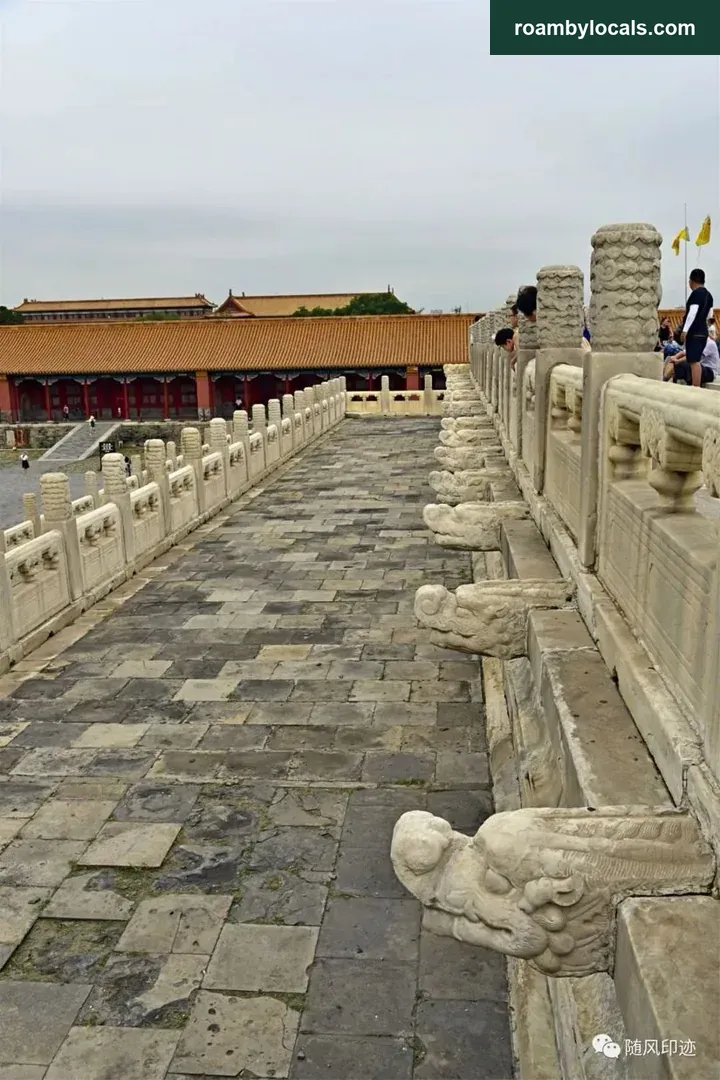
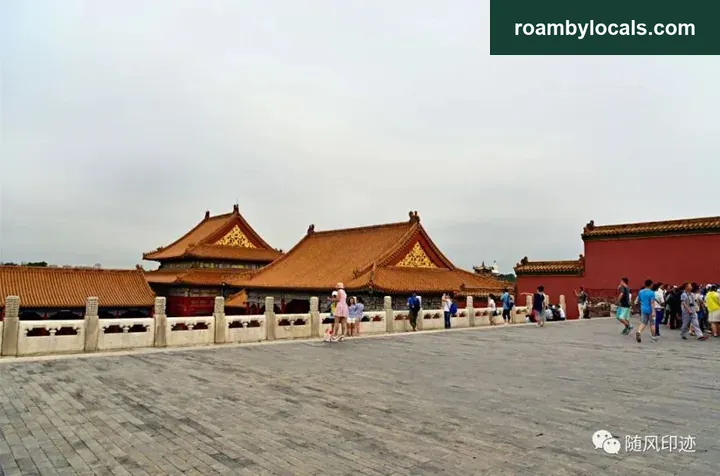
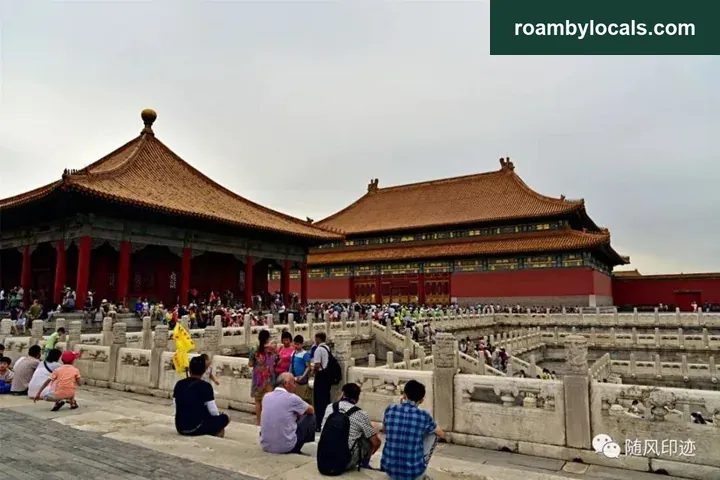
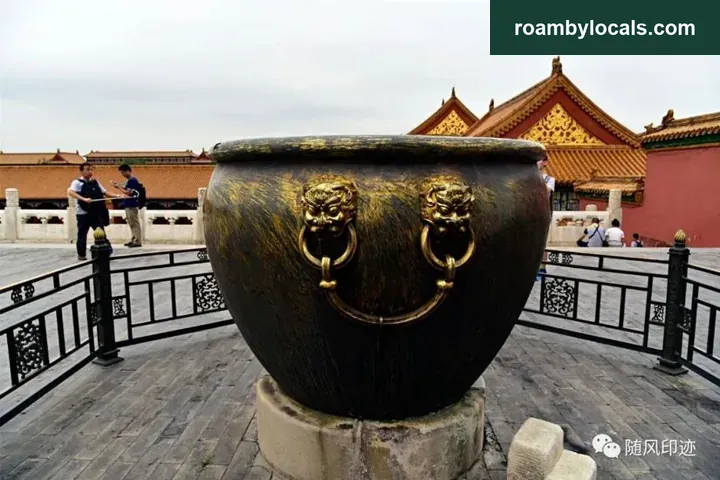
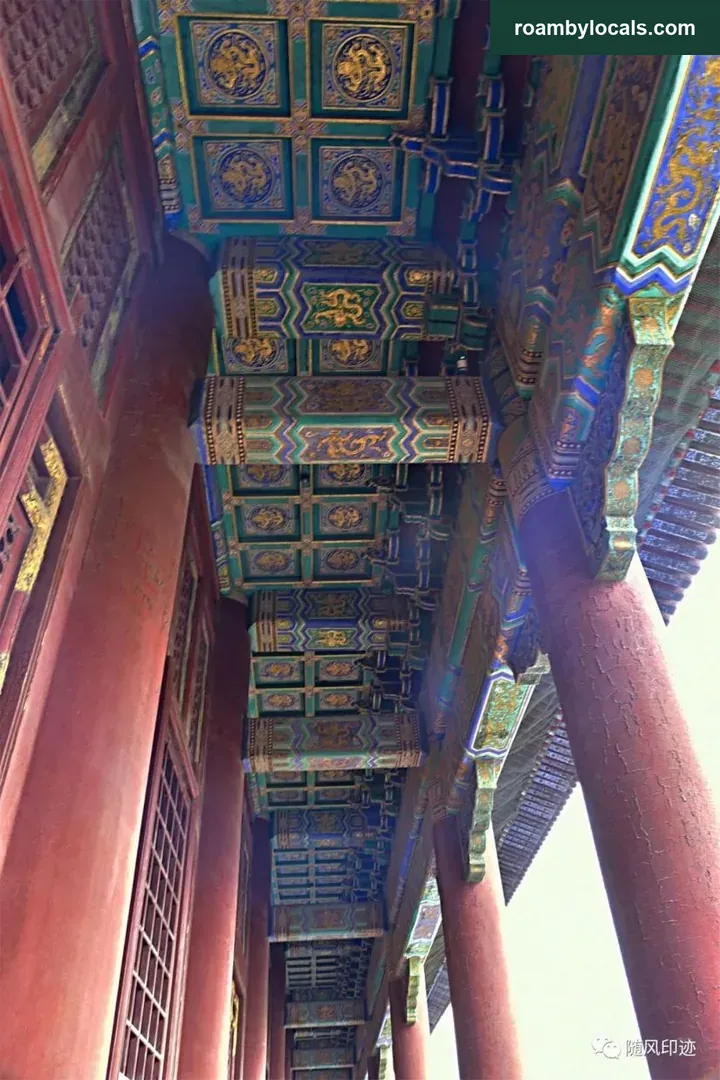
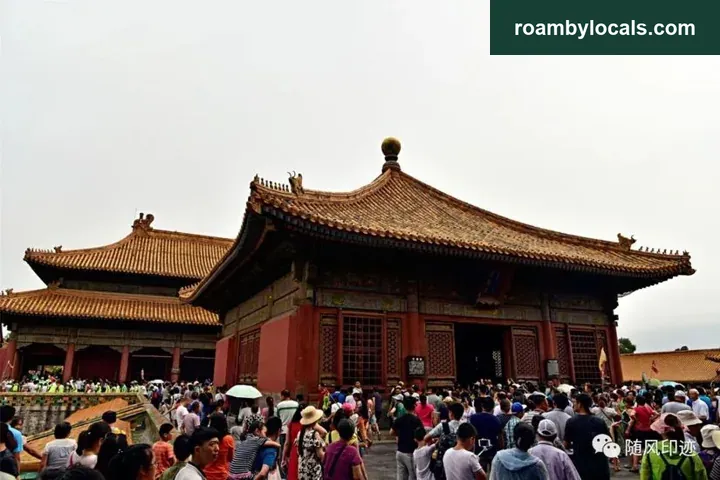
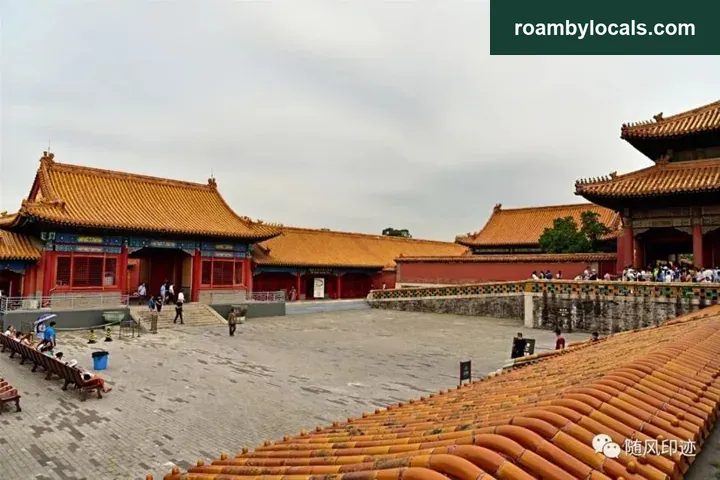
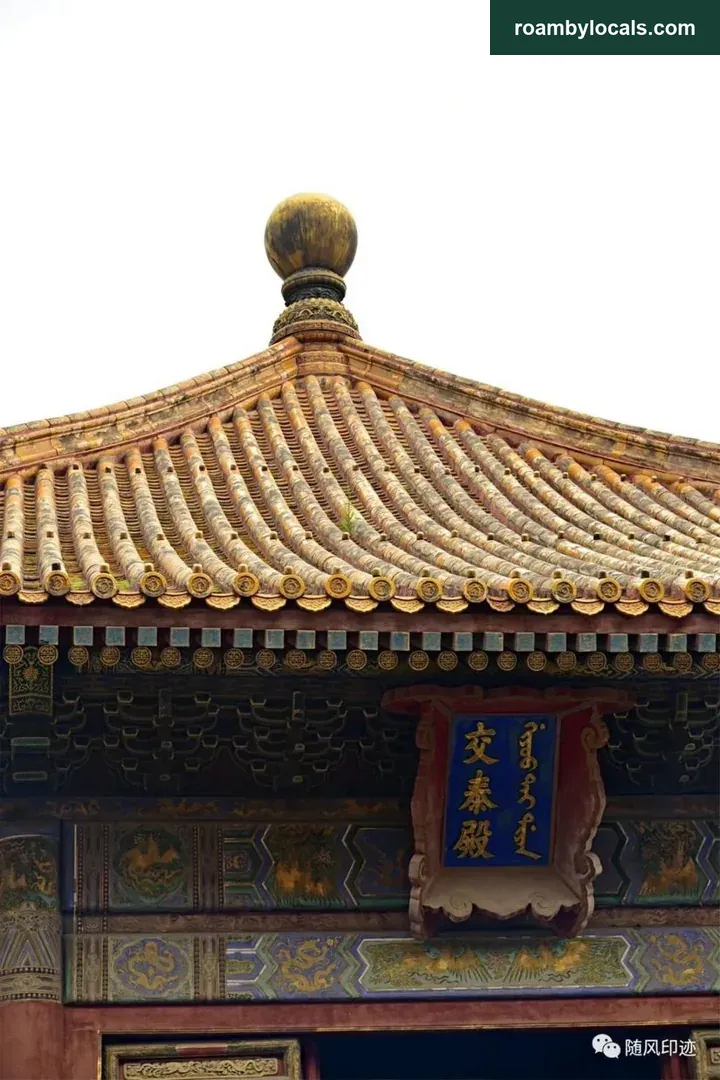
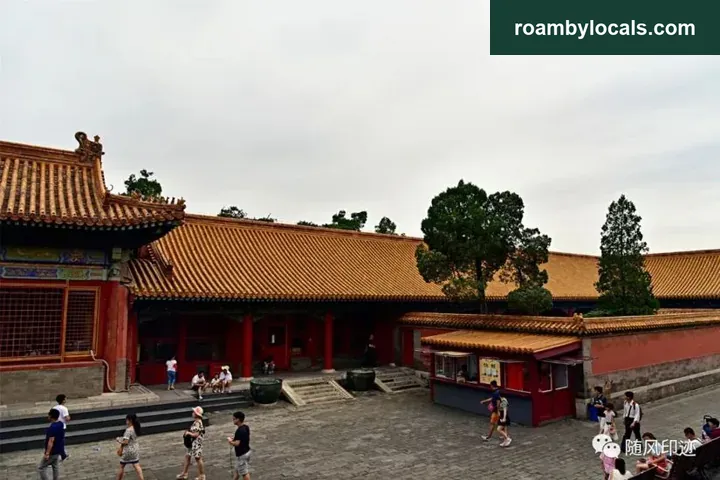
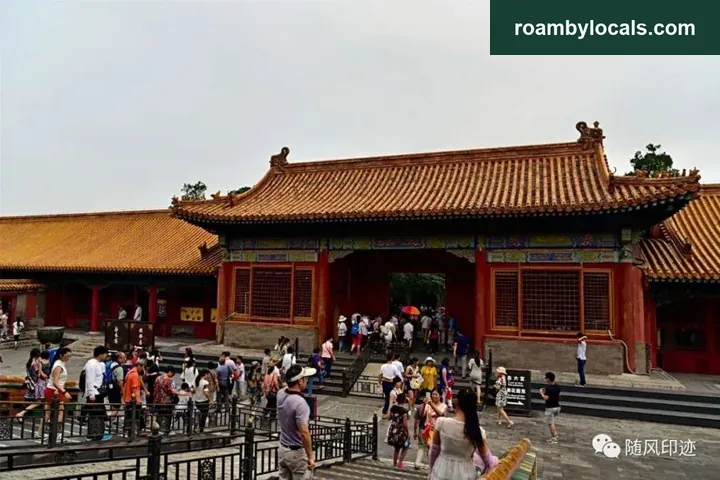
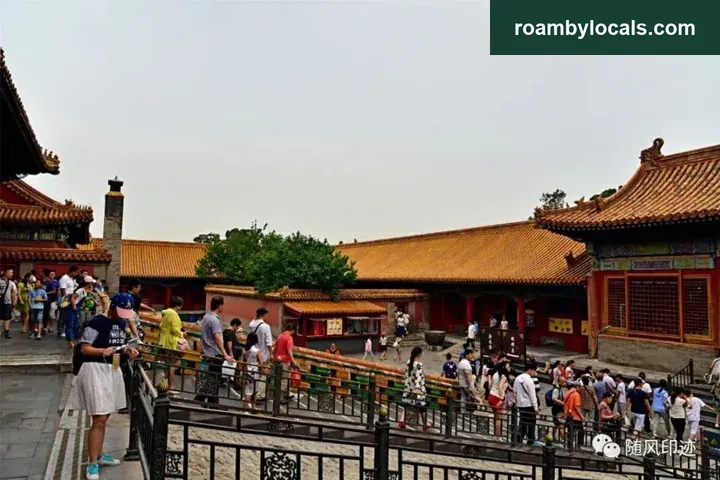
There is not a tree in the entire Forbidden City until you reach the Imperial Garden at the back, where most are ancient cypresses several centuries old.
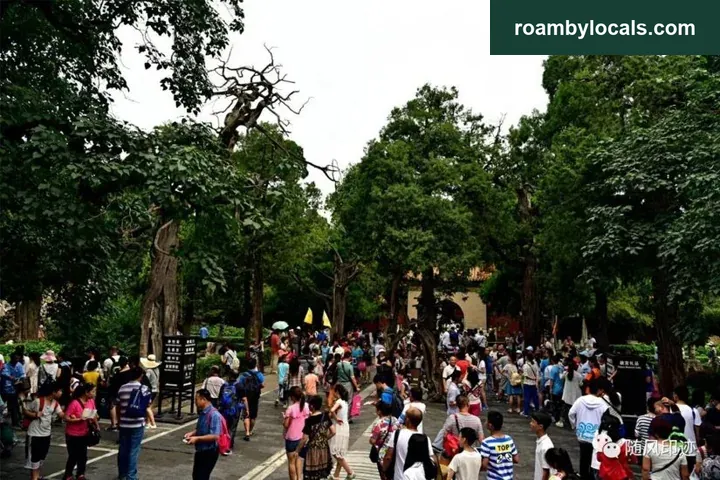
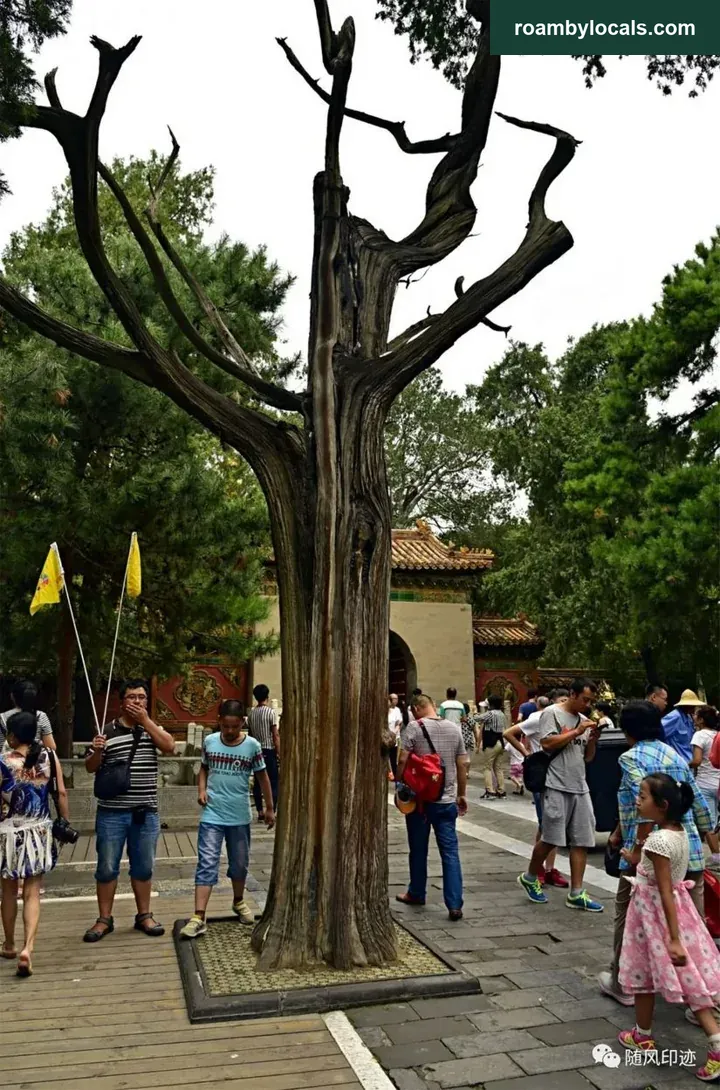
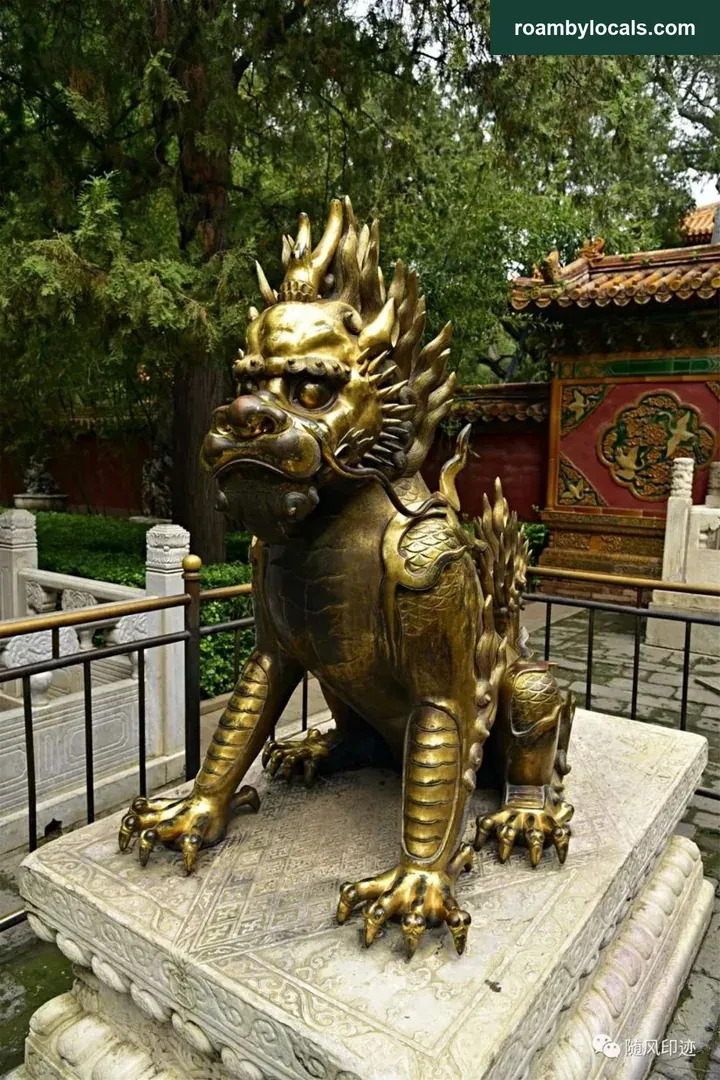
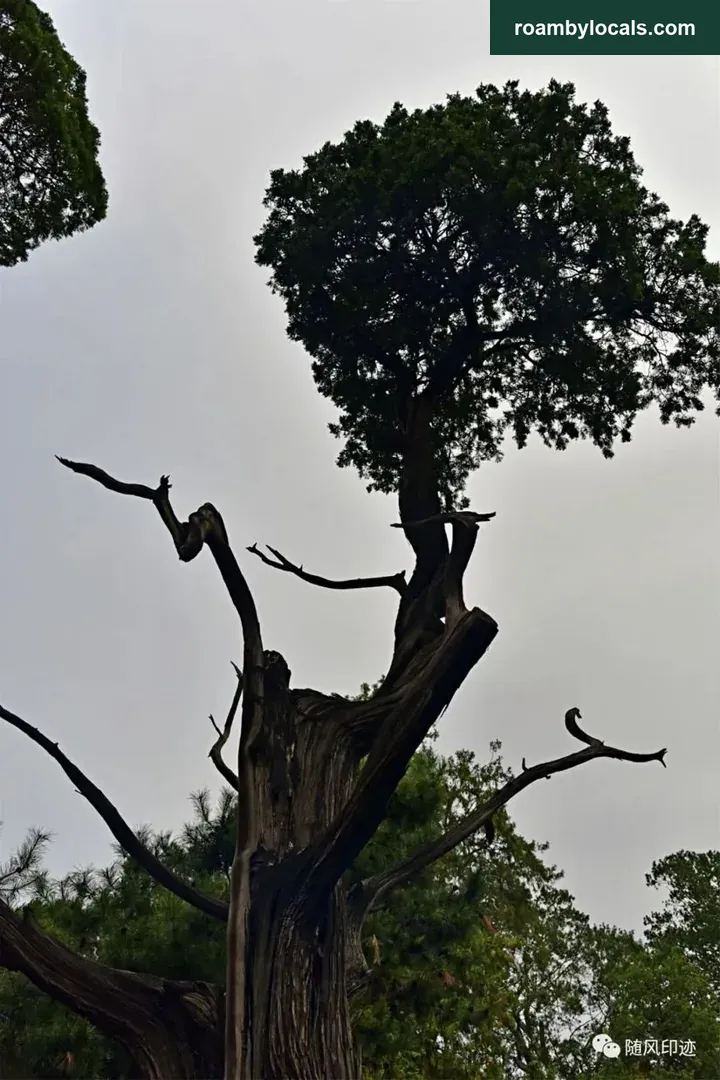
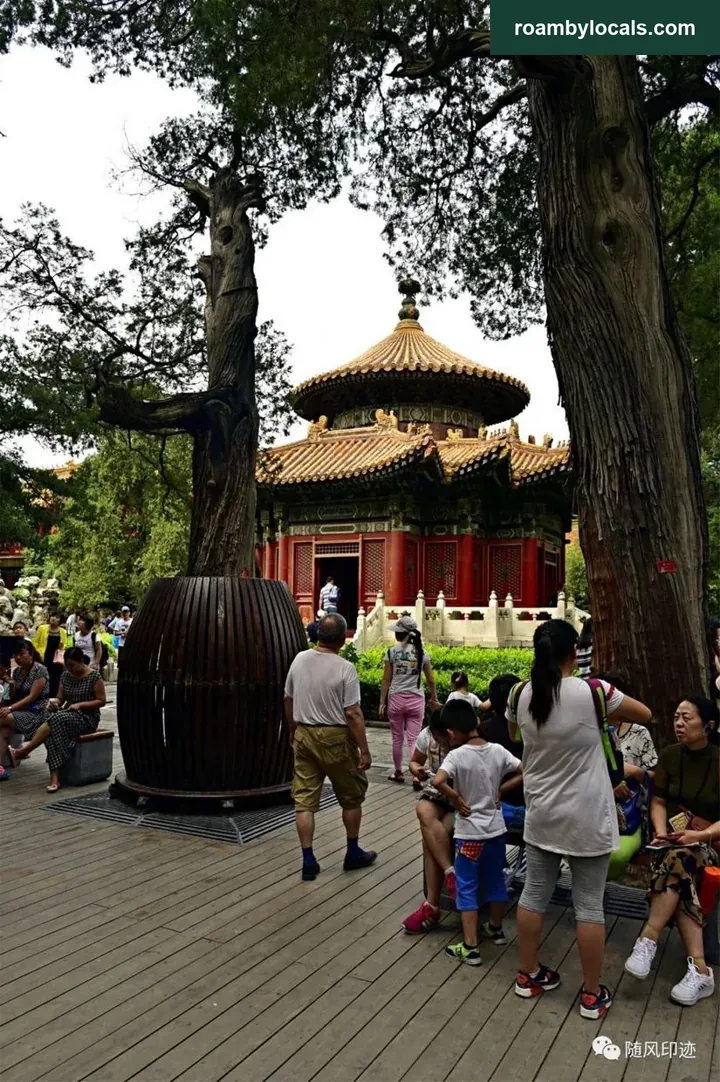
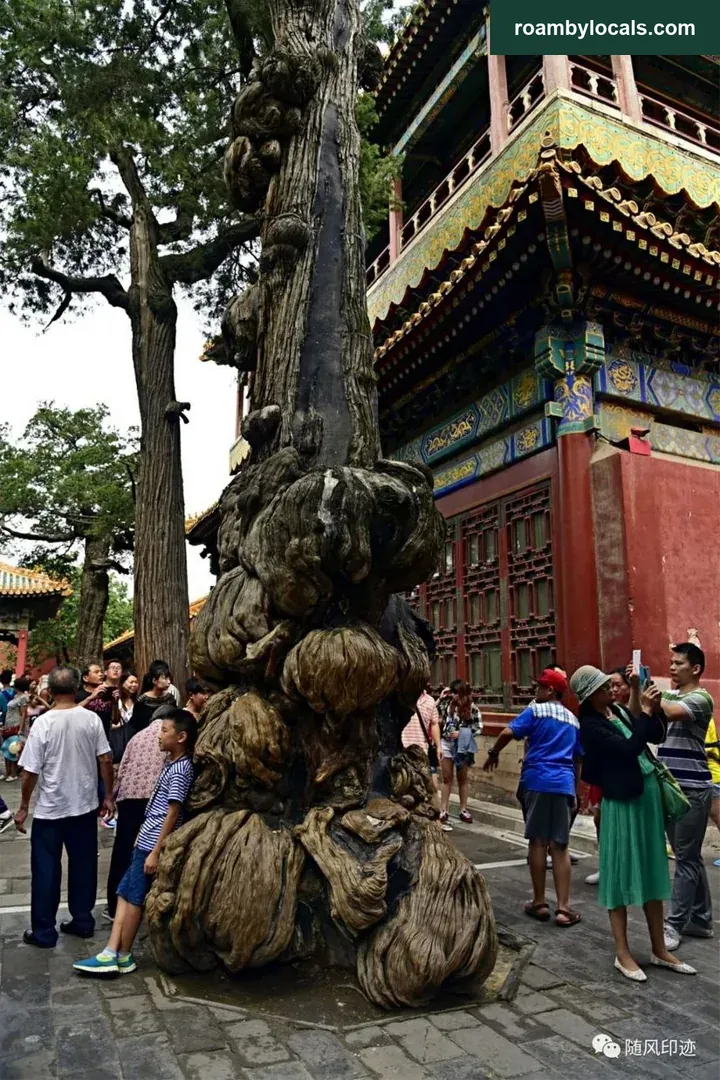
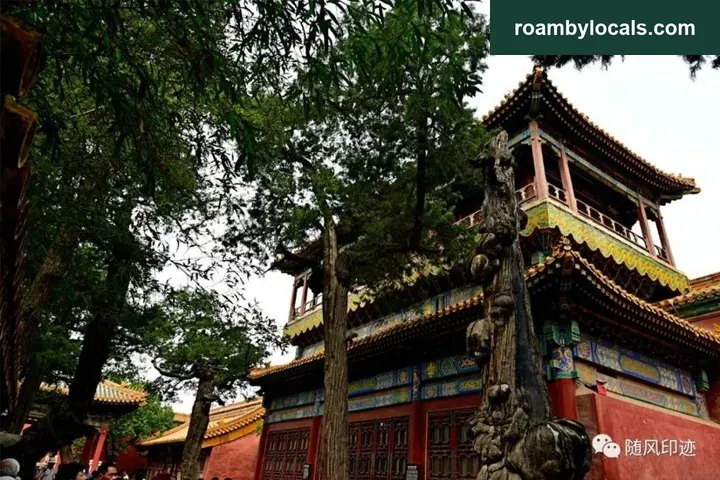
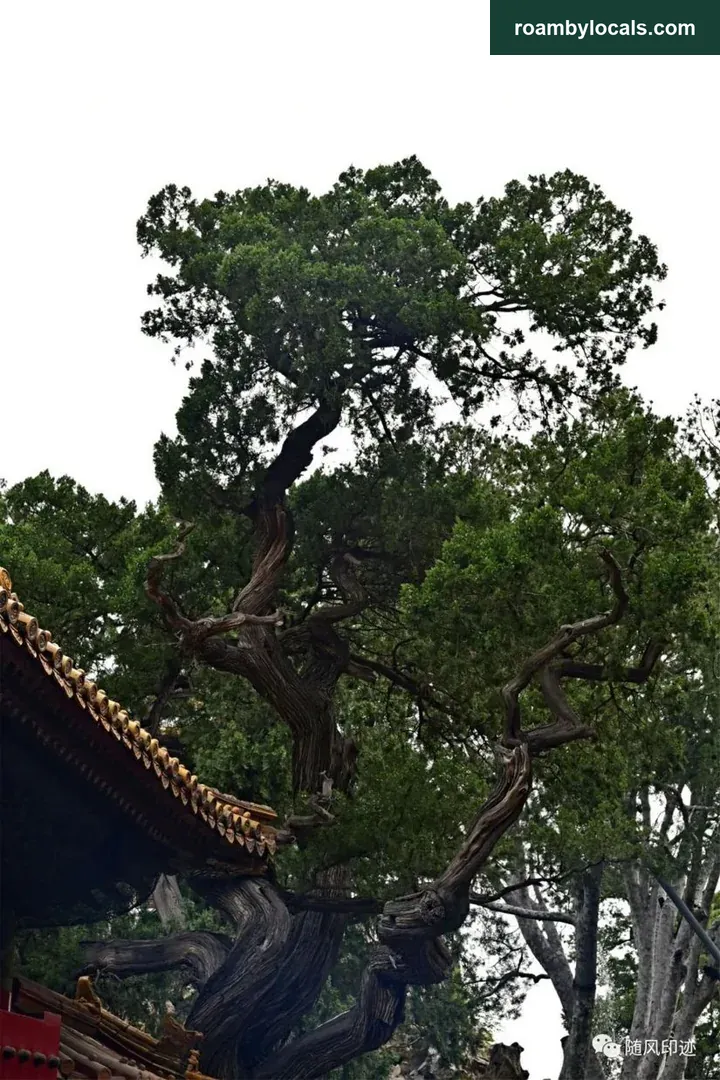
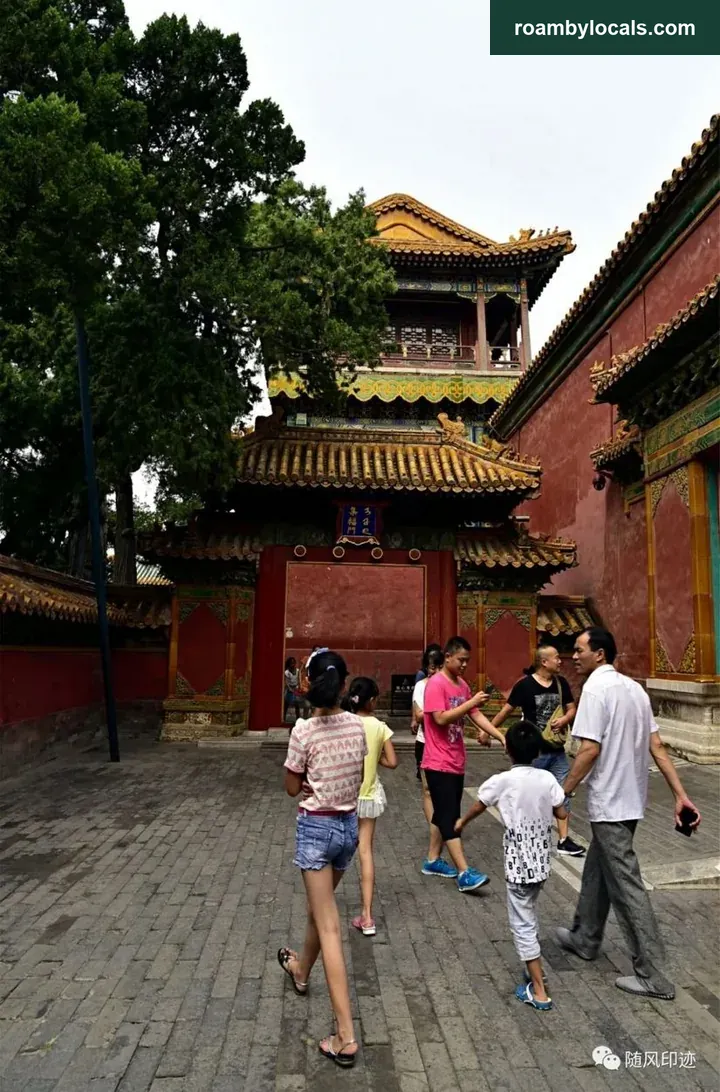
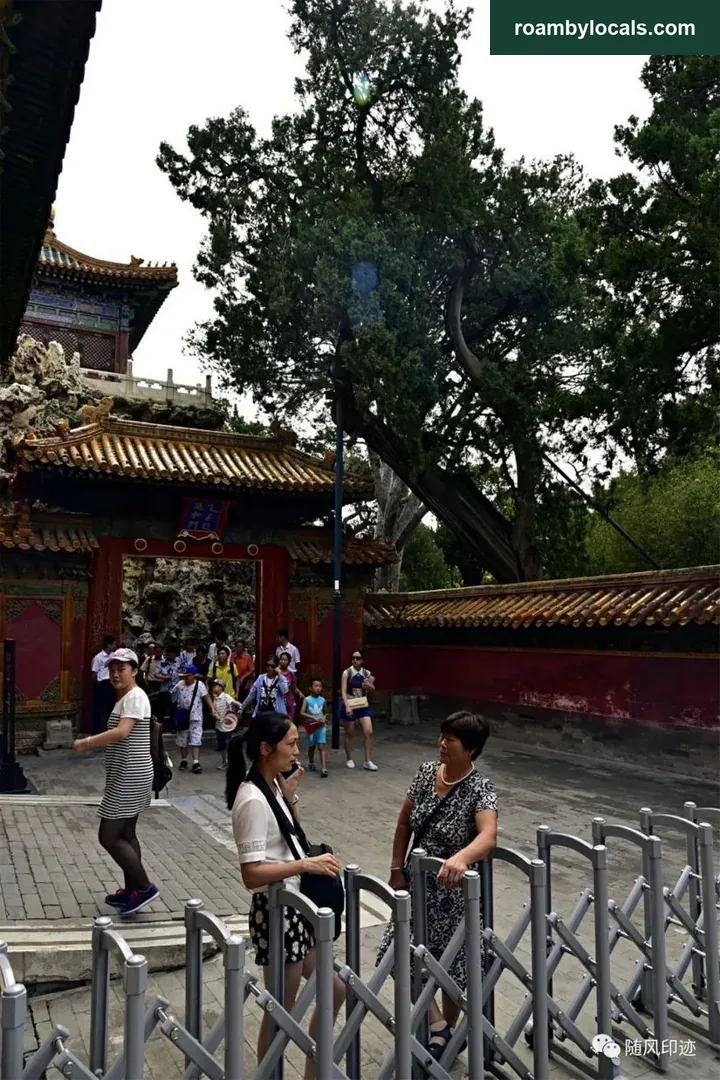
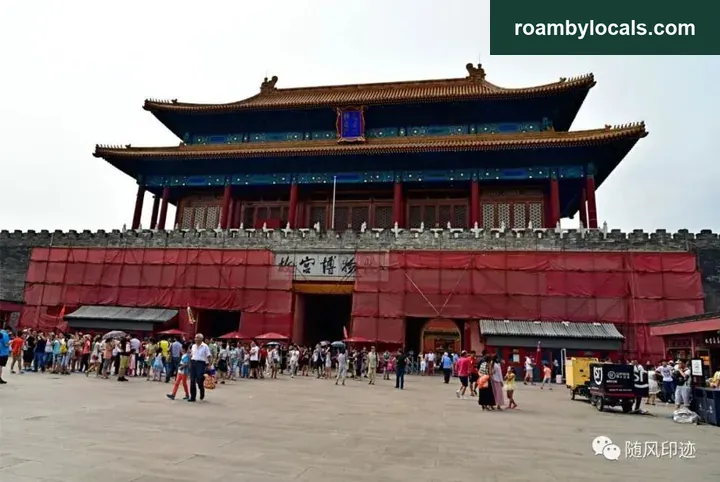
The northern gate’s walls were being repaired.
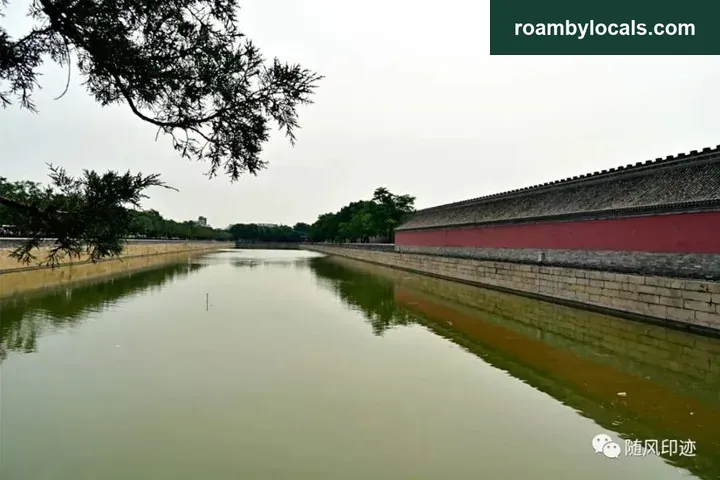
A few photographs of the moat outside the northern gate.
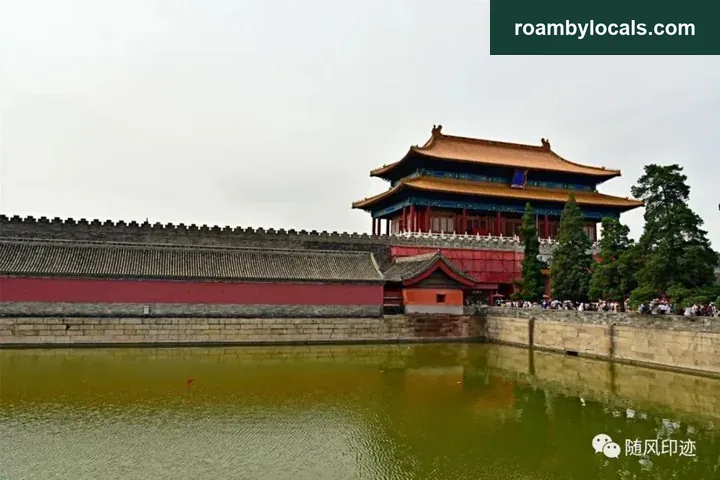
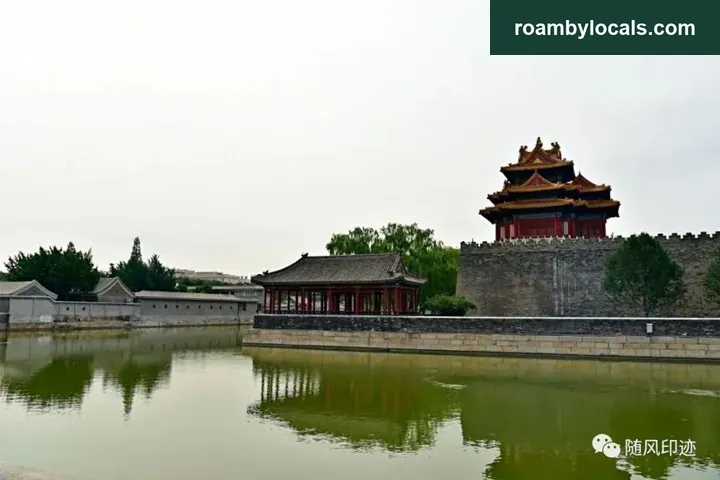
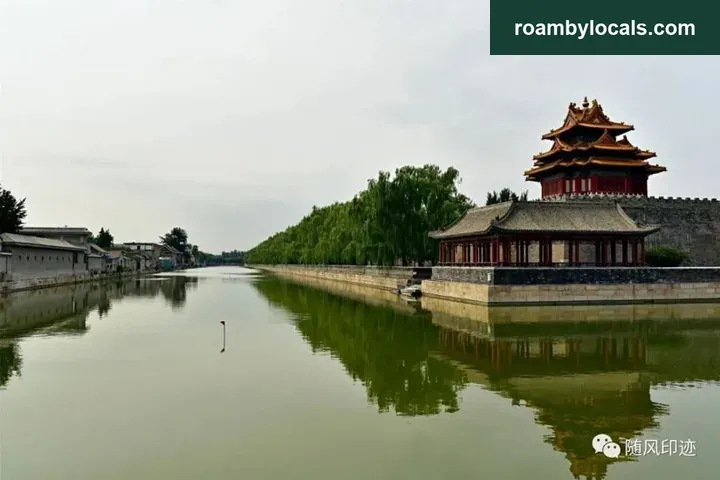
It was a hurried glimpse, a cursory visit, but at least I had been. I will finish with two panoramic photographs of the Forbidden City found online, one looking south and one north.
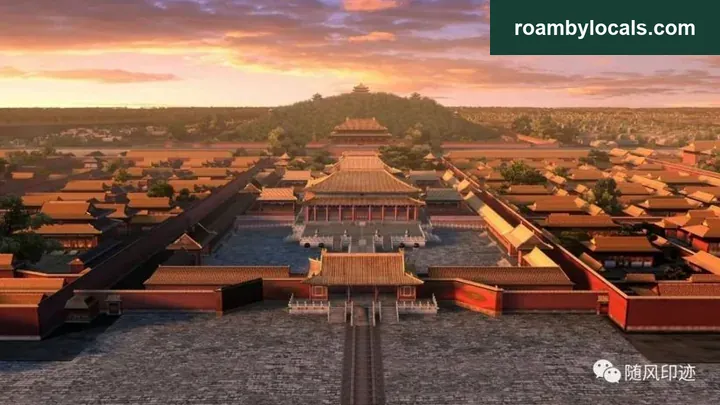
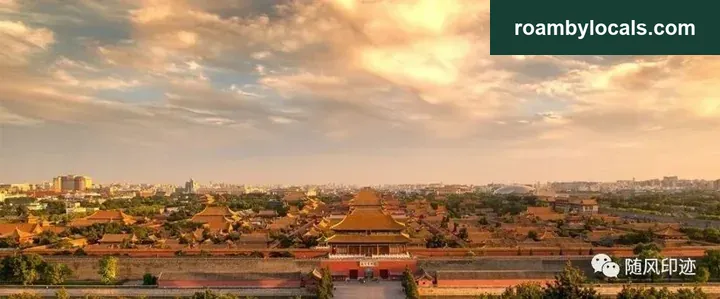
(Author: $随风随缘)
Always on the road
Outdoor journeys, always on the road! The outdoors is simply a hobby; I hope one day to have travelled throughout China. When I have time, I will gradually write down my present and past journeys to share with you, perhaps grumbling occasionally. If you like them, scan the QR code below to follow. WeChat friends can also follow by clicking the blue ‘Suifeng Footprints’ text below the title. The journey is better with you!
(Author: $随风随缘)