A highland circuit
Here is the country’s largest core Qiang settlement area; the old town of Songpan built against the mountains, where Tibetan ruler Songtsen Gampo married Tang royal kinswoman Princess Wencheng; and Chuanzhu Temple, founded in 1270 and called Zhuolun Gongba for short.
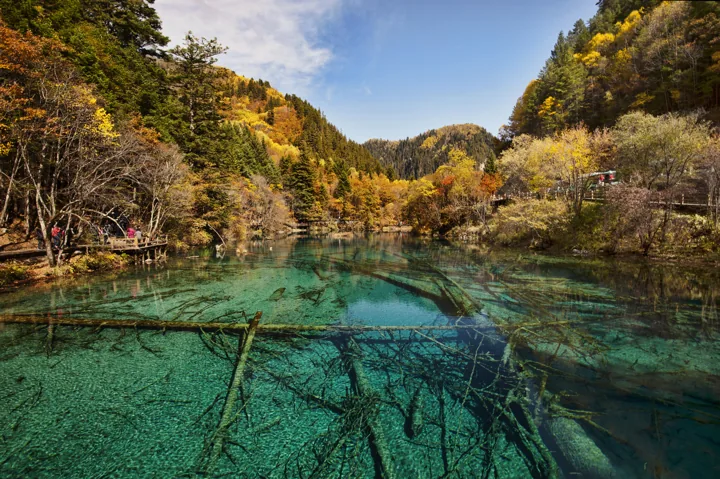
Here are Huanglong, a celestial pool on earth; Jiuzhaigou, after whose waters no others compare; the First Bend of the Yellow River; Flower Lake, China’s most beautiful wetland; Miyaluo, kingdom of maple leaves; and Dagu Glacier, the lowest, largest and youngest glacier yet discovered in the world.
Ruoergai is China’s second-largest grassland. The Red Army’s 25000-li Long March passed through repeatedly, leaving moving stories and revolutionary sites.
Such scenery belongs in heaven, a fairyland descended to earth: a truly golden highland road!
Maoxian: Qiang heritage and Diexi Lake
01. Maoxian
1.1. Ancient Qiang City of China
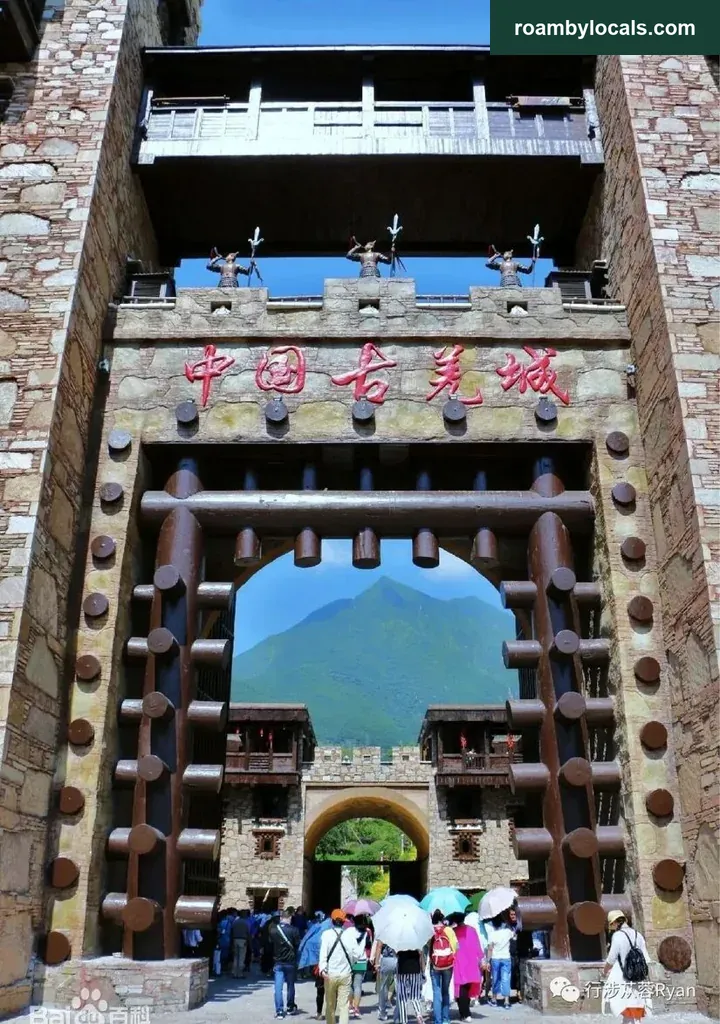
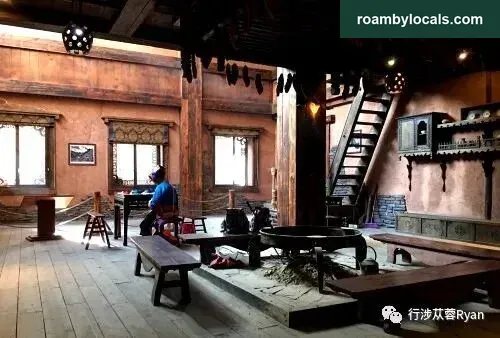
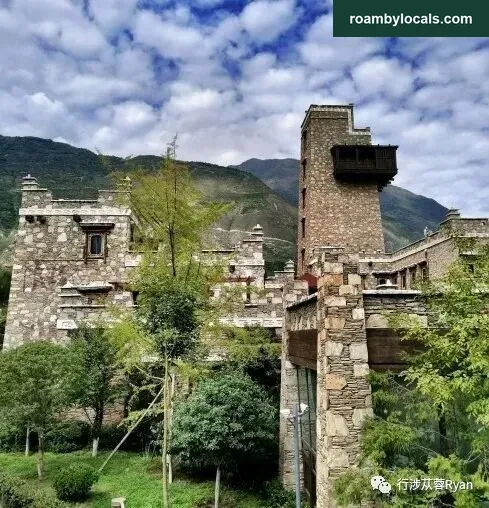
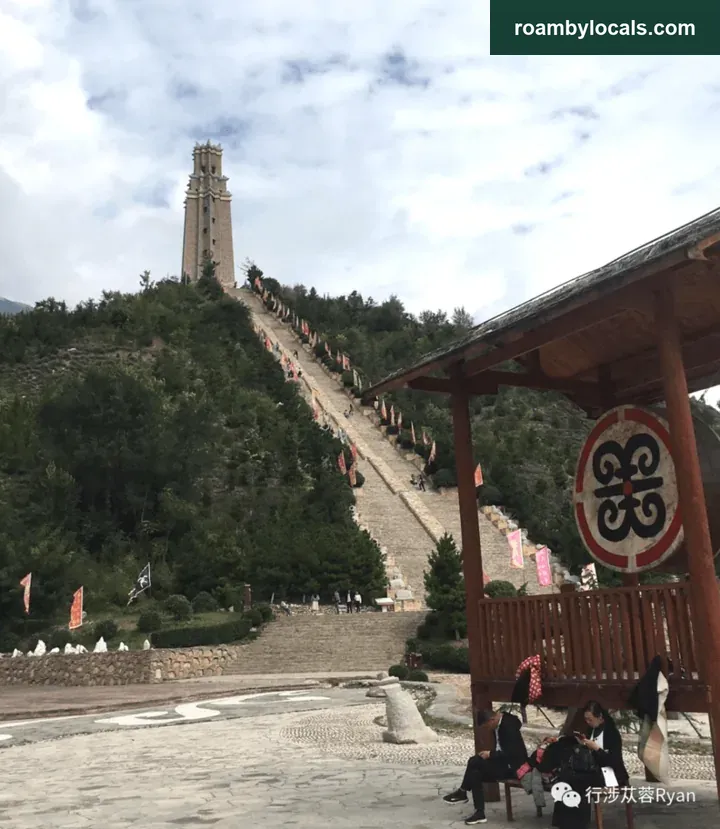
In Maoxian, Aba Prefecture, Ancient Qiang City is the country’s largest core Qiang cultural conservation area and settlement centre. It preserves Qiang architecture, customs and ritual traditions, fully expressing the culture’s original setting and ways of life. It is a place for living displays and performances of Qiang culture, cultural leisure and experiences.
1.2. Diexi Lake
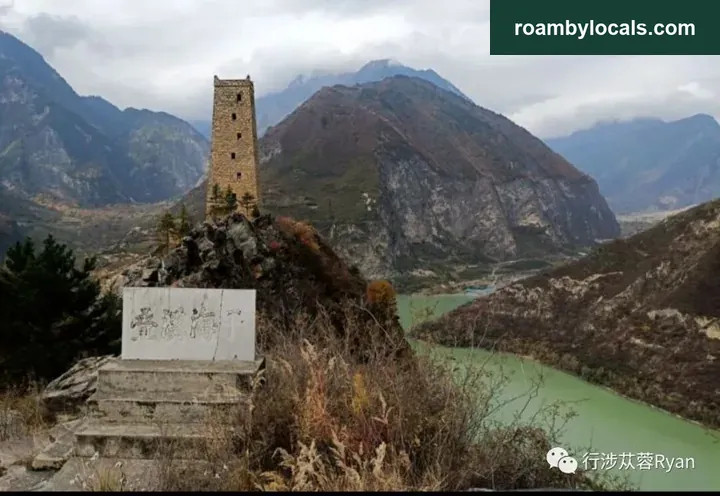
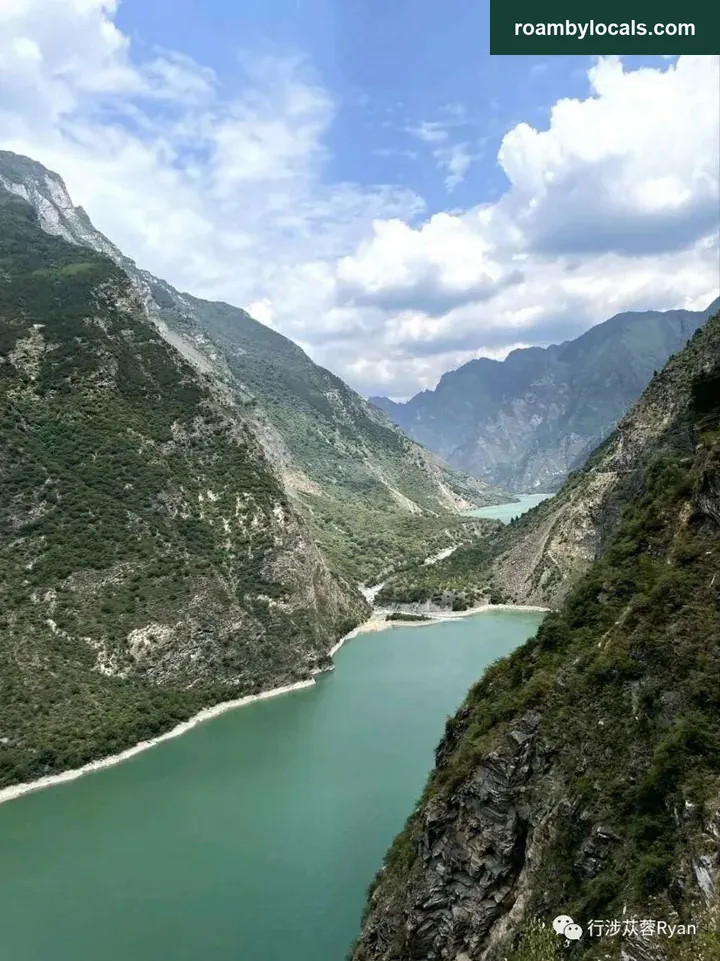
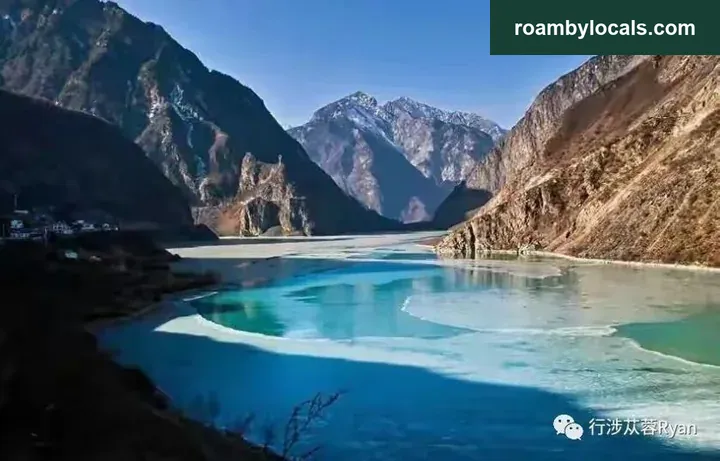
Diexi Lake is an earthquake-created barrier lake on the upper Min River. On 25 August 1933, a powerful magnitude-7.5 earthquake struck Diexi Town north of Maowen, at a depth of 6 kilometres. The lake is around 1 kilometre wide and over 10 kilometres long, with connected upper and lower sections resembling an intestine.
Songpan, Munigou and Huanglong
02. Songpan
2.1. Munigou
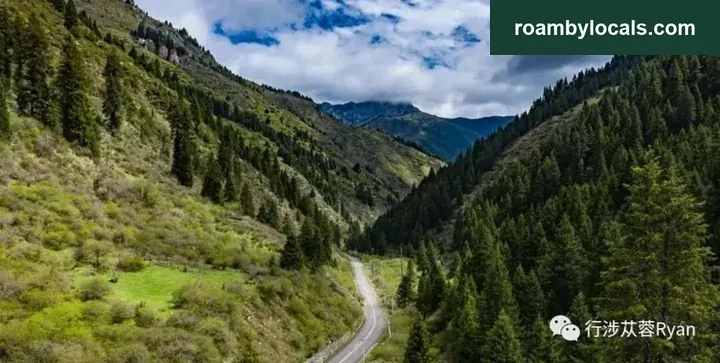
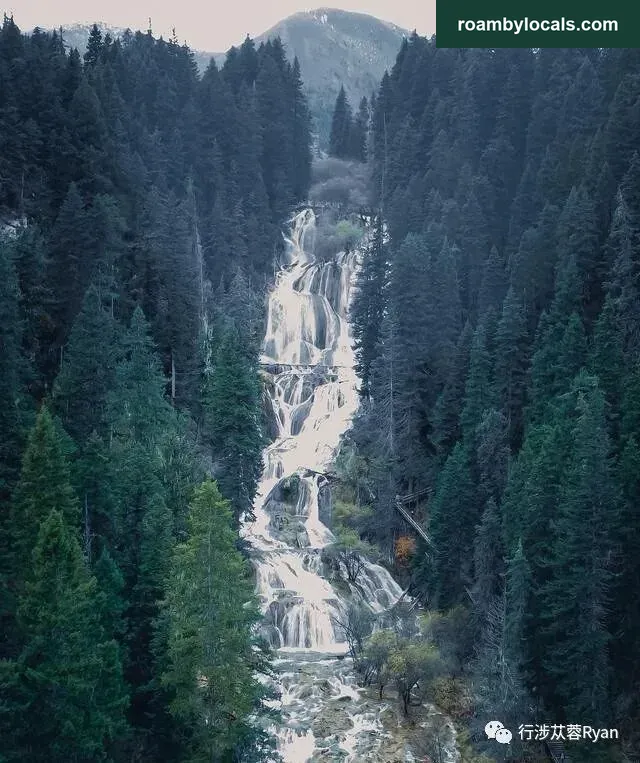
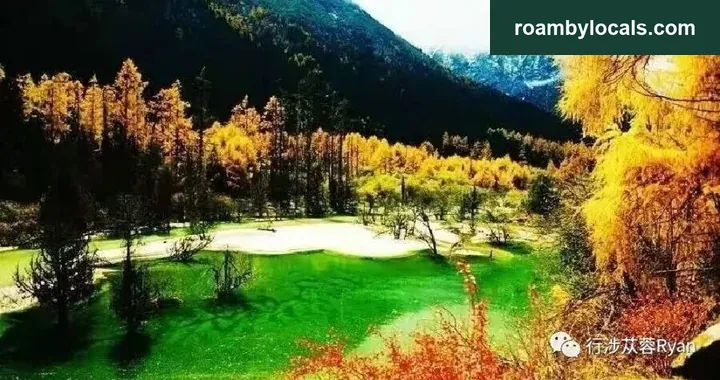
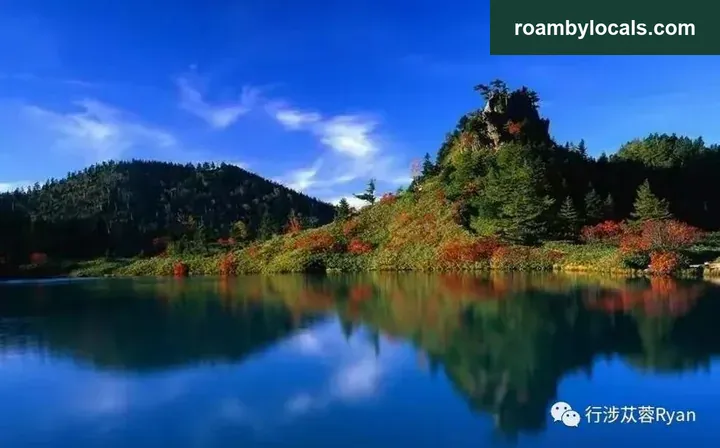
Munigou is a colourful hidden corner of Songpan, a little-visited mountain scenic area comprising Zhaga Waterfall and Erdaohai. Small but exquisite, it is pristine and quiet, with few visitors and fine scenery. Old-growth forest, alpine lakes and calcified pools are its main features, harmoniously joined by meadows, hot springs, waterfalls, snow mountains and rich Tibetan cultural surroundings.
2.2. Songzhou Old Town
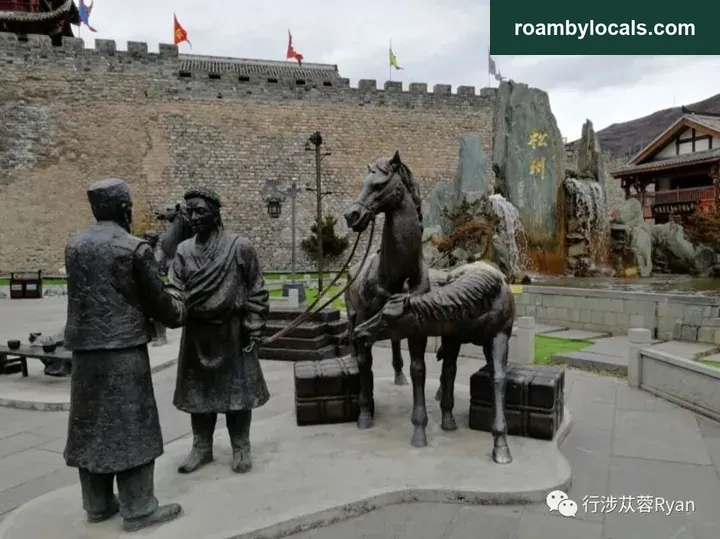
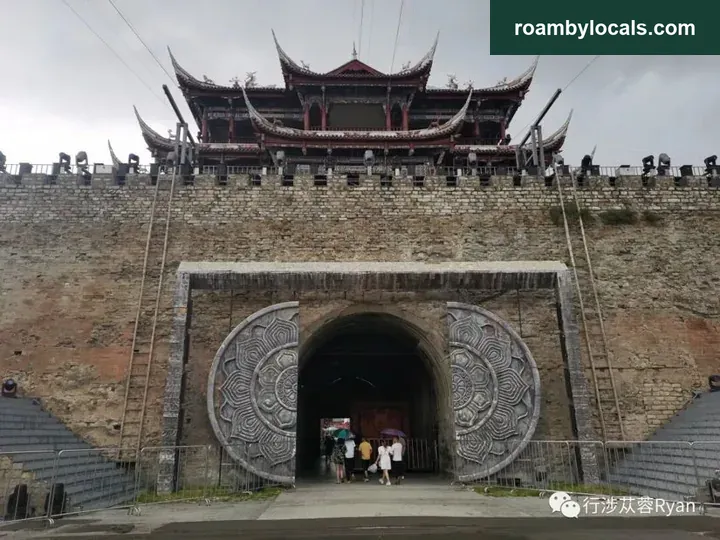
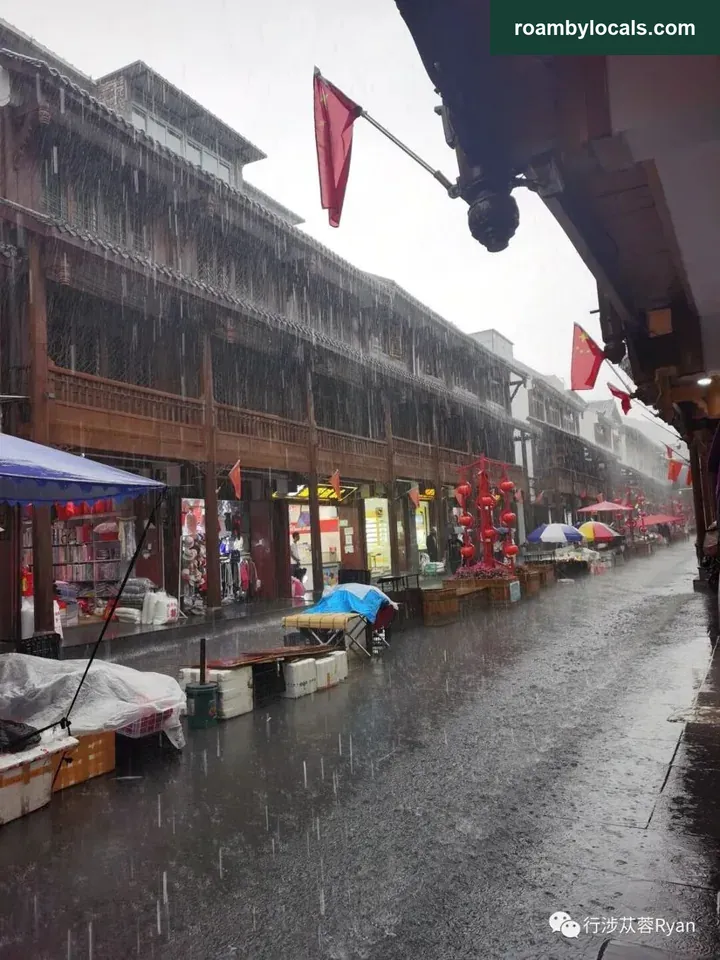
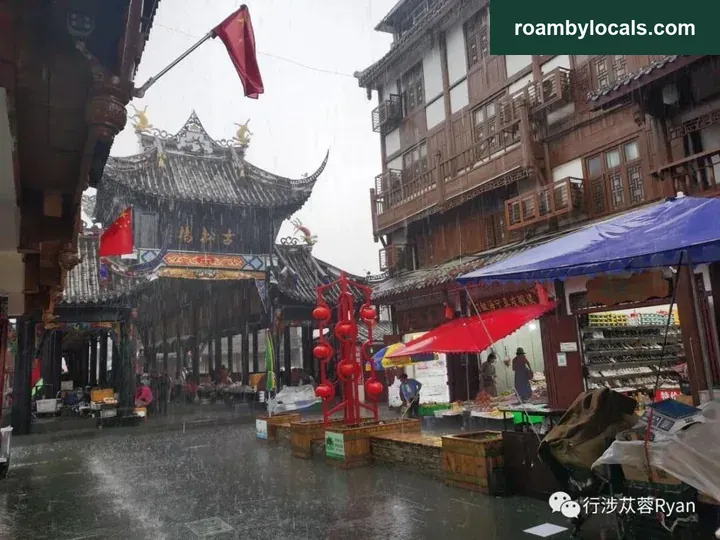
Built against the mountains, Songpan was an important town of northern Sichuan and a military stronghold in ancient times. Songtsen Gampo married Princess Wencheng of the Tang royal clan here, a marriage that fostered enduring Han–Tibetan cultural exchange. The old town has a strong Tibetan and Qiang character but is also very inclusive, with Han residents settled throughout it.
The weather changes quickly. It was pleasant when we arrived, but soon torrential rain fell and temperatures plunged. We narrowly missed a mudslide.
2.3. Huanglong
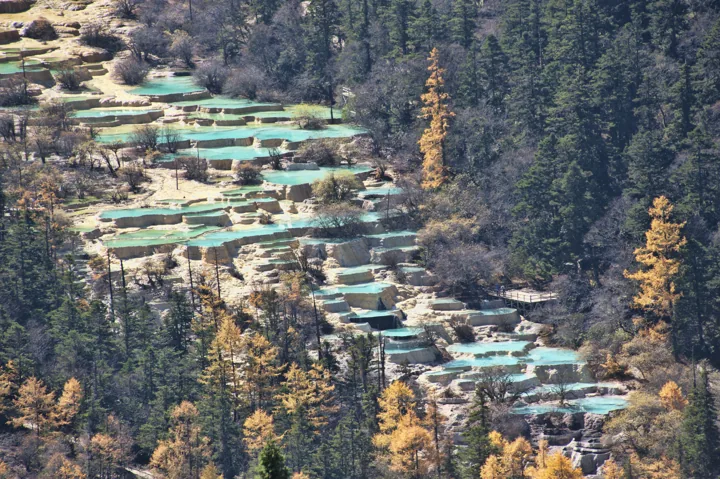
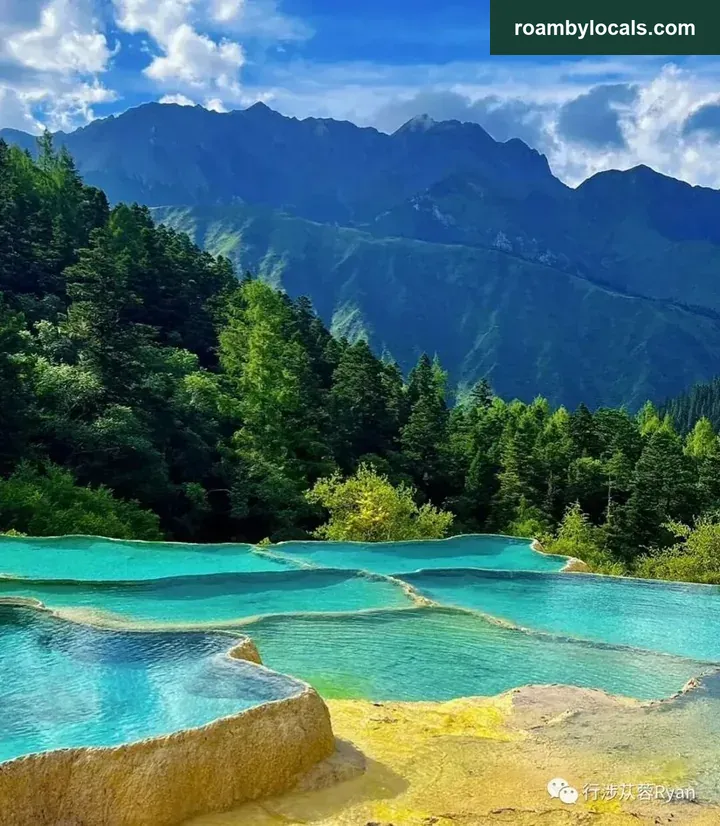
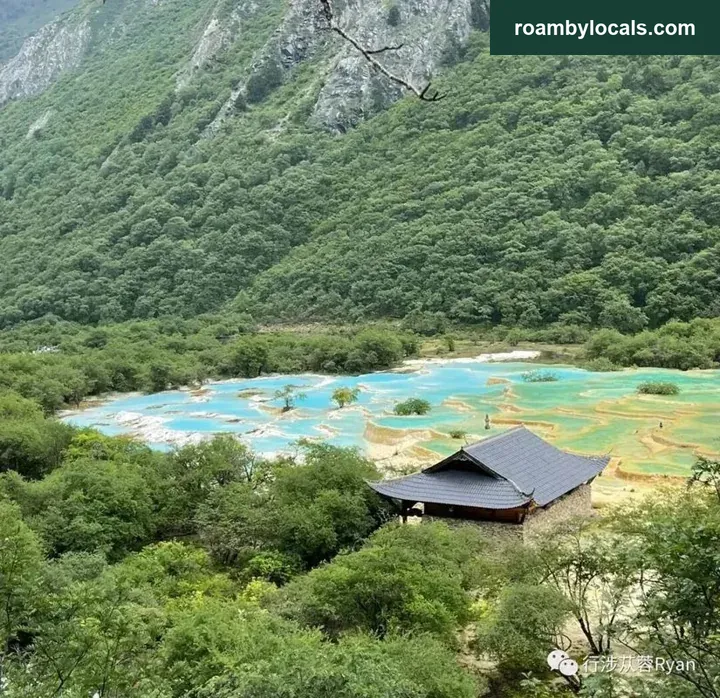
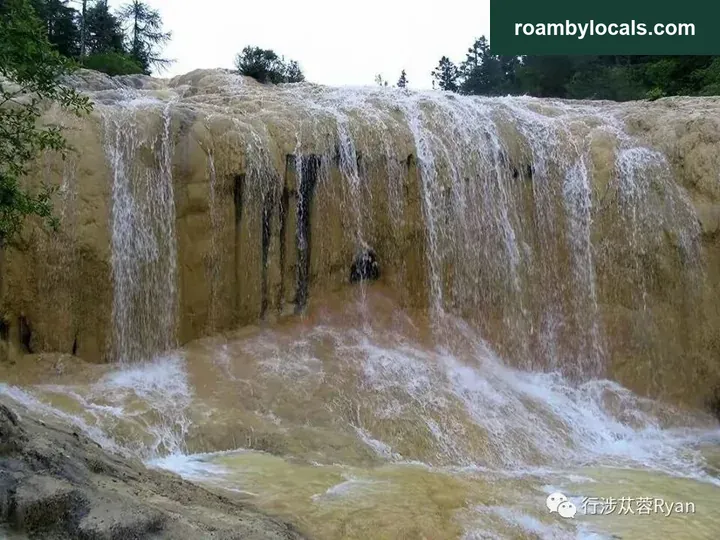
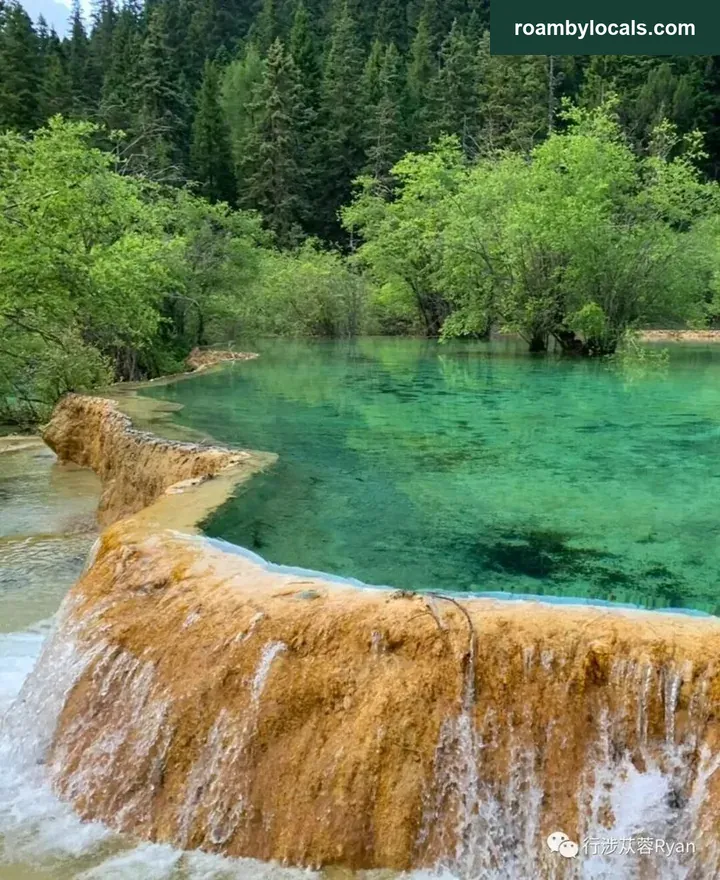
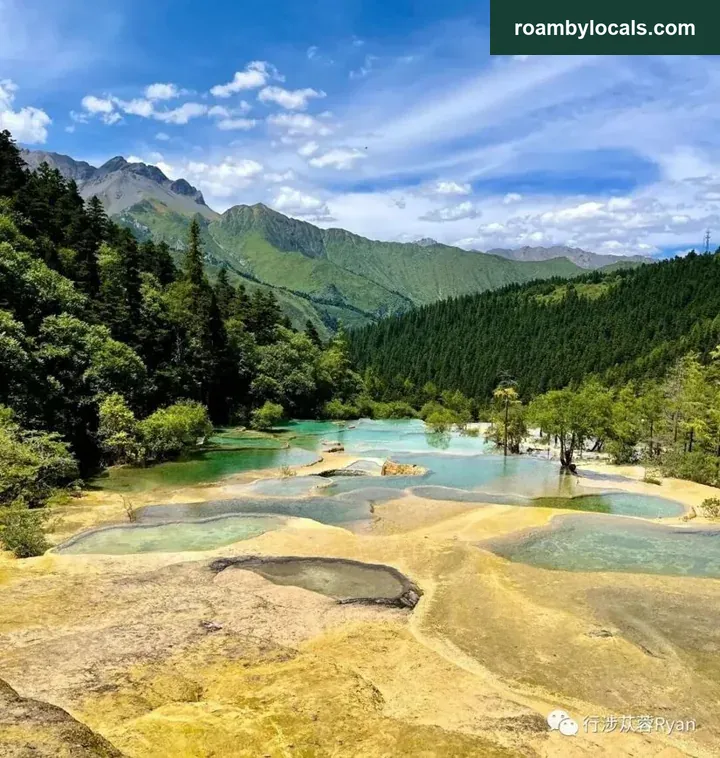
Huanglong is famous for colourful pools, snow mountains, gorges and forest, with pools, lakes, shoals, waterfalls, springs and caves of many forms set among them. Its brilliant colours have earned it the names ‘wonder of the world’ and ‘celestial pool on earth’.
The pools vary in size and shape. Sparkling and clear, they turn many colours in the light, forming the Five-Coloured Pools, like a fairyland.
This rare highland cold-water travertine landscape resembles a huge dragon with gleaming scales, lying beneath Xuebaoding, the main peak of the Min Mountains, in a north–south Quaternary glacial valley.
Chuanzhusi and Jiuzhaigou
03. Jiuzhai
3.1. Chuanzhusi
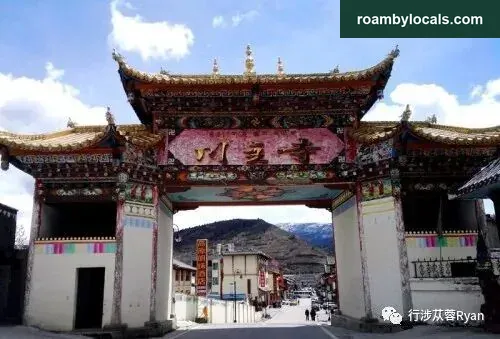
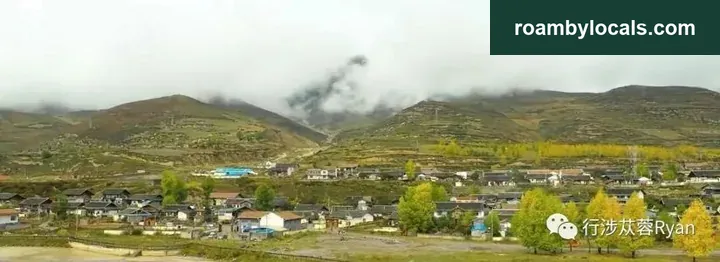
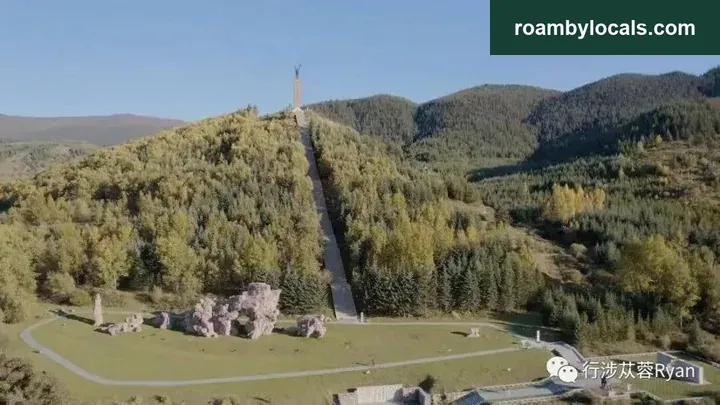
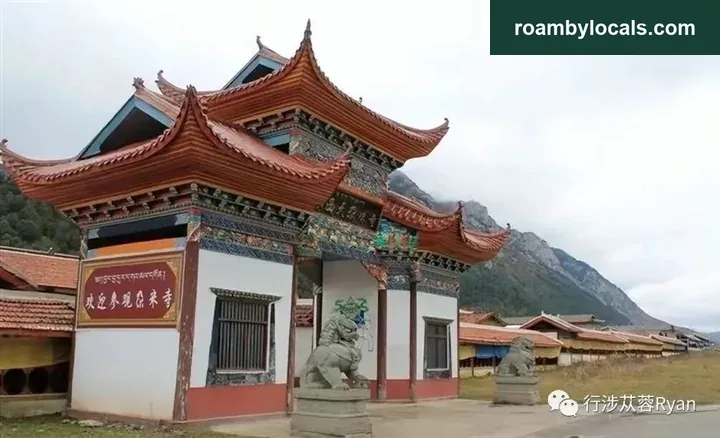
Chuanzhusi Town lies in northern Songpan County at an average altitude of 2980 metres. Chuanzhu Temple is in the town, centrally positioned between Jiuzhaigou, Huanglong and Ruoergai grassland, at the crossroads of the Songpan, Hongyuan, Jiuzhai and Huanglong roads. Huanglong is 39 kilometres east, Jiuzhaigou 87 kilometres north, Hongyuan grassland 40 kilometres west and Songpan Old Town 17 kilometres south. It is a necessary stop on the route from Songpan to Jiuzhai and Huanglong. Chuanzhu Temple was founded in 1270 and is called Zhuolun Gongba for short.
3.2. Jiuzhaigou
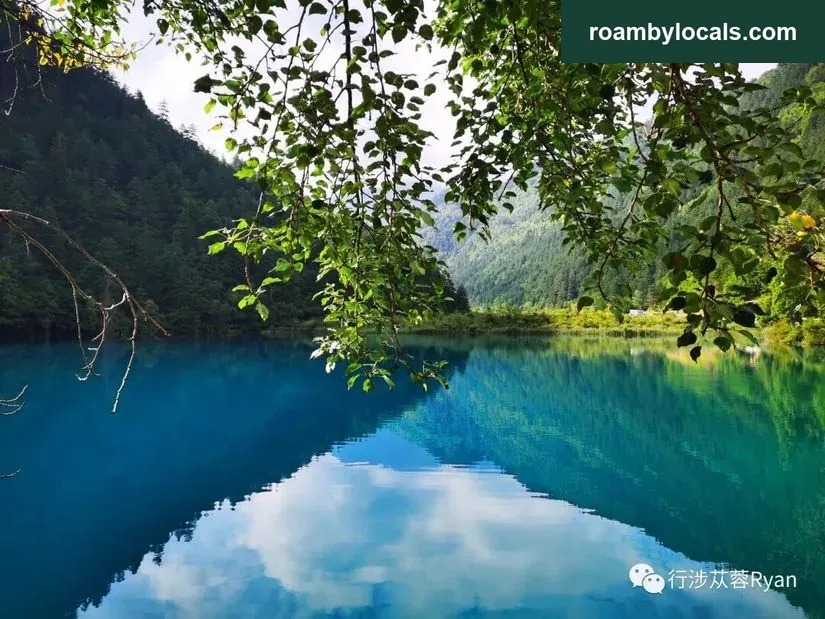
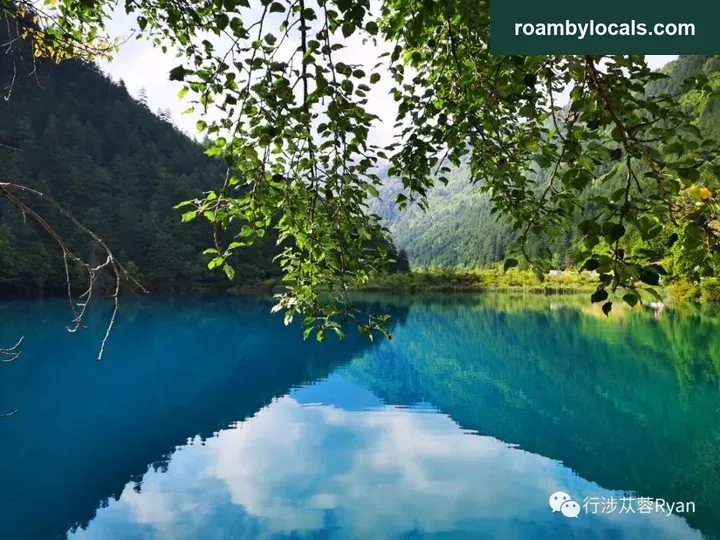
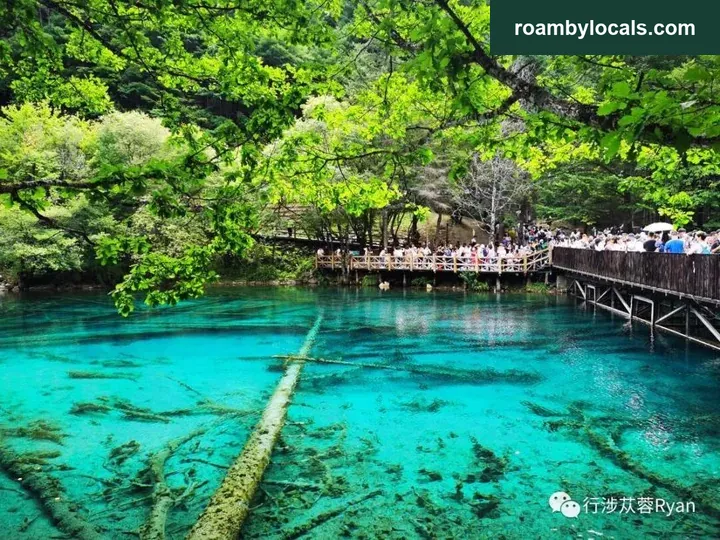
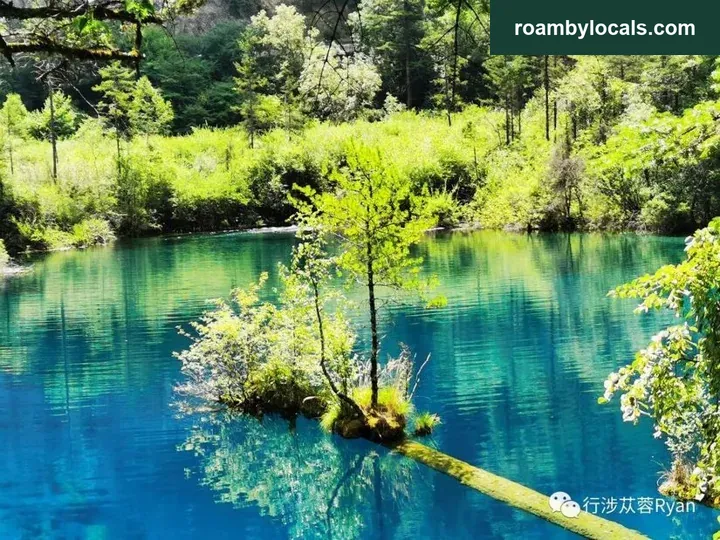
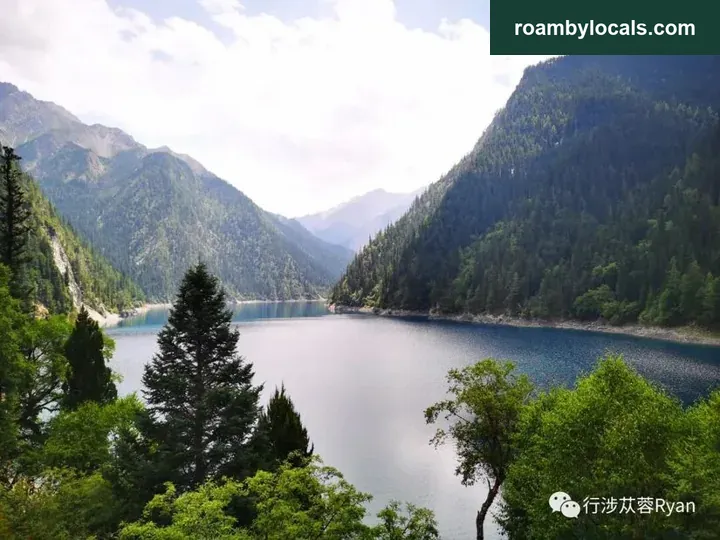
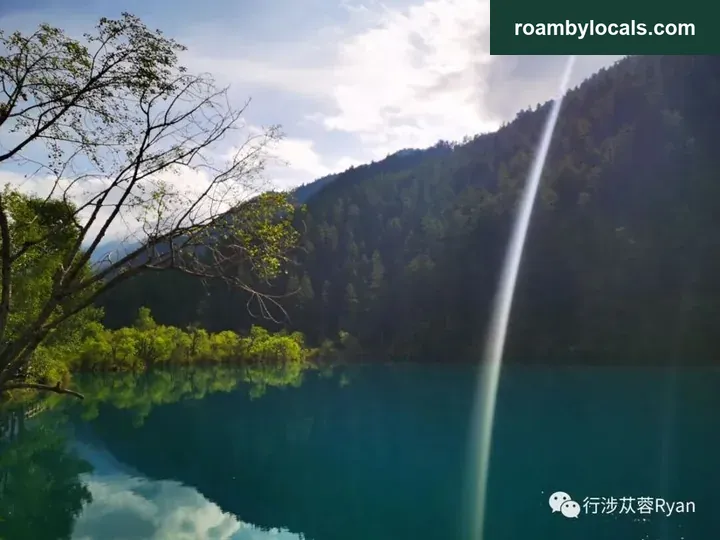
After Jiuzhai, no other waters compare: water is its soul. More than 100 emerald lakes, over 40 springs and dozens of gorges and waterfalls create its miniature landscape. Clear green lakes sit like mirrors among forested mountains. Distant snowy peaks tower through mist, with layered ridges like a fairyland…
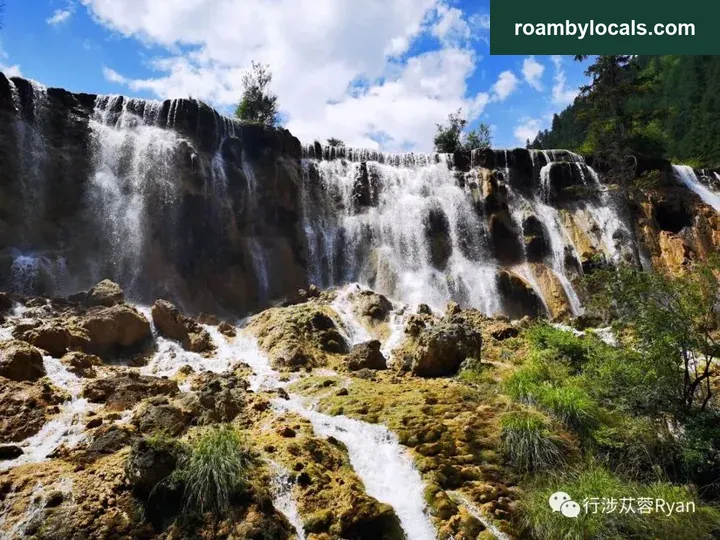
Alpine lakes, waterfalls, colourful forests, snow peaks, blue ice and Tibetan culture are together called Jiuzhaigou’s Six Wonders. It is known as the ‘king of waterscapes’.
The three main valleys, Zechawa, Rize and Shuzheng, form a Y, about 60 kilometres in total. Higher in the south and lower in the north, they are deeply cut with large elevation differences. The northern entrance stands at only 2000 metres, central ridges exceed 4000 metres and the southern edge exceeds 4500 metres. The main valley is over 30 kilometres long. The name comes from nine Tibetan villages, including Shuzheng, Heye and Zechawa.
Walking its paths, you are drawn to winding rivers, rushing waterfalls and multicoloured lakes. Every step is a beautiful picture, as though inside a fairy tale.
Ruoergai’s grassland, lakes and river bend
04. Ruoergai
4.1. Ruoergai Grassland
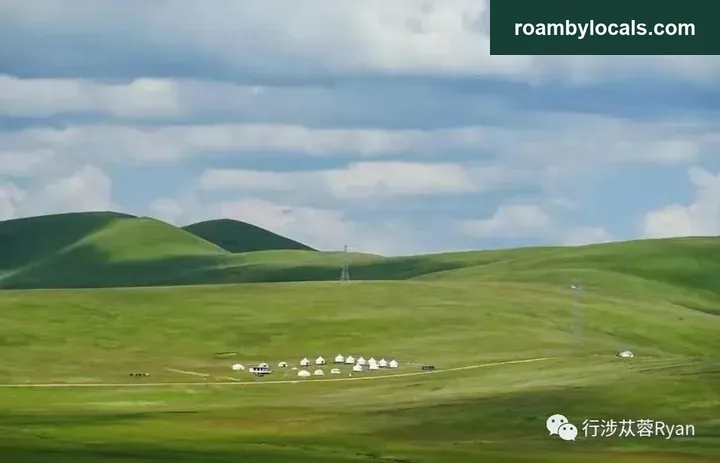
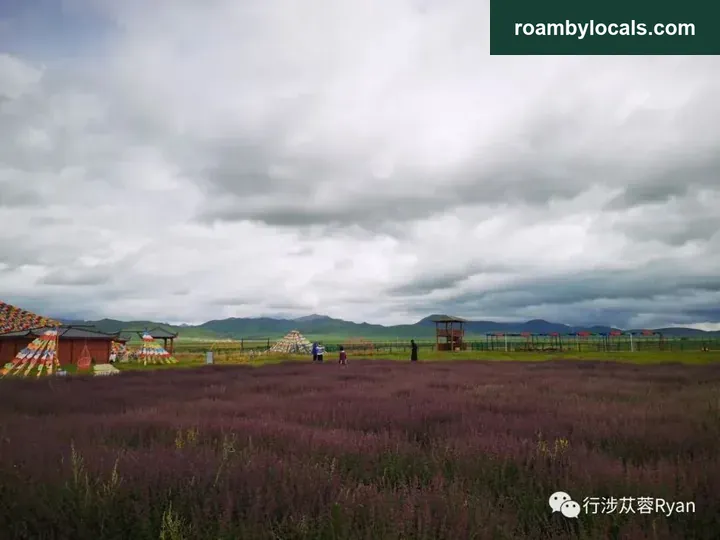
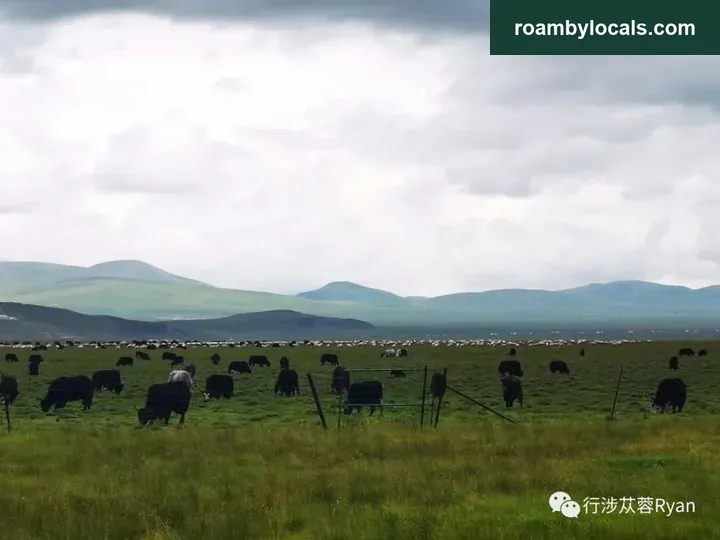
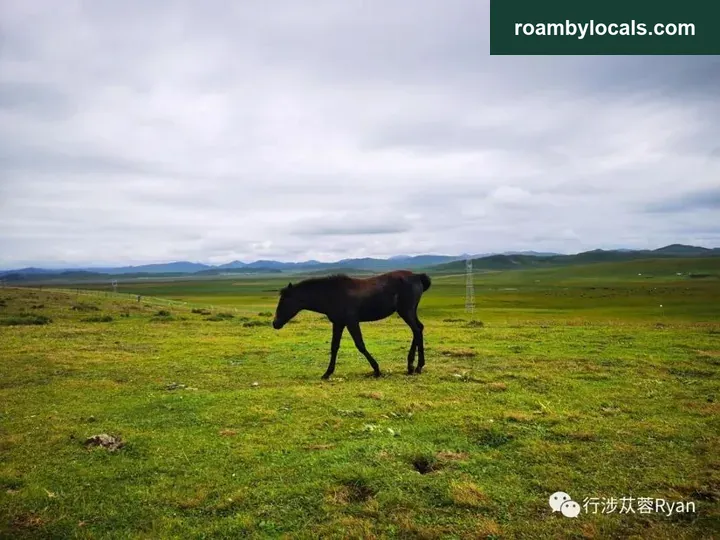
Ruoergai covers nearly thirty thousand square kilometres of meadow steppe and marsh. Flat, boundless and sparsely populated, it was crossed repeatedly during the Red Army’s 25000-li Long March, leaving stirring stories and revolutionary remains that made it famous in China and abroad.
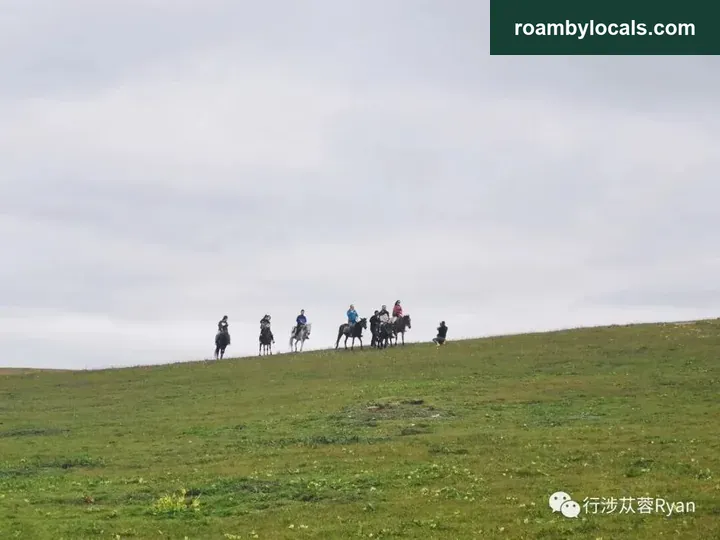
Summer is the grassland’s golden season: high clear skies, fresh air and excellent visibility. Between earth and sky, green grass, profuse flowers and delicate fragrance stretch without limit.
4.2. Flower Lake
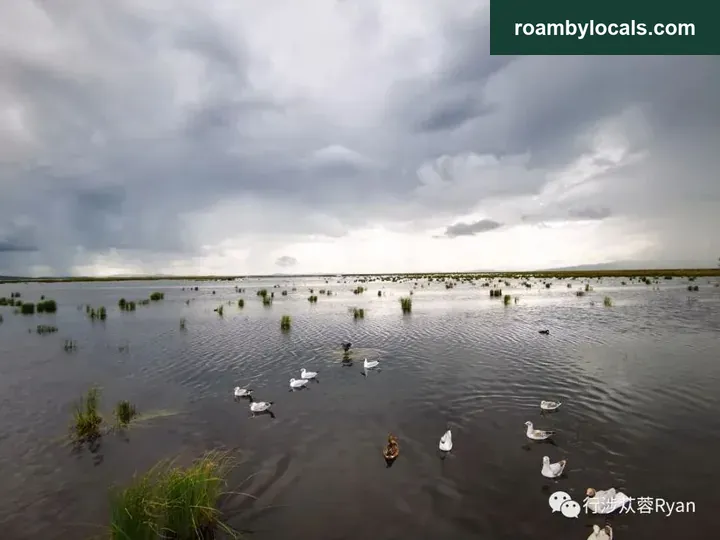
In northwestern Ruoergai County, Flower Lake is a national alpine-wetland biodiversity conservation area, called the ‘kidney of the earth’, ‘China’s most beautiful wetland’ and ‘a place where immortals live’. Its name refers to the many colours the lake displays as seasons change.
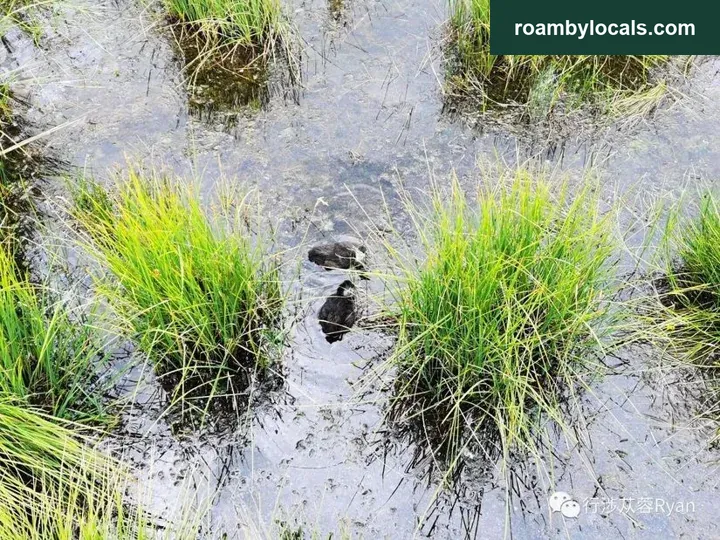
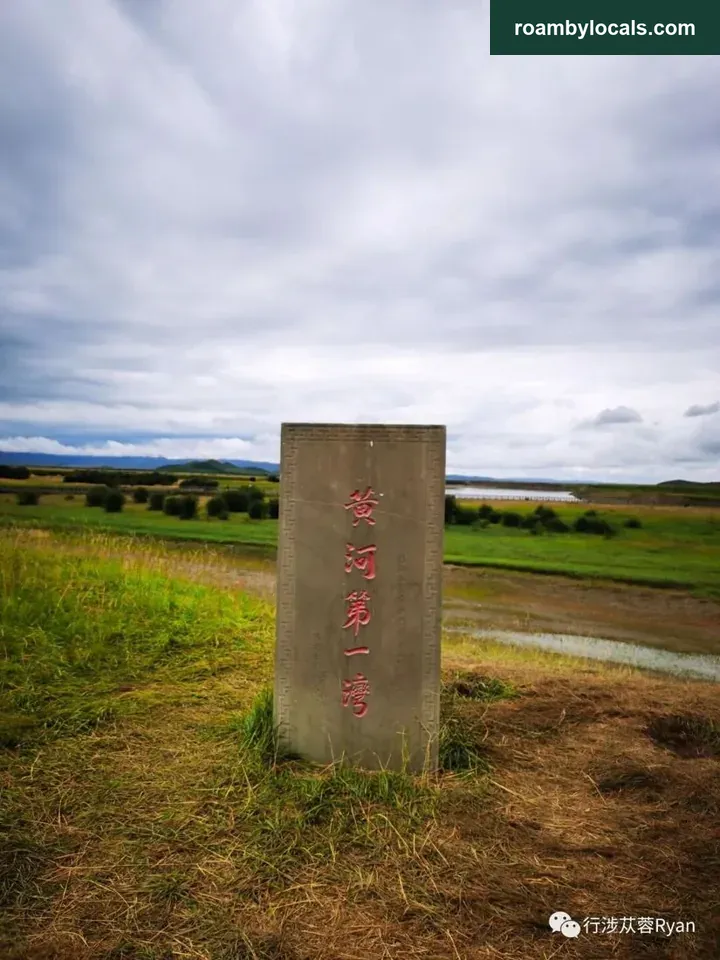
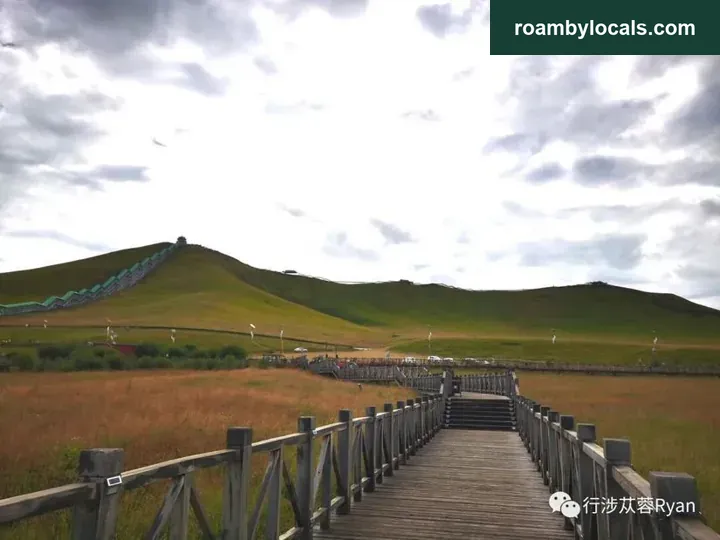
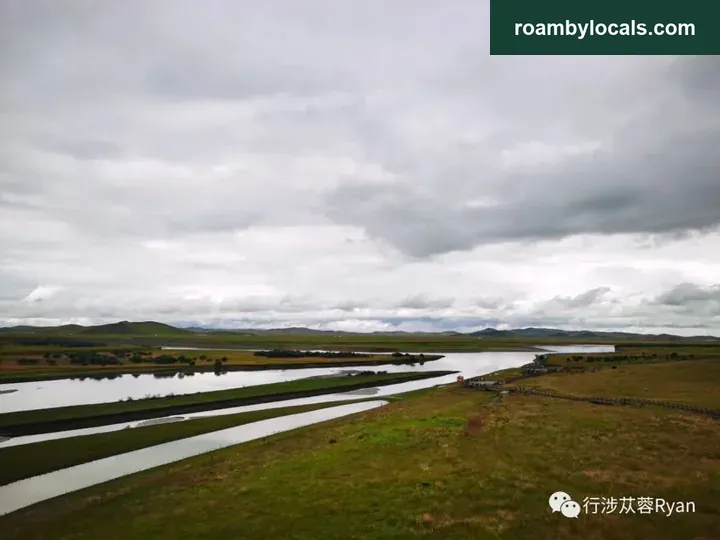
4.3. First Bend of the Yellow River
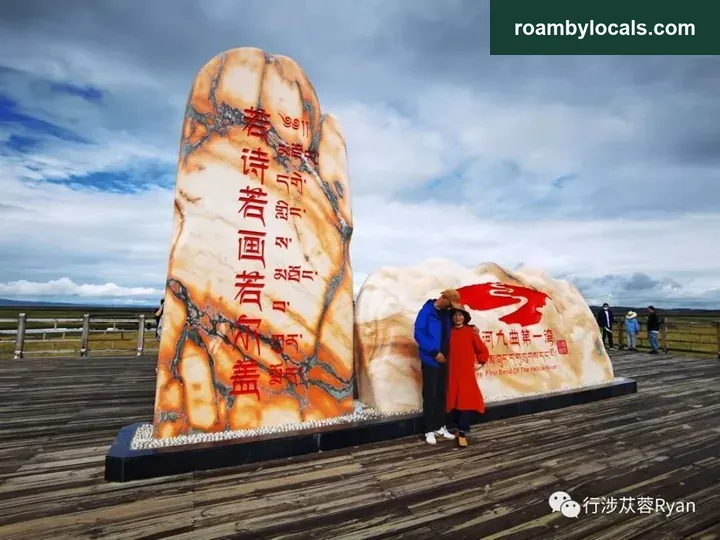
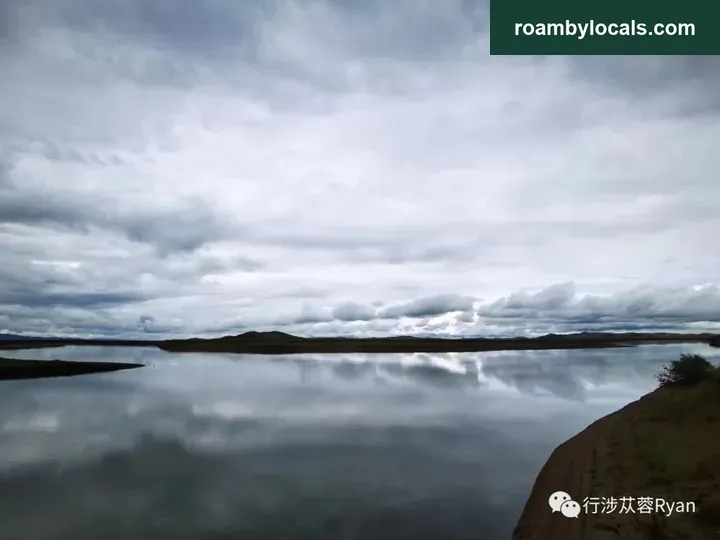
At around 3600 metres, the Yellow River and its tributary, the Baihe, meet and turn here, drawing beautiful geometric lines. From above, the river looks like a long dragon dancing across the grassland. At sunset, the last light sparkles on its bends: romantic, dreamlike and astonishing.
Dagu Glacier
05. Dagu Glacier
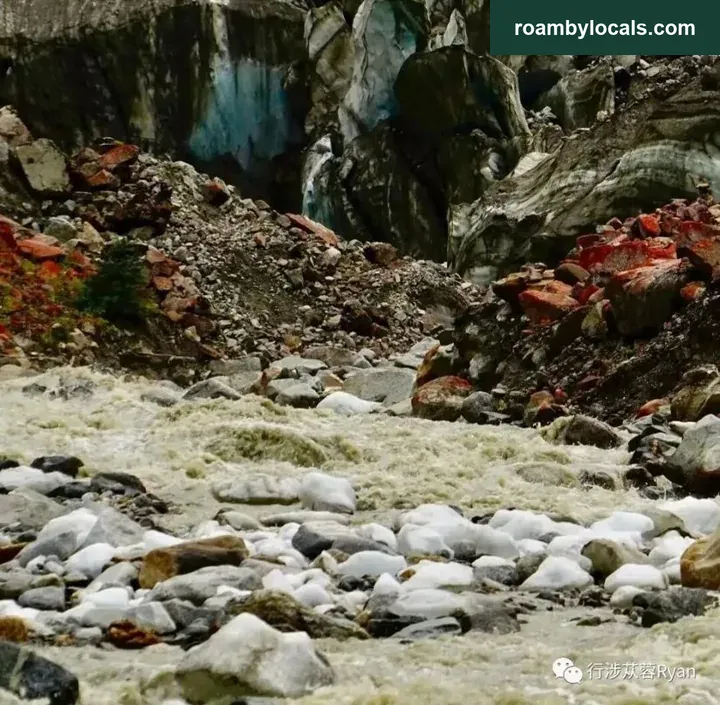
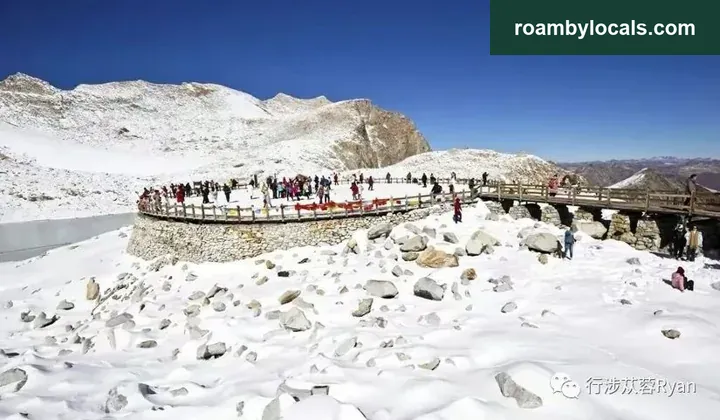
Glaciers form when years of accumulated snow are compacted, recrystallised and refrozen. These long-lasting natural bodies of ice on mountain surfaces move along the ground. They have shape, layers and plasticity, flowing and sliding in blocks under gravity and pressure. They are also important freshwater resources.
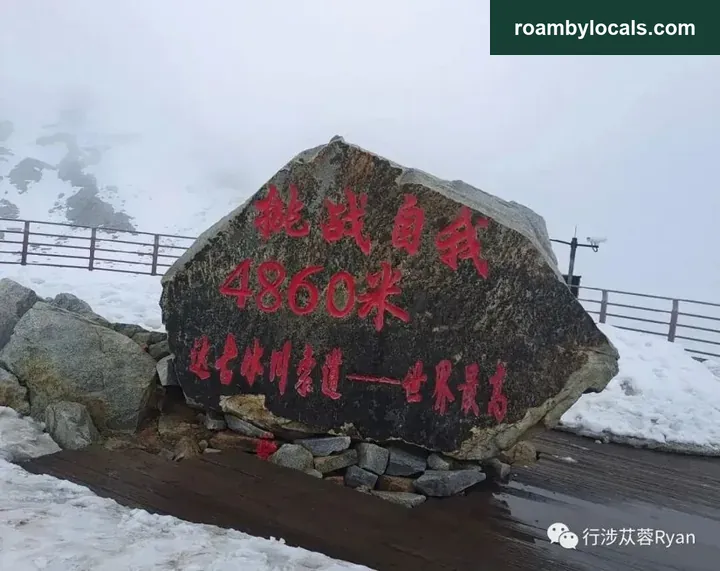
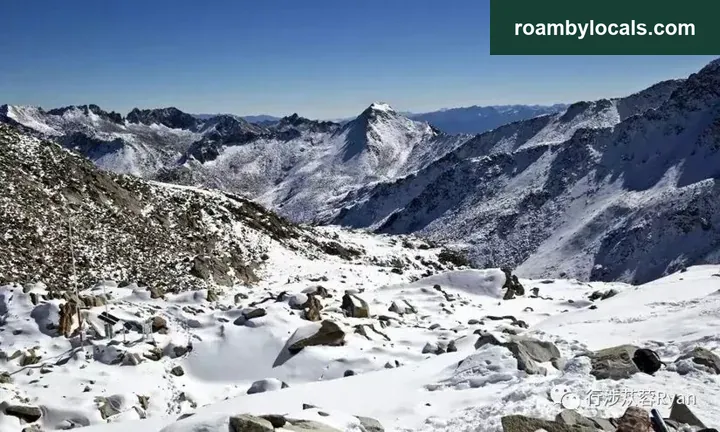
Dagu Glacier lies between 3800 and 5100 metres. Its sacred-looking snowy mountains are visible from far away and remain snow-covered all year. Glaciers 1, 2 and 3 have been opened to visitors. They are over a hundred million years old and are the heart of the scenic area. Although it is a snow mountain, it also has waterfalls and forest, birdsong and flowers, like a paradise on earth.
Dagu is a rare modern mountain glacier. For centuries it remained unknown, like a young woman secluded in her chamber, until satellites discovered the snow-covered glacier hidden among the mountains in 1992. Scientists’ field investigations found it to be the world’s lowest, largest and youngest glacier, and the closest to a city.
Miyaluo’s autumn colours
06. Miyaluo
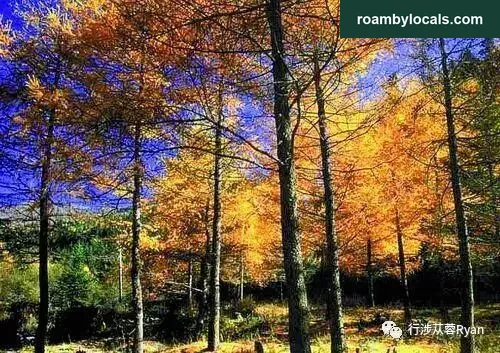
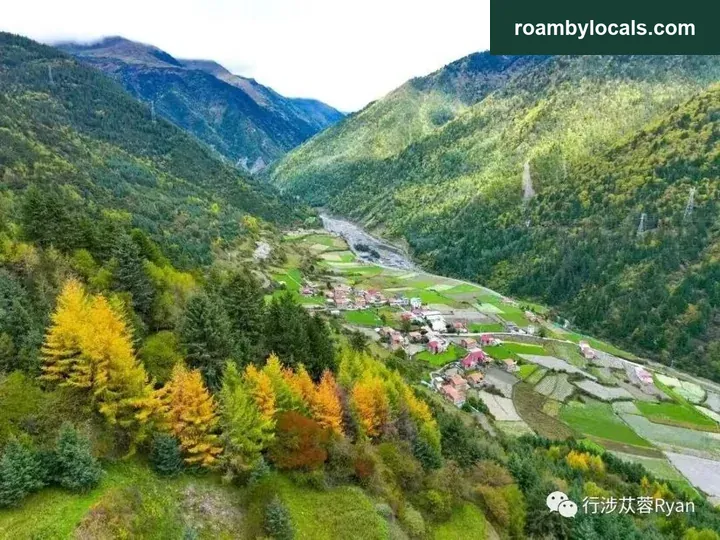
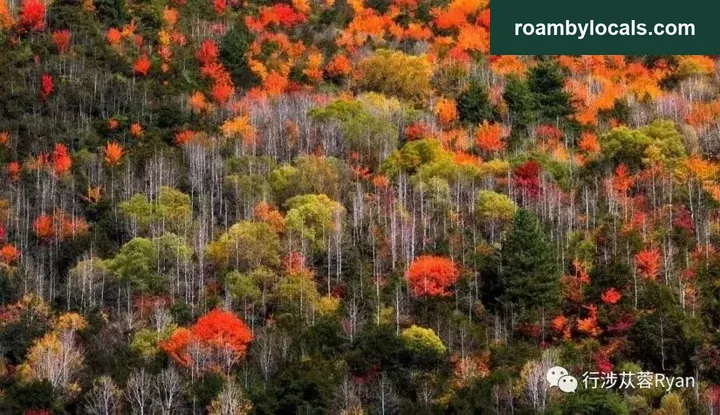
‘Miyaluo’ is Tibetan for ‘a pleasant place to play’, in the Zagunao valley, a tributary of the Min River. ‘Zagunao’ is also Tibetan, meaning ‘auspicious’. Mountains and rivers fill the scenic area. When autumn winds begin, maples, birches, the trees called ezhangsong and larches in the dense woods on both sides of the valley gradually turn with the frost, their leaves brilliant red and gold. Mountains blaze with colour: 3000 square kilometres of red leaves bloom like spring flowers, red waves and golden streams. Three thousand li of leaves adorn three thousand li of landscape, a magnificent sight.
The scenic area runs 127 kilometres east to west. One of the largest red-leaf scenic areas discovered and opened in China, it is also called the ‘kingdom of maple leaves’.
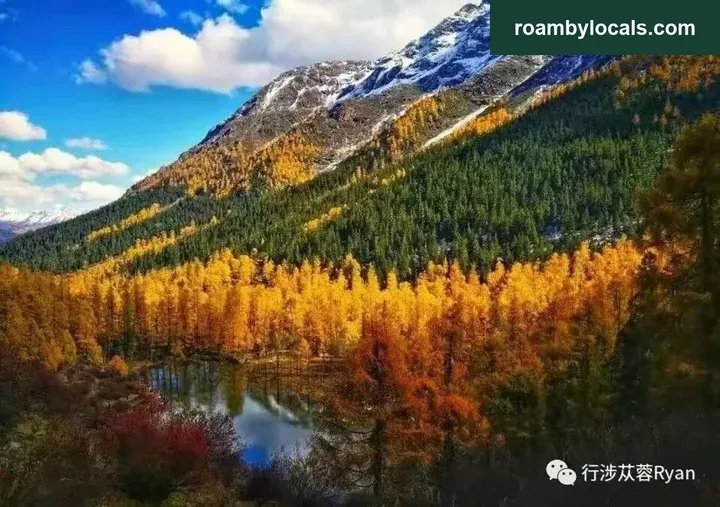
Taking in these vast, magnificent highlands, driving across boundless grassland, the rolling wheels of Chinese civilisation move forward, while we linger and savour each stretch…
(Author: 浙川形影不离)